Civil society organisations and education officials have raised concerns over widening gaps in the implementation of Kenya’s inclusive education policies.
They warned that thousands of children with disabilities continue to be locked out of learning opportunities due to inadequate infrastructure, scarce assistive devices, and persistent community stigma.
The education stakeholders, therefore, called on both national and county governments to move beyond policy pronouncements and translate commitments into tangible investments in infrastructure, assistive devices, therapy support, and community awareness programmes.
Speaking during the 16th annual civil society conference on inclusive education in Mombasa, stakeholders drawn from Mombasa and Tana River counties identified a disconnect between existing government policy and on-the-ground reality, calling for urgent corrective action to ensure that children with special needs access quality education alongside their peers.
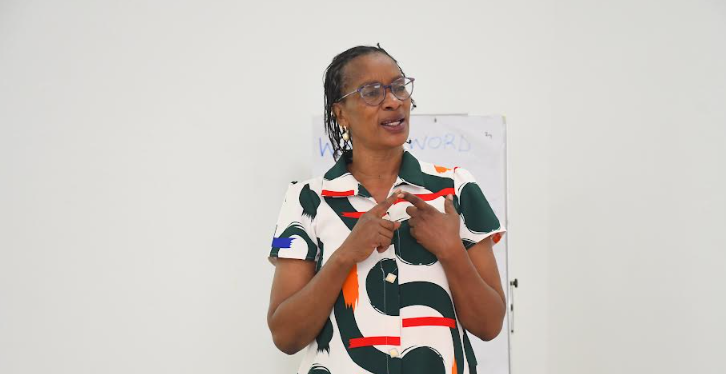
Catherine Wambiri, Director of the Educational Assessment and Resource Centre (EARC) in Mombasa, said her organisation was operating without an office and was currently hosted at Tom Mboya School for Children with Cerebral Palsy, a situation she described as symptomatic of broader systemic neglect.
“Most of the challenges that learners face with special needs are schools. We need to increase the number of special needs schools in our county and even in the counties surrounding Mombasa because most of the learners cannot access the schools due to distance and transport,” Wambiri said.
She noted that while some schools had received donated buses, the vehicles were frequently grounded due to lack of fuel, insurance, and maintenance, leaving learners stranded at home.
The absence of mobility and other assistive devices compounded the problem, with most devices priced beyond the reach of ordinary families.
Wambiri also called for a concerted push to register children with disabilities under the National Council for Persons with Disabilities, which would unlock access to critical services including therapy.
“Therapy is quite expensive, and most of the learners’ families are not well off enough to afford the services of a therapist, although the learners need the services very much,” she said.
On his part, Rashid James, secretary general of NGOs in Tana River County, acknowledged that the government had put in place sound policies but implementation remained the central challenge.
“We have therefore decided to take a different approach: to follow up on the implementation of those existing laws and policies in this country so as to ensure that education becomes genuinely inclusive,” James said.
He regretted the absence of reliable data on children with disabilities as a critical obstacle, noting that without accurate figures, planning and resource allocation at the grassroots level remained largely guesswork.
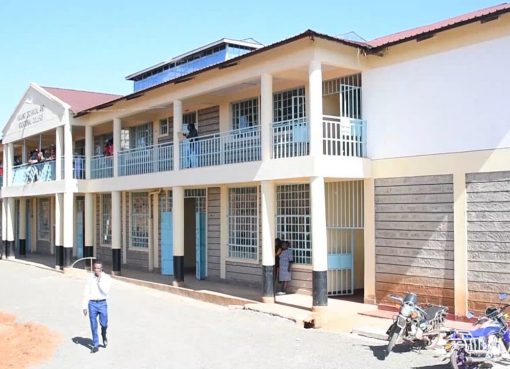
Enek Salma of the Philippine Apostle Fellowship in Kenya, which runs an inclusive education project in Tana River County, singled out poor classroom infrastructure and inadequate sanitation facilities as immediate barriers, urging the government to construct disability-friendly facilities in public schools.
Salma added that stigma among parents remained a deeply entrenched obstacle, with many families reluctant to enroll children with disabilities in either mainstream or special schools.
Her organisation, she said, had responded by establishing inclusive education clubs to foster acceptance among learners. “We continue to educate other children to embrace them with love and regard them as their friends at school,” Salma said.
By Ramadhan Nassib
.