The global access to safe blood collections increased by nearly 19 per cent between 2013 and 2023, reflecting progress in efforts to strengthen blood donation systems and improve patient care.
Data collected from 132 countries reveal that global blood collections increased by nearly 19 per cent over the same period, with voluntary unpaid donations accounting for more than 85 per cent of the estimated 120 million blood donations received in 2023.
The new data released by the World Health Organization (WHO) reflects progress in efforts to strengthen blood donation systems and improve patient care.
However, the WHO warns that major disparities in access to safe blood and blood products persist, particularly in low-income countries, where shortages continue to put lives at risk.
The most affected patients include women experiencing severe bleeding during childbirth, children with severe anemia, trauma and burn victims, surgical patients, and people living with conditions such as sickle-cell disease, hemophilia, and certain cancers.
WHO Director-General Dr. Tedros Adhanom Ghebreyesus says that voluntary unpaid donors remain the cornerstone of safe and sustainable blood supplies worldwide.
“No one should die because safe blood is unavailable when it is needed,” he added
The report further indicates that although high-income countries account for only 15 per cent of the world’s population, they collect 36 per cent of all blood donations globally.
Blood donation rates range from 0.4 to 53 donations per 1,000 people, with 24 countries reporting fewer than five donations per 1,000 population.
WHO has also highlighted weaknesses in governance, regulation, and financing of blood services, saying that nearly one-third of countries lack specific legislation governing blood safety and quality, while only 64 per cent have regular inspection systems for blood services and just 40 per cent reportedly have accredited blood transfusion services.
Sustainable financing remains a challenge, with more than one in seven countries reporting neither dedicated government funding nor cost-recovery mechanisms for blood services.
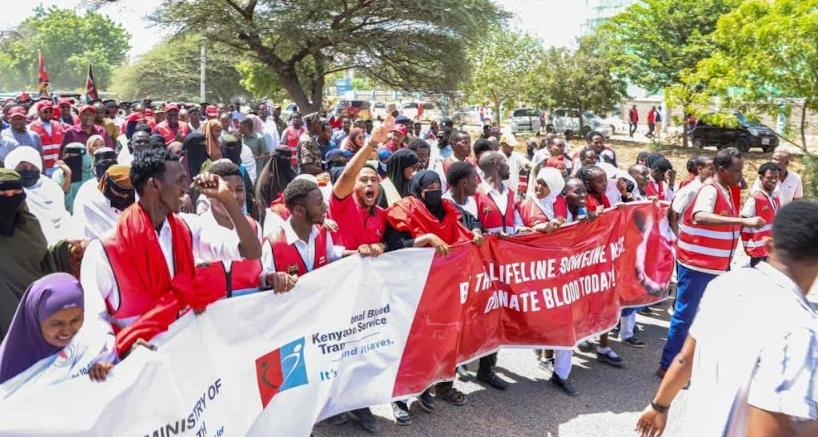
On the World Blood Donor Day marked annually on June 14, WHO has called on governments and partners to strengthen blood service governance, increase funding, improve quality assurance, and expand access to safe blood and blood products.
This year’s World Blood Donor Day campaign was themed “One Drop of Humanity. Give Blood. Save Lives,” recognizing the contribution of voluntary unpaid blood donors in saving lives and strengthening health systems.
For the case of Kenya, an annual deficit of about 200,000 units of blood is still wide, collecting roughly 62 per cent of the 550,000 units it requires.
Kenya’s voluntary donation rate remains at 4 to 6 per 1,000 people, falling short of the WHO-recommended standard of 15 per 1,000 people.
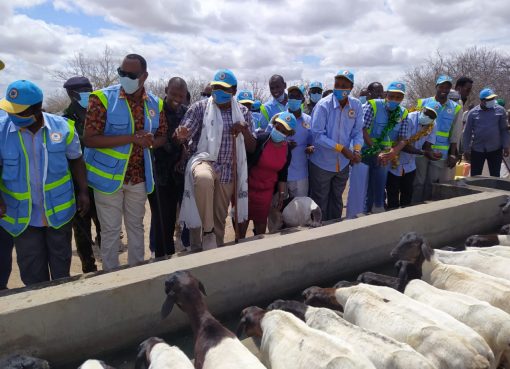
This year’s commemoration of World Blood Donor Day was held in Garissa County, and the health Cabinet Secretary Aden Duale, said the government is strengthening blood services, maternal and newborn health, and healthcare access through initiatives such as Every Woman Every Newborn Everywhere (EWENE) and the Rapid Results Initiative.
The commemoration culminated in a two-day medical camp offering screening services for major health conditions that also saw the donation of 350 pints of blood.
By Wangari Ndirangu