Kwale County is steadily positioning itself as a centre of socio-economic transformation through strategic investments in sports, education and agriculture, with county leaders banking on a youthful population and abundant natural resources to drive sustainable development.
Situated along Kenya’s southern coastline, the county borders Mombasa and Kilifi counties to the north, Taita Taveta County to the west, Tanzania to the south and the Indian Ocean to the east. According to the 2019 Kenya Population and Housing Census, Kwale has a population of 866,820, with nearly 80 per cent aged below 35 years.
County officials say the youthful demographic presents an opportunity for economic growth through increased investment in education, skills development and job creation.
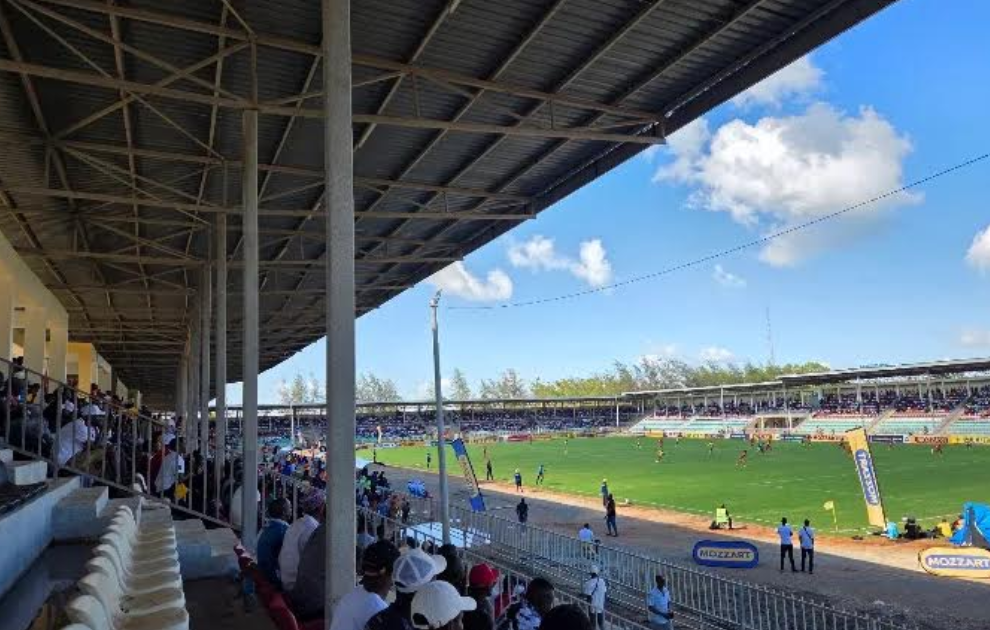
One of the county’s landmark projects is the FIFA-standard Kwale Stadium, the first facility of its kind at the Coast. Constructed through a partnership between the national and county governments, the stadium was officially commissioned by President William Ruto during the 2024 Mashujaa Day celebrations.
The 13,000-seater facility has since hosted Kenya Premier League matches and the 2026 Mozzart Bet Cup, attracting clubs including Bandari FC, Ulinzi Stars and Tusker FC, and enhancing Kwale’s profile as an emerging sports destination.
Governor Fatuma Achani said the County is leveraging sports as a tool for economic empowerment and talent development.
“Our objective is to nurture local talent, while positioning Kwale as a sports tourism destination capable of hosting national and international events,” she said.
In addition to the flagship stadium, the county government is constructing 24 community sports grounds across its sub-counties to provide recreational facilities and identify talent at the grassroots level.
Kwale United Head Coach, Hamisi Masusa, said the Stadium has inspired many young people to pursue professional careers in sports.
“The facility has opened opportunities for local players to watch and compete at higher levels without leaving the county,” he said.
Education remains a central pillar of the county’s development agenda through the ‘Elimu ni Sasa programme,’ which has supported thousands of learners through bursaries and scholarships.
County records indicate that more than 30,000 secondary school students and over 10,000 university students have benefited from the programme since its inception.
To widen access, the County recently increased its annual bursary allocation from Sh400 million to Sh500 million.
Investment in Early Childhood Development Education (ECDE), has also expanded, with more than 500 classrooms constructed and over 900 teachers employed on permanent and pensionable terms.
The County has further established 43 Vocational Training Centres staffed by 134 instructors to equip youth with technical and vocational skills aligned with labour market demands.
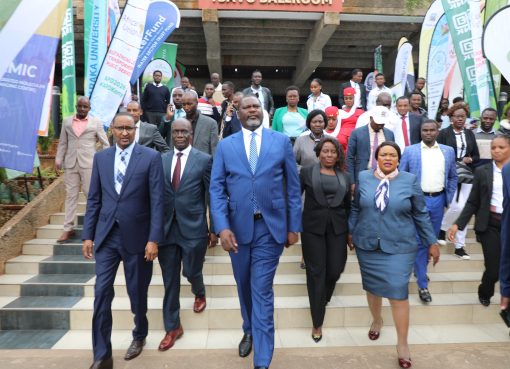
Speaking during this year’s Madaraka Day celebrations, Kwale County Commissioner, David Rotich, underscored the role of education in national development.
“Education remains the strongest foundation for national development. By equipping young people with knowledge and practical skills, we prepare them to contribute meaningfully to Kenya’s economic transformation,” he said.
Beneficiaries of County bursaries say the programme has enabled them to pursue higher education despite financial constraints.
Mitchelle, a university student from Matuga, said County support had enabled her to remain in school.
“The bursary gave me hope when my family could not afford tuition fees. It has allowed me to continue pursuing my dream of graduating,” she said.
Agriculture, a key economic activity in the County, is also receiving increased support through programmes aimed at improving food security and household incomes.
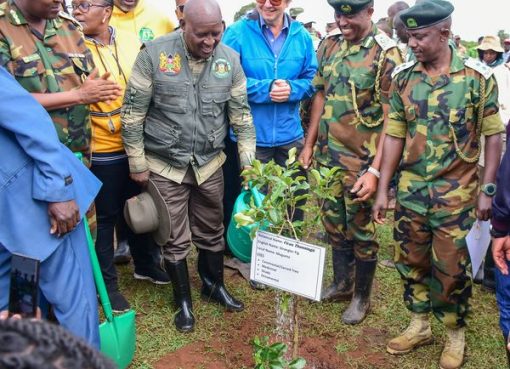
Recently, Governor Achani, presided over the distribution of 33,000 assorted fruit seedlings worth Sh12.8 million, to more than 5,000 farmers across the County.
The seedlings, comprising mangoes, citrus fruits, coconuts and cashew nuts, are expected to boost production of high-value crops suited to Kwale’s climatic conditions.
“The programme is intended to improve household incomes and strengthen food security by promoting high-value agriculture across the county,” said Achani.
Farmers have welcomed the initiative, noting that access to quality planting materials remains a major challenge for smallholder producers.
Hassan Mwangia, a farmer from Kinango, said the seedlings would help farmers increase productivity and diversify their income sources.
“Quality seedlings are often beyond the reach of many small-scale farmers. This intervention gives us an opportunity to improve our harvests and livelihoods,” he said.
Beyond agriculture, Kwale continues to benefit from her tourism industry, mineral resources and strategic location along the Indian Ocean, factors that leaders believe will further accelerate economic growth.
As investments in sports, education and agriculture continue to take shape, Kwale is increasingly emerging as one of Kenya’s fastest-growing counties at the Coast. Although challenges such as youth unemployment and climate change persist, county leaders remain optimistic that sustained investment in people and productive sectors will accelerate inclusive and sustainable development.
By Evelyn Njaramba