Kamariny Ward in Keiyo North Sub-County plans to establish a cultural centre to preserve and promote the community’s heritage amid concerns over the gradual disappearance of traditional practices and indigenous knowledge.
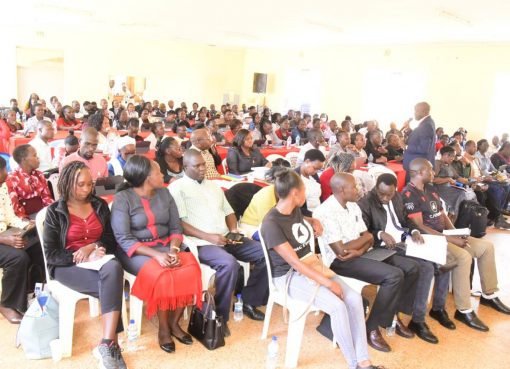
The proposed centre was announced by Kamariny Ward MCA Benjamin Cheptiony during the Kamariny Ward Cultural Day celebrations held at Chebonet Secondary School, bringing together traditional dancers, elders and residents from all nine sub-locations.
Cheptiony said the facility would provide a secure repository for ancestral artefacts and create a platform where younger generations could learn about the history, traditions and cultural practices of the Keiyo community.
“The centre will serve as a vital community platform not only to showcase vanishing history but to secure a dedicated, secure repository where these invaluable recovered artifacts can be permanently stored and protected from being forgotten,” he said.
The MCA said the cultural centre would help bridge the growing generational gap by ensuring traditional knowledge is documented and passed on to younger generations.
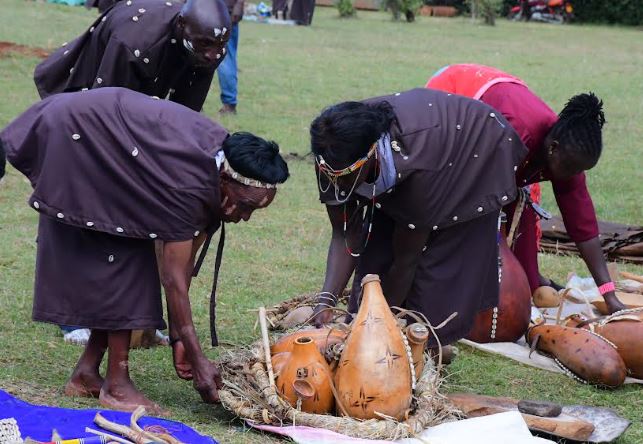
The cultural celebrations featured exhibitions of ancestral artefacts, traditional music, folk songs and demonstrations of practices that sustained local communities before the advent of modern technology.
Elders demonstrated traditional tools and equipment once used to grind flour manually, offering younger participants an insight into food-processing methods that existed before commercial posho mills became widespread.
The event also showcased indigenous food preservation techniques that enabled communities to keep food fresh without electricity or modern refrigeration equipment.
Participants displayed a range of agricultural implements, domestic cooking utensils and other artefacts that were traditionally used in farming and household activities.
Traditional dancers from different parts of the ward performed folk songs associated with social ceremonies, seasonal events and other important occasions in the community’s history.
Cheptiony said such activities were particularly important at a time when rapid digitisation and globalization were influencing lifestyles and threatening indigenous practices.
He said culture was more than a reflection of the past, describing it as a repository of historical knowledge, survival strategies and communal values that could help younger generations understand their identity.
“Without deliberate preservation efforts, local traditions face total erasure,” he said.
The MCA noted that some traditional practices, particularly indigenous food preservation and agricultural methods, contained valuable ecological knowledge that could remain relevant in addressing contemporary environmental and climate challenges.
He said preserving such knowledge would enable younger generations to compare traditional systems with modern innovations and understand how communities adapted to their environment.
Cheptiony also linked cultural preservation to social cohesion, saying cultural gatherings provide opportunities for communities to celebrate their shared heritage, strengthen social bonds and promote peaceful coexistence.
He announced that the cultural day would be institutionalised and held annually to maintain momentum in the preservation of the community’s heritage.
He called on young people to take an active role in documenting and promoting their culture, saying they would ultimately become its custodians.
The MCA cited the participation of students from Kipsoen National Polytechnic in the previous edition as an example of how young people could contribute to cultural preservation.
He challenged the youth to incorporate contemporary tools, technology and art forms into future cultural events to document present-day lifestyles for future generations.
“You can also bring forth your modern tools and art forms in future events to document how today’s contemporary lifestyle will also inevitably evolve and be replaced in a fast-changing world,” he said.
Music teacher Duncan Kimaiyo, who served on the panel of adjudicators evaluating the folk songs, praised the performers for demonstrating high artistic standards despite limited exposure to formal training by mainstream experts.
Kimaiyo, however, urged organisers to involve education experts and teachers more systematically in future editions to provide structured coaching on stage presentation, vocal arrangement and other performance skills.
He said such support would help preserve the authenticity of traditional performances while enabling participating groups to compete effectively at national level.
By Alice Wanjiru