After a three-day waste segregation training, Kitale Municipality officials have now declared a total focus on implementation.
The training supported by the Kenya Extended Producer Responsibility Organization (KEPRO) ended with Kitale Municipal Manager Irene Nangole calling for immediate, sustainable waste management action.
“This training came at the right time. Kitale can no longer afford a business-as-usual approach. We are adopting new strategies, and waste segregation is non-negotiable,” she added.
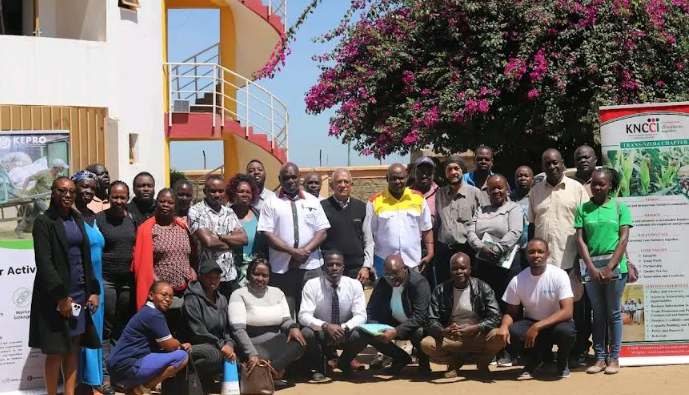
Nangole hailed KEPRO for bringing the waste pickers at the county dump site, municipal technical staff, street cleaning officers, waste-related CBOs, private collectors, aggregators, and Kenya National Chamber of Commerce International (KNCCI) representatives who are all key players in waste management on one table.
To support the course, participants received Personal Protective Equipment- gloves, reflectors, overalls, T-shirts, and caps.
As she challenged partners like KNCCI to move beyond workshops and create real market linkages for recyclables, Nangole warned that gear alone won’t fix Kitale’s dumpsites.
“Our aim is to strengthen waste management practices, promote segregation and recycling, and enhance collaboration among stakeholders to advance a circular economy in Kitale Municipality,” she said.
On her part, Kitale Municipality Environmental Officer Diana Modani noted, “Segregate at source or we’ll keep drowning in waste. Most urban waste can be recycled. The organic fraction can become manure for farmers. If households separate waste at the point of generation, we’ll cut the thousands of tonnes collected daily,” she explained.
She added that hosting KEPRO reinforced Kitale’s commitment to a circular economy—where waste becomes a resource, not a liability.
Meanwhile, Trans Nzoia County Secretary Truphosa Amere applauded the initiative, stating that it will rejuvenate efforts by staff and stakeholders to ensure Kitale Town is clean, adding that waste segregation at the point of generation is the way to go.
Amere explained that separating waste into organic, recyclable, hazardous, and general categories reduces contamination, improves recycling efficiency, minimizes health risks, lowers landfill use, and promotes a circular economy.
“Other municipalities have embraced this practice and are already achieving much. We must follow suit,” she rallied.
County Executive Committee Member for Lands, Physical Planning, Housing and Urban Development Pius Gumo echoed the sentiments, saying that with the training, stakeholders now understand the importance of proper waste management.
By Isaiah Nayika