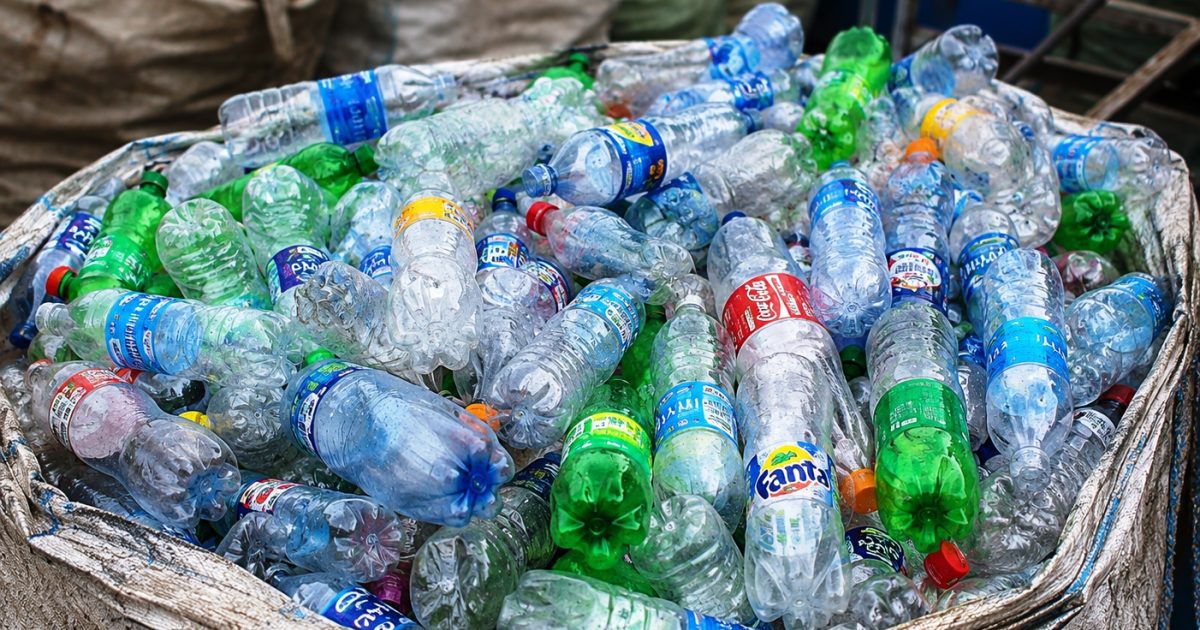
Very early in the morning, before the first matatu ferry passengers to various destinations and before the sun casts its golden glow over Lake Victoria, Clinton Owino, a Kisumu resident is already weaving through the silent streets of Kisumu. With a sack slung over his shoulder and determination etched on his face, he scans the pavements for discarded plastic bottles, cardboard boxes, and crumpled office papers.
To most people, the litter scattered across Kisumu city, currently touted as the cleanest in Kenya is nothing more than waste but to Owino, it is a golden opportunity, a hidden resource that has helped him escape poverty and steer other young people away from crime.
In a city where unemployment continues to push many young people into desperation, Owino has built an unlikely enterprise from society’s throwaways. His recycling venture not only earns him a living but also offers hope to dozens of youths searching for a dignified way to survive. “We do not want to remain idle; it can easily push youth into crimes such as stealing,” says Owino.
What began as a personal struggle for survival has grown into a thriving recycling business. Rather than collecting waste alone, Owino now buys recyclable materials from independent collectors across Kisumu.
At his collection point, heaps of plastic, cardboard, and paper are carefully sorted, graded, and prepared for sale to larger recycling companies. The business has proven surprisingly profitable.
“We buy from other collectors, then later sort it .When we sell, buyers take it at Sh. 30 per kilogram. On good days, we fill an entire lorry carrying up to seven tonnes,” Owino explains.
On particularly successful days, especially when large quantities of white office paper are available, the venture generates up to Sh10,000 profit — a remarkable return from materials many people consider worthless.

For Owino, however, the business is about much more than money. He believes waste collection can help address one of the city’s most pressing challenges: environmental conservation, youth unemployment and crime.
Through his involvement with Mtaka, a local initiative that connects young people to recycling opportunities, many unemployed youths are finding a source of income that keeps them occupied and away from criminal activities.
Every sack of recyclables delivered to his collection centre tells a story of resilience and transformation. It represents a young person choosing honest work over crime and a community becoming safer as a result. “Instead of stealing, youth can earn something small and support themselves,” says Owino. However, despite its benefits, recycling remains one of the toughest informal jobs in the city. Without adequate protective gear such as gloves, boots, and overalls, waste collectors face numerous risks every day, including broken glass, sharp metal objects, and poisonous products hidden among piles of rubbish.
“Sometimes you are injured by a piece of glass or metal while working, but we still have to continue because this is our source of livelihood,” Owino adds.
Weather also presents another major challenge. Heavy rains can destroy stockpiles of paper and cardboard, rendering them unsellable. Without proper storage facilities or permanent shelters, collectors often watch helplessly as valuable materials become soaked and lose their market value.
Competition within the recycling industry is equally fierce. Missing even a single day of work can mean losing suppliers and customers to rival collectors.
For decades, waste picking has carried a social stigma across many African cities. It has often been viewed as work reserved for society’s poorest and most desperate members.
However, as more young people embrace recycling as a legitimate source of income, communities are beginning to appreciate its broader benefits. Cleaner neighbourhoods, reduced pollution, and lower crime rates are among the positive impacts being witnessed in Kisumu.
Environmental experts argue that with proper support—including designated sorting centres, financing, and adequate safety equipment—the informal recycling sector could become a powerful tool for tackling urban unemployment while improving environmental sustainability.
Standing besides towering stacks of sorted plastic and paper, Owino reflects on the journey that transformed his life. His message to unemployed youth is simple yet powerful.
“White-collar jobs are good, but young people should not be too selective when looking for work,” he says. “No job is too small if it puts food on the table and keeps you on the right path.”
Clinton Owino’s story confirms that opportunity can arise from the most unexpected sources. In the waste that others discard, he has found dignity, purpose, and a pathway to a better future. His journey shows that resilience, determination, and hard work can transform even society’s rubbish into a source of hope and lasting change.
According to data from the United Nations Environment Program (UNEP), Kenya generates roughly 22,000 Metric tonnes of garbage daily, with 40 per cent of it being generated by urban areas. But the good news is 60 to 80 per cent of this garbage is organic, meaning it can be useful to humanity if properly harnessed.
The remaining 20 per cent is inorganic, such as plastics which need to be recycled or destroyed in a proper way so as not to harm the environment. The capital, Nairobi, produces about 2,400 to 3,000 tonnes of waste daily and only half is collected by the formal entities.
Mombasa city generates up to 700 metric tonnes daily with only 56 per cent being collected. Kisumu, the third largest city in the country churns out 338 to 600 metric tonnes of garbage every day with only 40 per cent being collected by formal entities.
In August 2017, Kenya officially banned manufacture, import, and use of all plastic carrier bags, a move that was hailed globally. All single-use plastic carrier bags used for both commercial and household packaging were banned but the move was later expanded to include prohibition of the use of plastic bags for organic waste disposal in public markets and places.
By Mabel Keya – Shikuku and Mary Aoro