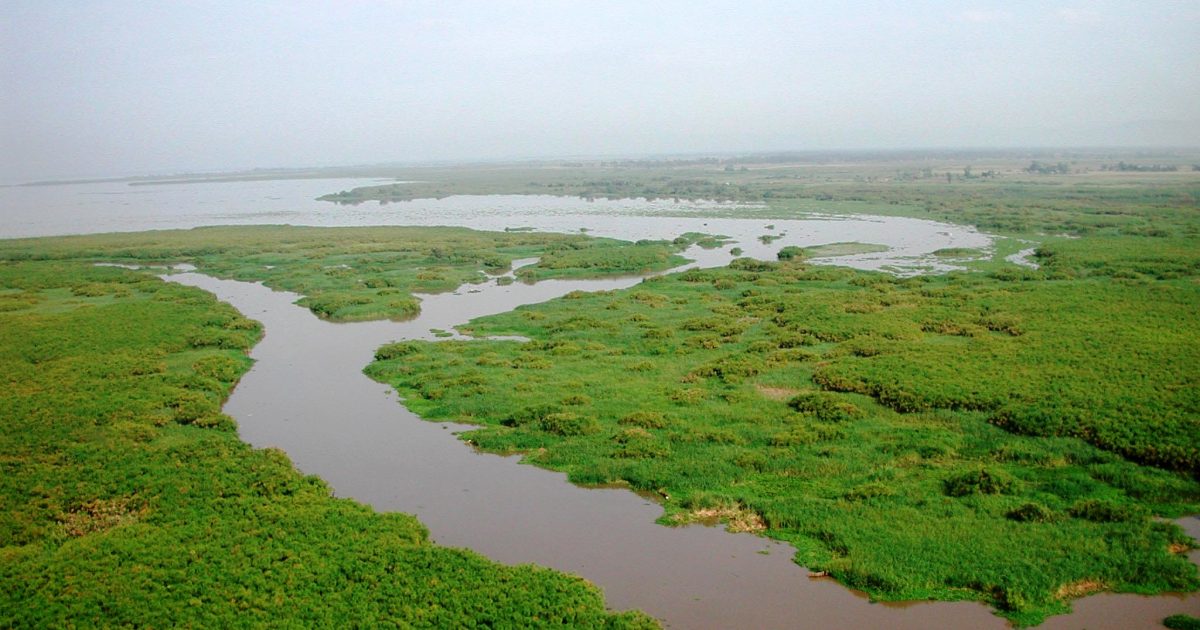
When you look at the Kano Plains from the window of a speeding matatu on the Kisumu-Nairobi highway, you see an economic miracle draped in lush green.
This is Ahero, the undisputed rice basket of Western Kenya, where water from the River Nyando is guided through miles of canals to flood massive square paddies of rice.
Less than a kilometre from the main township of Ahero, the newly commissioned Sh30 million Ahero Rice Mill buzzes with life.
Commissioned in November 2025 by Kisumu Governor Prof. Peter Anyang’ Nyong’o, the machine processes 2.5 metric tonnes of rice per hour. But this is a story for another day.
It comprises massive mechanical sorters processing thousands of tonnes of the high-yielding Komboka rice variety. This new, climate-resilient crop has shorter, sturdier stalks that resist falling over a major upgrade from the old, fragile Sindano variety.
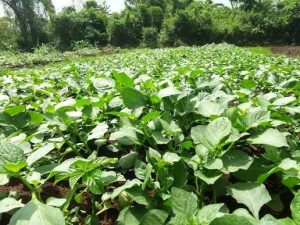
Stepping off the tarmac, as you can sink your feet into the black cotton soil and muddy water, you discover a flourishing vegetable field manned by women and feeding hundreds of families in the area and beyond.
For generations, cultural customs in this area, just like many other communities in Kenya and beyond, have dictated that while women work the farms, the rice paddies in this case, the land belongs entirely to the men and that includes the money from these parcels of land.
According to data from the Ministry of Lands, fewer than three percent like of rural women in these agricultural zones hold the official title deeds to the land they cultivate.
In Ahero rice fields for instance, women do all the work, but when the seasonal payout from the National Irrigation Authority (NIA) or the new multi-million shilling mill arrives, it goes straight into a bank or mobile wallet registered under the husband’s name.
“The money vanishes before the rice dust even settles on our clothes,” says 42-year-old Irene Oloo.
“The modern Komboka seeds give a massive yield, and the new automated mill processes it within minutes. But my husband sees that cash as his reward for owning the earth. Last year, our entire family harvest payout went into buying a secondhand motorbike for a transport business I have no control over. My children were sent home from school the following Monday for lack of fees,” she remarks.
Faced with this system, Irene decided she would no longer build her life on a foundation she did not own. Instead of fighting a losing battle over the rice profits, she looked outside the borders of the formal irrigation scheme.
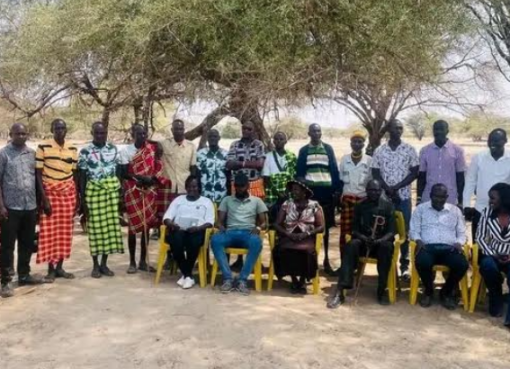
She gathered 19 other women from her village, who were tired of begging for money to buy basic household goods, and together they formed the Jasho Letu (Our Sweat) self-help group. Their survival strategy is built on an old, communal philosophy: kazi ya ujamaa (collective, pooled labour) for community survival.
Rather than trying to buy land, which is culturally forbidden for them, the women pool their small individual savings to collectively lease half-acre fractions of dry, uncultivated land located just outside the formal boundaries of the government-run rice canals.
On this borrowed land, the women have staged a quiet agricultural revolution. They cultivate fast-growing, indigenous traditional African vegetables like osuga (African nightshade), saga (Sider plant) and terere (amaranth leaves) among other traditional African vegetables.
This deliberate choice created a completely different economic reality on the plains. While the traditional Komboka and Sindano rice varieties bind the farmers to a slow, four-to-six-month wait before harvest, the women’s vegetable plots operate on a rapid 21 to 30 a day harvest period and earn these women more regular income.
Instead of waiting half a year for a single lump-sum payout that is automatically routed to a husband’s bank account, the Jasho Letu group enjoy a continuous, rolling stream of revenue that belongs entirely to them.
Every single coin from these frequent sales is deposited into a joint mobile money wallet completely controlled by the group’s female officials.
This alternative marketplace moves at a breathtaking pace compared to the slow, heavy rhythm of the rice paddies. At 5:00 AM every Tuesday and Friday, long before the sun rises over the Nandi Hills downstream, the Jasho Letu plot turns into a bustling open-air trading post.
Bare-footed women traders, locally known as mama karangas, arrive with empty crates on the backs of pickup trucks and boda bodas from Kibuye Market in Kisumu City, desperate to secure fresh, organic greens.
The financial independence this creates is immediate and real. On an average month, their half-acre vegetable plot generates upwards of Sh 45,000.
To withdraw a single shilling from their digital treasury, three separate officials must input their secret mobile confirmation codes. For the first time in their lives, these women have a financial pool which only they control.
Yet, this economic independence is constantly threatened by an aggressive, unpredictable climate. The Kano Plains sit in a low geographic bowl that receives the full force of flash floods whenever the River Nyando bursts its banks.
Currently, the national government is racing to construct a massive 50 kilometer flood control dyke project near Ahero Township to protect the multimillion-shilling investments inside the formal irrigation scheme. However, the leased vegetable plots of the Jasho Letu group sit right in the unprotected danger zone, completely exposed outside the old, crumbling earth barriers.
Every heavy downpour over the highlands turns their farming into a high-stakes gamble against nature. A single night of flooding can submerge their delicate vegetable beds under two feet of murky, stagnant water, wiping out their entire investment in seeds and organic manure.
Conversely, when the floods recede, the clay soil bakes into a concrete-hard crust, forcing the women to use a survival tactic they call kujikaza kisabuni, holding onto their goals as tightly as a slippery piece of soap.
When the irrigation canals run dry, they line up in long human chains, manually passing heavy plastic jerry cans of water from distant pools to keep their crops alive.
Total reliance on a single corporate crop like rice leaves an entire community vulnerable to market shifts, mechanical breakdown at the mill, and domestic friction. By diversifying into indigenous greens, these women have built an informal shock absorber that keeps their households stable when the main industry stumbles.
As the afternoon sun starts to scorch the plains, Irene Oloo stands at the edge of her green vegetable patch, looking across the canal at the towering chimneys of the new Ahero Rice Mill.
The machinery over there is louder, and the investments run into the millions, but the true economic transformation of the plains is happening right here in the mud under her feet.
By reclaiming their labour through borrowed land and traditional crops, the women of Ahero are doing far more than just paying school fees.
They are quietly rewriting the social contract of the lakeside region, proving that while tradition may decide who owns the deed to the soil, it’s the collective grit of mothers that determines that their children don’t go to bed hungry.
By Mabel Keya – Shikuku / Tonny Brian