The government has launched the National Agri-food Systems Investment Plan (NASIP) 2026–2030.
The ambitious Sh1.081 trillion blueprint is expected to transform agriculture, strengthen food security, create more than two million jobs, and unlock private investment across Kenya’s agri-food sector.
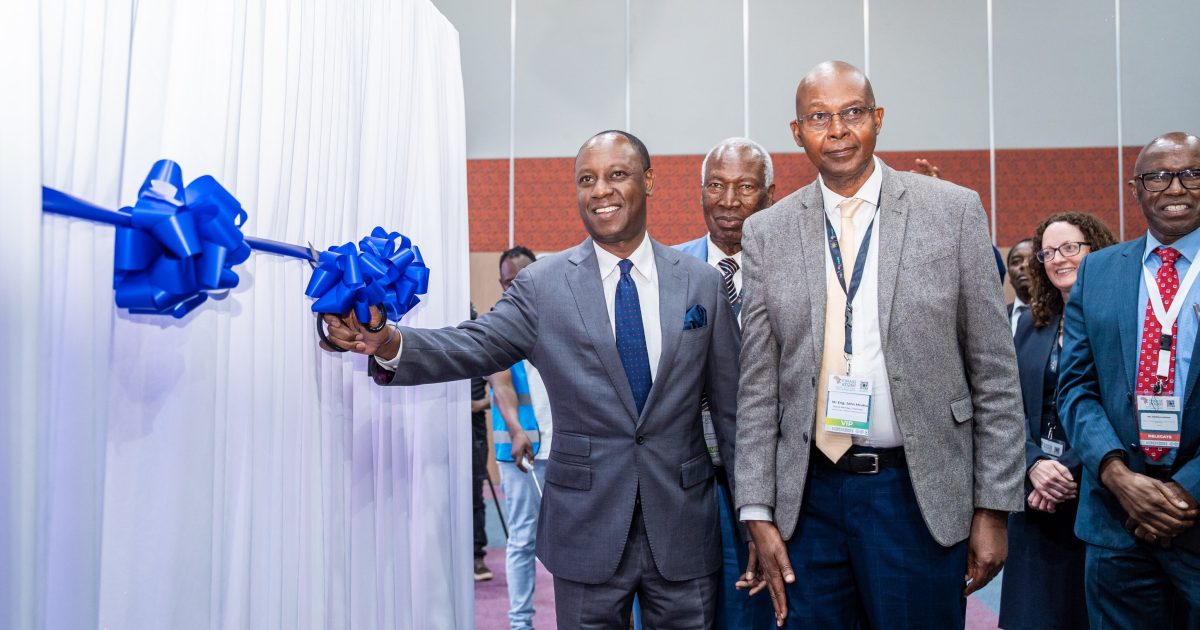
Speaking during the opening of the 2026 Financing Agrifood Systems Sustainably (FINAS) Summit at the Kenyatta International Convention Centre (KICC) in Nairobi, Agriculture and Livestock Development Cabinet Secretary Mutahi Kagwe said the plan signals a shift towards financing agriculture as a competitive and investable sector.
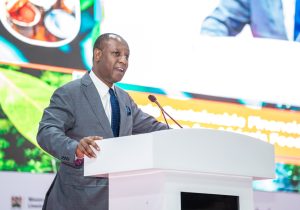
In a speech read on his behalf by Livestock Principal Secretary Jonathan Mueke, Kagwe said NASIP provides a fully costed investment framework covering crops, livestock, fisheries, irrigation, agro-industrialization, digital agriculture, climate resilience, research, innovation and agricultural finance.
The CS said the National Government and county governments will finance 35 per cent of the plan, while the private sector is expected to contribute 45 per cent, with development partners providing the remaining 20 per cent.
“NASIP is not simply about financing agriculture. It is about financing Kenya’s future by building resilient food systems, modernizing agricultural value chains, creating jobs, increasing farmer incomes and positioning Kenya as a regional hub for sustainable agri-food investment,” Kagwe said.
He said the investment plan builds on the recently launched AgriConnect Compact, which outlines Kenya’s commitments under the Comprehensive Africa Agriculture Development Programme (CAADP) Kampala Declaration.
Kagwe observed that although Africa holds nearly 60 per cent of the world’s remaining uncultivated arable land, the continent continues to import food because investment has failed to match its agricultural potential.
He said climate change, volatile global markets, rising food demand and limited access to affordable financing have exposed the need for a new financing model capable of supporting sustainable agricultural transformation.
Kagwe noted that smallholder farmers, pastoralists and agri-based micro, small and medium enterprises particularly those owned by women and youth continue to face difficulties accessing long-term capital due to production risks and tightening global financial conditions.
He called on governments, commercial banks, development finance institutions and private investors to work together to mobilise resources needed to transform Africa’s food systems.
He confirmed that Kenya has strengthened its policy and governance frameworks and identified viable investment opportunities across agricultural value chains, making the country ready to attract increased private investment.
Kagwe added that successful implementation of NASIP will depend on strong collaboration among government, development partners and the private sector.
Japan International Cooperation Agency (JICA) representative Takamori Satoyama said the agency supported the Government in developing NASIP through extensive consultations involving county governments, farmers, pastoralists, fisherfolk, women, youth and the private sector.
He said the plan incorporates lessons from implementing the Agricultural Sector Transformation and Growth Strategy (ASTGS) while addressing emerging challenges, including climate change, the COVID-19 pandemic and global conflicts that have disrupted food systems.
“The launch of NASIP marks the end of one journey and the beginning of another,” Satoyama said, expressing confidence that Kenya and its partners would successfully implement the investment plan.
Meanwhile, Germany announced an additional €31.2 million to support Kenya’s agricultural transformation following bilateral talks held in Berlin last week.
Head of Development Cooperation at the German Embassy, Maren Knelleer, said Germany has invested more than €215 million in Kenya’s agri-food sector, benefiting about 1.1 million farmers through programmes that improve productivity, create jobs for young people, expand irrigation and support agricultural reforms.
The new funding includes €3 million for agricultural value chains and private sector partnerships, €6.2 million to boost export readiness and trade, and €22 million for irrigation infrastructure in western Kenya.
“Partnership is increasingly shifting from traditional donor support to mobilizing private sector investment and public-private partnerships that promote jobs, value chain development and climate-resilient agriculture,” Knelleer said.
Ireland’s Ambassador to Kenya, Caitriona Ingoldsby, described the launch of NASIP as a major milestone in building resilient and sustainable food systems.
She reaffirmed Ireland’s commitment to supporting Kenya’s agricultural transformation, saying investments must be aligned with national priorities, informed by evidence and implemented through strong partnerships.
Ingoldsby said Ireland has committed Euro 250 million annually for four years to combat global hunger and malnutrition and will continue prioritizing food security during its presidency of the Council of the European Union.
She added that Ireland is supporting Kenya through the Ireland-Kenya Agri-Food Strategy, which promotes policy reforms, climate-smart agriculture and innovation, while investing €15 million over three years to address child wasting in the Kenya-Somalia-Ethiopia border region.
Finance Summit and Dialogue Director Charity Mutegi challenged African countries to rethink how agriculture is financed, noting that funding models have remained largely unchanged since independence despite limited progress.
She said this year’s FINAS Summit will focus on policy reforms, inclusive financing, de-risking investments and the use of data to improve agricultural financing.
Mutegi added that the dialogue is now moving beyond discussions to implementation, with the private sector expected to establish a working group on agricultural finance to strengthen collaboration with government, improve the investment climate and unlock financing for viable agribusiness ventures.
By Wangari Ndirangu