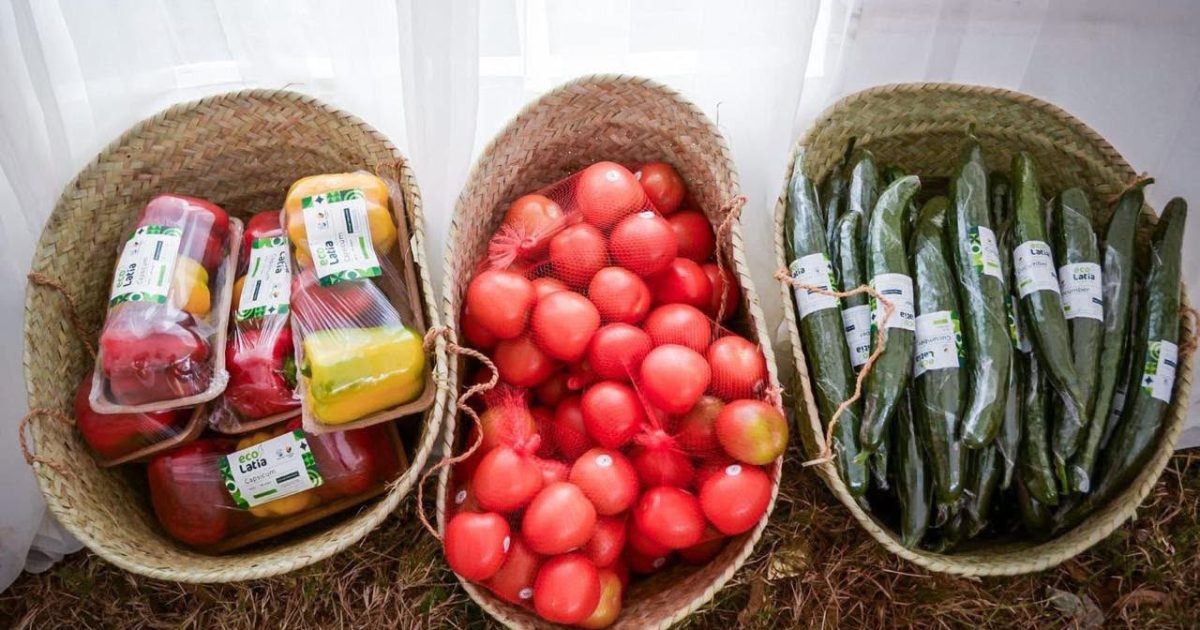
Kenyan smallholder farmers are set to benefit from a joint Kenya–Netherlands initiative aimed at improving food safety and connecting growers directly to premium domestic and international markets through sustainable horticulture.
The initiative, dubbed the GreenLinks Project, is a three-year programme jointly funded by the Dutch government through the Netherlands Enterprise Agency and private sector partners. It will support 300 small and medium-scale farmers in Kajiado, Kikuyu and Thika sub-counties to adopt safer production methods, reduce reliance on chemical pesticides and supply consumers with safe, traceable vegetables.
Implemented by Koppert Biological Systems, Holland Greentech, FutureWater, Latia Agribusiness Solutions and Greenspoon, the project combines Dutch agricultural innovations with local expertise to strengthen Kenya’s horticulture value chain.
Farmers will receive training in good agricultural practices (GAP), integrated pest management (IPM), post-harvest handling and sustainable production, alongside access to biological crop protection solutions, improved hybrid seed varieties and precision irrigation advisory services.
Speaking during the launch in Isinya, Kajiado County, the Agricultural Counsellor at the Embassy of the Kingdom of the Netherlands in Kenya, Bart Pauwels, said the initiative seeks to address two major challenges facing farmers; safe crop production and reliable market access.
“This is one of three projects we are implementing with the private sector to strengthen Kenya’s agricultural sector, particularly smallholder farmers. Our goal is to ensure we connect them to sustainable markets, help them increase their yields and gradually transition them to safer production practices,” said Mr. Pauwels.
He said the project responds to growing consumer demand for vegetables that are safe, traceable and produced using environmentally sustainable methods.
Food safety has become a growing concern in Kenya, with consumers increasingly raising concerns over chemical pesticide residues in vegetables sold in urban markets.
Mr. Pauwels said efforts to improve production standards should benefit both local and international consumers, noting that safe food should not only be reserved for export markets.
“We want to see a gradual reduction in pesticide use so that we have a safer, cleaner product on the market. Crucially, we want this safe produce to be consumed right here in Kenya, not just exported. High-quality, safe food should be accessible to ordinary Kenyans,” he said
To achieve this, the project will equip farmers with sustainable alternatives to conventional pesticide use, including bio-pesticide and modern farm inputs.
Koppert Biological Systems General Manager and Latia Agribusiness Solutions Director Charles Macharia said improving food safety requires more than simply encouraging farmers to produce safe food.
He said farmers must be provided with practical solutions, technologies and knowledge to enable them to adopt safer production methods.
“It is very easy to tell consumers to eat safe food and to tell farmers to produce it. But unless we empower these farmers with actual solutions and the necessary knowledge, telling them to grow clean food remains a major challenge,” said Mr. Macharia.
Three collection centres will be established in Kajiado, Kikuyu and Thika towns to serve as aggregation, quality assurance and training hubs for participating farmers. The centres will operate under strict growing protocols and standards to ensure produce meets food safety and traceability requirements before reaching consumers.
Each centre will also have an input outlet where farmers can access approved seeds, biological crop protection products and other essential farm inputs.
Through partnerships with retailers, including Greenspoon, farmers will be linked to premium markets offering better farm-gate prices, while consumers will have access to vegetables produced under verified safety standards.
The project will also undertake an export-readiness study to assess how participating farmers can meet the European Union’s stringent food safety and maximum pesticide residue requirements, paving the way for future access to international markets.
Mr. Pauwels said the Netherlands remains one of Kenya’s largest agricultural trading partners, supporting key value chains including floriculture, avocados, French beans and spices.
He added that the Dutch government would continue supporting agricultural development programmes in Kenya while strengthening commercial partnerships with local enterprises.
By Rop Janet