At least two million Kenyans are set to benefit directly from a new government-led programme aimed at restoring degraded ecosystems while improving livelihoods through climate-smart agriculture and sustainable natural resource management.
The Integrated Natural Resources Management Programme (INReMP), an eight-year initiative running from the 2025/2026 financial year to 2033, will be implemented in ten counties within the Cherangany and Mau West ecosystems.
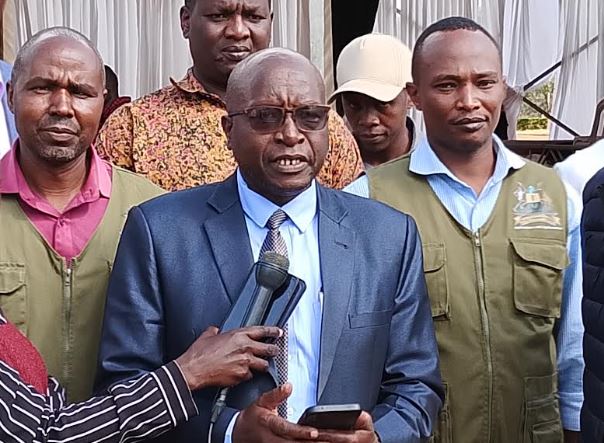
Speaking to journalists at the University of Eldoret, Uasin Gishu County, ahead of the programme’s official launch, National Programme Coordinator Kubok Leonard said the initiative is being implemented by the Government of Kenya through the State Department for Agriculture, with funding from the government, the International Fund for Agricultural Development (IFAD), the Global Environment Facility (GEF), the Green Climate Fund (GCF), and the Bill & Melinda Gates Foundation.
Kubok said the programme will cover Elgeyo Marakwet, West Pokot, Trans Nzoia, Uasin Gishu, Nandi, Kakamega, Kericho, Kisumu, Homa Bay and Migori counties, which form part of the Cherangany and Mau West ecosystems, two of Kenya’s critical water towers.
He said the programme seeks to restore degraded ecosystems while creating sustainable and nutrition-sensitive livelihoods for rural households.
“The main aim of this programme is to restore our degraded ecosystems and create sustainable and nutrition-sensitive livelihoods for our households,” said Kubok.
He added that the programme is targeting more than 407,000 households, translating to about 2.04 million people, with an indirect impact expected to reach nearly 10 million Kenyans living within the programme area.
Kubok noted that the programme is intended to reduce pressure on forests and other natural resources by providing communities with alternative sources of income.
“This programme will enable households not to move into our natural resources, such as forests, and degrade them because of a lack of alternative livelihoods,” he said.
He added that the programme will support five priority value chains identified through consultations with the participating counties during its design phase. These include dairy farming, poultry, beekeeping, fruit production and vegetable farming, with special emphasis on indigenous vegetables due to their high nutritional value.
The national coordinator expressed confidence that the selected value chains are expected to strengthen household incomes, enhance food and nutrition security, and contribute to environmental conservation across the targeted counties.
By Fredrick Maritim