By M, KNA
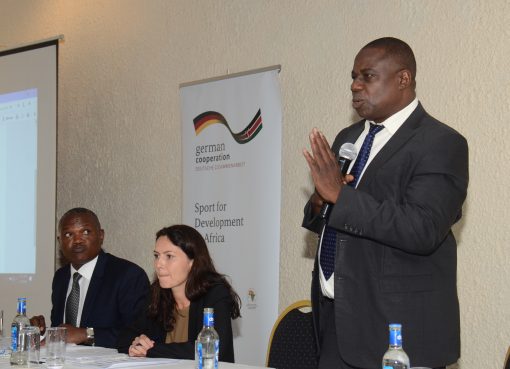
The Principal Secretary (PS) for Environment and Climate Change, Dr. Eng. Festus Ng’eno has convened a strategic focus meeting on strengthening governance, restoring degraded lands, mitigating climate impacts and wetland restoration, among others.
The PS met with heads of departments to chart priorities for 2026 which will be guided by the Ministry of Environment, Climate Change and Forestry’s strategic focus.
He urged the team to mobilise resources for their activities to supplement the inadequate budgetary allocation to ensure the projects are impactful and benefit the grassroots communities as guided by the Bottom-Up Economic Transformation Agenda (BETA).
This, the PS said, will address the three planetary crises of climate change, biodiversity loss, and pollution through a ‘People, Planet, Profit’ approach, aiming to increase forest cover and deliver economic benefits.
During the meeting, Dr. Ng’eno congratulated teams for their achievements in the previous year and emphasised the importance of continued collaboration and technical support across departments.
Further, he highlighted the need for synergies among teams and underscored that all initiatives should align with government priorities as guided by BETA as well as the Ministry’s overarching strategic objectives.
“Key strategic priorities for 2026 include Kenya’s continued bid to host the Secretariat for the Intergovernmental Science-Policy Panel on Chemicals, Waste and Pollution (ISP-CWP) and the Plastics Treaty,” he exemplified.
Consequently, the PS noted that this initiative leverages Kenya’s status as the global headquarters of the United Nations Environment Programme (UNEP), strengthens the country’s leadership in global environmental governance, and ensures a strong voice for the Global South, particularly African nations, in shaping international environmental policy.
In addition, Dr. Ng’eno outlined key programmes and initiatives that will define the State Department’s agenda for the year, including climate change actions focusing on adaptation, mitigation, climate finance, and knowledge management, as well as capacity building for local communities.
On policy and research, Dr. Ng’eno disclosed that the State Department is reviewing key regulations and laws, including the National Environment Policy, with inter-ministerial meetings planned as well as an inception workshop and public participation.
“The policy will provide a strategic framework for sustainable management of natural resources, linking environmental health with economic growth, poverty reduction, and improved livelihoods,” explained the PS.
Equally, Dr. Ng’eno highlighted challenges, including pending bills, and emphasised the need for fiscal discipline, strengthened audit functions, and clear segregation of duties.
“Several legal instruments, including carbon market laws, wetlands restoration, and e-waste regulations, are currently at the Attorney General’s office for formal drafting,” he revealed.
On the National Environmental Calendar, the PS announced that events planned for this year include World Wetlands Day, which will be commemorated on 2nd February in Isiolo County; World Meteorological Day on 23rd March in Uasin Gishu County; and Global Observance Day on June 17, reiterating the need for these important events to integrate tree planting to contribute toward the presidential goal of growing 15 billion trees by 2032.
The meeting was attended by Secretary Administration Mr Mwongo Chimwaga, Environment Secretary Dr Selly Kimosop among other heads of departments.