It is often said that reaping a harvest is only half the journey to food security. The other half lies in how the produce is handled after it leaves the farm.
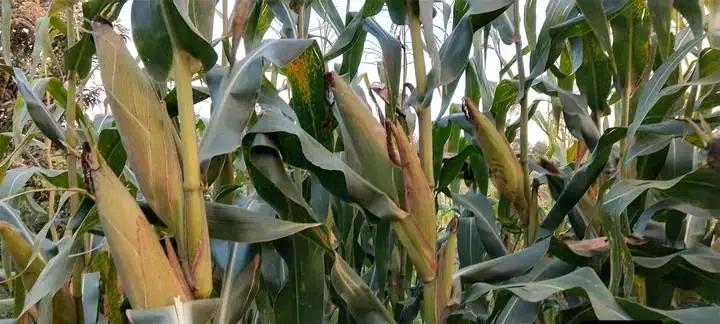
As maize in Tinderet Sub County approaches maturity ahead of the main harvesting season, agricultural experts are urging farmers to pay as much attention to post-harvest handling just as they do during land preparation, planting and crop management.
For many years, discussions on increasing maize production have centred on improved seed varieties, subsidized fertiliser and better farming practices.
However, a significant portion of farmers’ hard-earned harvest never reaches the market or the family granary because of poor post-harvest handling.
According to the Agriculture and Food Authority (AFA), Kenya loses up to 30 per cent of its cereal harvest annually through poor drying, improper shelling, pest infestation, inadequate storage and fungal contamination.
The losses amount to billions of shillings every year and significantly reduce farmers’ earnings despite increased production.
The challenge is particularly relevant in Tinderet Sub-county, one of Nandi County’s major maize-producing areas. Farmers are expected to begin harvesting within the coming months following the long rains season.
Food Security Advocate Antony Bett says farmers should begin preparing their storage facilities before harvesting starts.
“Many farmers concentrate on producing more maize but overlook post-harvest handling. Yet this is where substantial losses occur. Farmers should harvest only mature maize, dry it properly and store it in clean, pest-free facilities,” said Bett.
He noted that maize should be dried to about 13 per cent moisture content before storage to minimize mould growth and aflatoxin contamination.
According to Bett, harvesting maize before it has fully matured or storing grain with high moisture content greatly increases the risk of spoilage and insect infestation. He recommends the use of tarpaulins or raised drying platforms instead of drying maize directly on bare ground.
Agronomist Joseph Kipchirchir said poor handling practices continue to deny farmers a significant share of their expected income.
“Some farmers leave maize in the field for too long after maturity while others shell grain roughly, resulting in cracked kernels that are easily attacked by storage pests. These are avoidable losses,” he said.
Kipchirchir advised farmers to clean stores thoroughly before introducing newly harvested grain since old grain residues often harbour pests such as the weevils and larger grain borers.
He also encouraged farmers to adopt hermetic storage bags and metal silos, saying the technologies significantly reduce insect damage without relying heavily on pesticides.
The Ministry of Agriculture has consistently promoted the use of hermetic bags, improved storage structures and proper grain handling technologies as practical ways of preserving cereal quality and reducing losses.
Agronomists further warn against exposing harvested maize to unexpected rainfall by delaying harvesting. Rainfall during harvesting raises grain moisture levels, encouraging fungal growth and reducing market quality.
Improper shelling also contributes to post-harvest losses. Experts recommend using well-maintained mechanical shellers that minimize grain breakage, while preserving quality for storage and marketing.
Bett said reducing post-harvest losses offers one of the quickest ways of increasing food availability without expanding production acreage.
“Every bag of maize saved through proper handling is equivalent to producing an extra bag without spending more on fertiliser, seed or land,” he said.
He added that quality grain attracts better prices from millers, grain traders and institutional buyers, allowing farmers to earn higher incomes while strengthening household food security.
Farmers are also being encouraged to regularly inspect stored grain for insects, rodents, moisture and mould so that any emerging problems can be addressed before significant damage occurs.
Agricultural experts warn that aflatoxin contamination remains a major public health concern in Kenya. Poor drying and storage conditions encourage the growth of fungi that produce the dangerous toxin, rendering grain unsafe for human and animal consumption.
The Kenya Cereals Enhancement Programme has also encouraged farmers to invest in improved storage so that they can safely hold their grain and sell when market prices improve instead of disposing of it immediately after harvest when prices are lowest.
With careful harvesting, proper drying, improved storage and regular monitoring, farmers in Tinderet stand to preserve more of their harvest, increase household incomes and contribute to greater food security in Nandi County and the country at large.
By Sammy Mwibanda