Village elders from Migori County have thanked President William Ruto for formally implementing their monthly stipend of Sh3,000.
They said that the implementation of the stipend has formally recognised their role in administration at the village level as well as their contribution to society.
Early this month, President William Ruto recognised the vital role of village elders by implementing a monthly stipend of Sh3,000 for over 106,000 village elders, an initiative that aims to enhance their capacity to serve the community effectively.
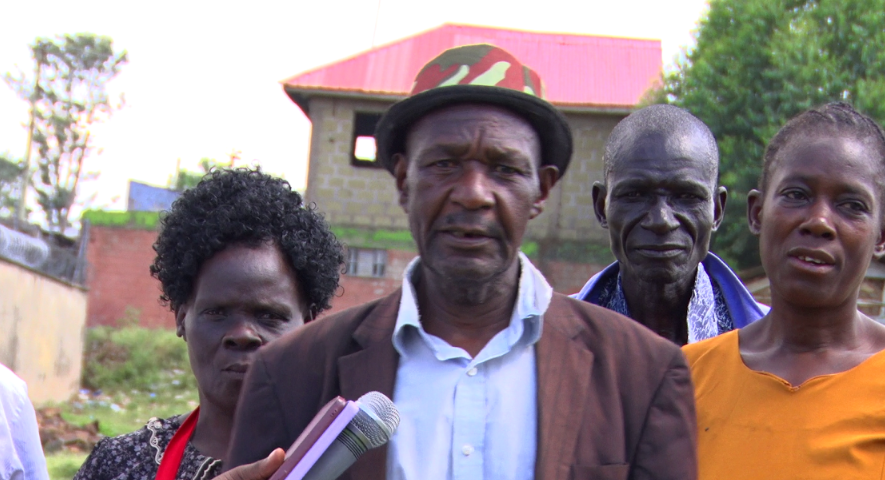
The elders, led by Alexander Ochieng, welcomed the government’s decision to formally recognise their role as village elders and administrators, adding that their responsibilities often require them to travel long distances to respond to disputes and other community issues.

The elders who spoke in Awendo town said that new recognition had given them a formal identity after years of serving communities under the previous governments.
The elder, however, appealed directly to President Ruto to increase the amount in the future, saying even a small addition would make a difference.
Ochieng described that their role frequently requires them to intervene in disputes and other problems within their communities; this requires more traveling, more resources, and time to deal with.
Lucas Abok, another village elder from Rongo, explained that elders can be called upon when families experience conflicts, including disputes between husbands and wives, placing them at the center of community-level problem-solving.
Such responsibilities, the elders argued, come with transport and other expenses that are difficult to meet on the current allowance.
The elders nevertheless maintained a largely appreciative tone towards the president, citing government interventions they said had benefited their communities.
Among the programmes mentioned were roads and affordable housing, while other speakers appealed for assistance for young people, women, and students pursuing university and college education.
The village elders’ intervention comes as the government seeks to strengthen grassroots administration by giving village-level leaders a more formal role in connecting communities with the government.
Abok explained that the recognition has been an important step, but their message to the president was that the responsibilities attached to the role must be matched by adequate support in the future.
For the village elders, the next measure of the government’s commitment will therefore not simply be the title attached to their role but whether the support they receive reflects the work they are expected to perform.
By Calton Ombok and Livia Bahati