African countries have been urged to take greater ownership of the continent’s global narrative and leverage reputation, culture and strategic communication to drive economic growth and enhance international influence.
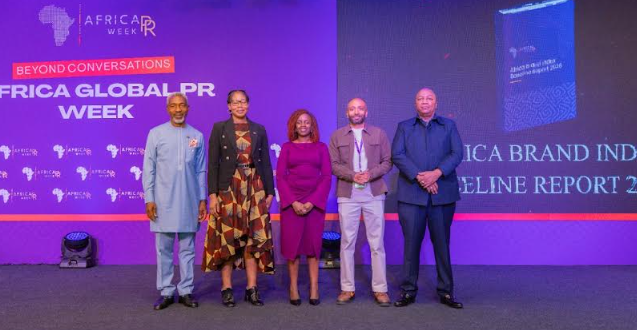
Speaking during the opening of the second Africa Global Public Relations Week (AGPRW) 2026 in Nairobi, the high commissioner of the Republic of South Africa to Kenya, Salome Zulu Baloi, said Africa’s reputation should be treated as a strategic national asset rather than an afterthought.
“Africa is a brand, and we are not talking about creating an artificial image because that is who we are,” Baloi said, noting that bilateral meetings, presidential visits and cultural showcases all communicate important messages about the continent.
She said African countries should move from reactive communication to deliberate narrative building to ensure the continent is heard and defined on its own terms through consistency, authenticity and agency.
“We are living in Africa. Let us tell our own stories and the truth about Africa: the innovation coming out of it, the development and infrastructure we are seeing, and the trading among sister countries,” she said.
The event, held under the theme “Redefining Africa: Africa as a Brand,” brings together public relations and communications professionals, government representatives, business leaders and diplomats to explore how strategic communication can improve perceptions of Africa and strengthen its competitiveness.
Presenting the Africa Brand Index 2026, AGPRW Secretariat Chair Mary Njoki said Africa’s brand was a strategic asset with direct implications for investment, tourism, trade and diplomatic credibility.
“For too long, Africa’s narrative has largely been shaped through fragmented perceptions and conversations that we do not always control,” Njoki said.
She said the Index provides an evidence-based framework for understanding how African countries are perceived and how such perceptions affect investment, tourism and trade.
The Index identifies six pillars for strengthening Africa’s brand: reputation and trust, investment appeal, tourism and culture, media and narrative, future readiness, and sustainability.
It found that while 80 per cent of respondents believe in Africa, only 15 per cent actively purchase African brands, highlighting a gap between continental pride and consumer preference.
The 2030 targets include raising active consumer conversion to 50 per cent, increasing Africa’s representation among the top 100 most admired brands to more than 25 per cent and growing the Africa 200 brand value to more than US$100 billion.
The Index further calls on African communicators to evolve from being messengers of announcements to “architects of reputation” who proactively shape narratives around national progress, corporate success and the continent’s future.
AGPRW 2026 will also examine the role of culture as an economic and export asset by linking heritage, creative industries, tourism and media exports to generate greater demand for African products and experiences.
The initiative has set out a 2030 roadmap that will progress from baseline research and pilot surveys to continental scorecards, sector indices and a live platform for trend analysis and policy action.
By Zipporah Odionyi and Tonny Omollo