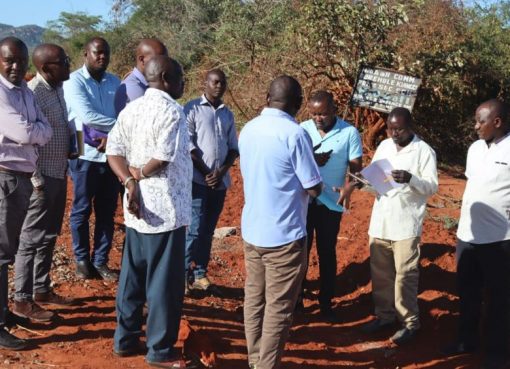
Approximately 2,000 teachers from public junior and senior schools have benefited from Lesson Study training aimed at strengthening teaching practices and improving learning outcomes across the country.
The programme, spearheaded by the Centre for Mathematics, Science and Technology Education in Africa (CEMASTEA) in collaboration with the Ministry of Education, seeks to institutionalise Lesson Study at school level as part of efforts to promote continuous professional development among teachers.
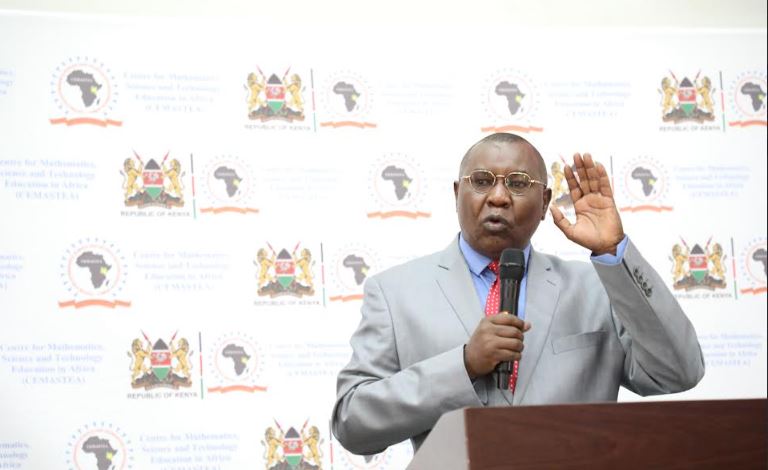
Speaking during the official launch of the training of 301 Champion teachers and 47 County Quality Assurance and Standards Officers at the CEMASTEA in Nairobi, the Chairman of the Board of Governors at the CEMASTEA, Dr. Pius Mutisya, urged participants to cascade the knowledge and skills acquired during the training to their colleagues to promote sustained professional learning and improved classroom practice.
“Let us, therefore, make lesson study much more than a training activity but a culture of continuous professional learning, reflection and improvement, especially at the classroom level,” said Dr. Mutisya.
He encouraged the participants to embrace professional growth by taking advantage of opportunities to learn, reflect on their practices and improve their teaching skills for the benefit of learners.
Acting Chief Executive Officer, Gladys Masai, said the training comes at a time when the government is placing greater emphasis on school-based professional development and continuous improvement in teaching practice.
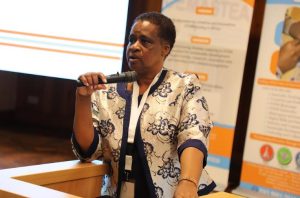
“This training comes at an important time when we are placing increasing emphasis on school-based professional development and continuous improvement in teaching practice. Lesson study provides a practical and collaborative approach through which teachers can learn from one another, examine their teaching practices, identify learners’ needs and collectively develop solutions to improve classroom instruction,” said Ms. Masai.
The Lesson Study is, therefore, a collaborative approach to professional learning that enables teachers to identify learners’ learning gaps, develop appropriate intervention strategies, plan and implement lessons, and collect evidence to assess learning progress.
She noted that effective professional learning gives teachers opportunities to collaborate, share experiences, reflect on their practices and use classroom evidence to inform improvements in teaching and learning.
Ms. Masai said the involvement of County Quality Assurance and Standards Officers, would be critical in supporting schools to institutionalise Lesson Study and sustain professional learning beyond the training sessions.
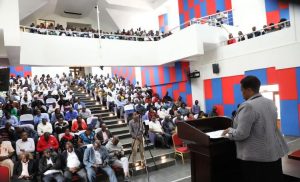
“When we thought of institutionalising Lesson Study at the school level, we brought in the County Quality Assurance and Standards Officers so that they can monitor these exercises, support teachers and mentor them. I therefore encourage all participants to approach this training not simply as an event, but as an opportunity to acquire practical skills and strategies that can be taken back to school and translated into sustained action,” she said.
The officers are expected to provide guidance, monitor implementation and mentor teachers as schools adopt Lesson Study, as part of their professional development programmes.
Ms. Masai further urged the trained champion teachers to become agents of change by promoting collaboration and building professional learning communities focused on addressing challenges experienced by both teachers and learners.
“Let us build professional learning communities that are active, purposeful, evidence-based and focused on addressing real challenges experienced by both teachers and learners in our schools,” she added.
She reaffirmed CEMASTEA’s commitment to supporting teachers and education stakeholders in strengthening professional development through collaborative and sustainable approaches aimed at improving classroom instruction and learner outcomes.
By Ian Chepkuto and Douglas Namunane