The Kenya National Union of Teachers (KNUT) has urged Parliament to shield proposed education reforms from political interference, warning that changes to the administration of Junior Secondary Schools (JSS) could disrupt learning and create unnecessary confusion.
KNUT Deputy Secretary General Hesbon Otieno called on the National Assembly Education Committee to consider views from all stakeholders before making decisions on the proposed Basic Education Bill, 2026, saying the legislation would significantly influence the quality of education in the country.
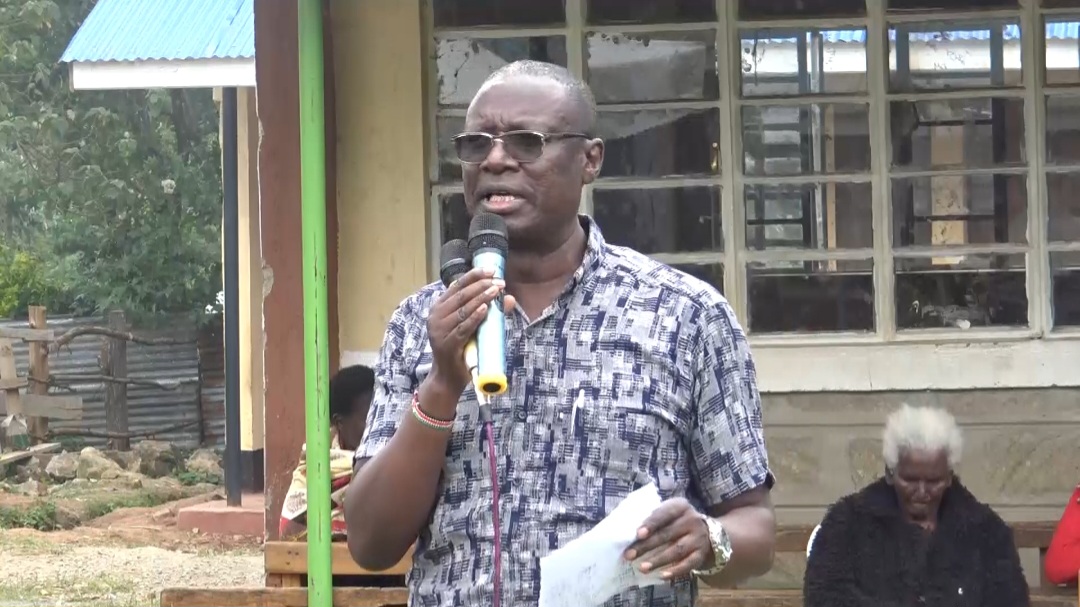
Speaking at Kaptabongen village in Chesumei Constituency, Nandi County, during a fundraiser to support the medical treatment of teacher Pauline Koech, Otieno opposed efforts to turn the question of where JSS should be domiciled into a dispute between junior school teachers and primary school headteachers.
He said the Presidential Working Party on Education had recommended retaining junior schools within primary schools under the comprehensive school model, arguing that the arrangement was practical, cost-effective and already operational.
“The comprehensive school system, as currently constituted, has been tried and tested and found to be working well. We do not want confusion. We must keep politics out of it for the benefit of our learners,” Otieno said.
He warned that creating separate administrative structures for junior schools would impose additional costs on the government, particularly in institutions already struggling with inadequate infrastructure.
“Look at this neighbouring school. Do you expect us to put up another administration block to have the junior school running independently? This is not practical and would be expensive for no apparent reason,” he said.
Otieno urged members of the parliamentary committee to consult teachers, school administrators and other education stakeholders before adopting changes, emphasising that learners’ interests should remain the priority.
The union official also called on the National Treasury to increase funding to the Teachers Service Commission (TSC) to enable it to provide teachers with medical insurance that adequately meets their healthcare needs.
He said many teachers continued to struggle with medical expenses despite being covered under the Social Health Authority (SHA) scheme, with some forced to pay out of pocket to access treatment.
According to Otieno, the gaps in medical coverage had compelled some teachers to rely on financial contributions from colleagues and well-wishers to settle hospital bills.
He called for a review of the medical scheme to address these shortcomings and ensure teachers could access affordable healthcare without undue financial strain.
Meanwhile, teachers attending the fundraiser commended the government for implementing the Collective Bargaining Agreement (CBA), citing the recruitment of additional teachers and promotions as important steps towards improving service delivery in the education sector.
By Valarie Kosuri