The Sabaot community in Trans Nzoia County has revived a traditional cleansing ritual performed every 100 years, in a move aimed at promoting peace, unity and harmonious coexistence among the community and their neighbours ahead of the 2027 General Election.
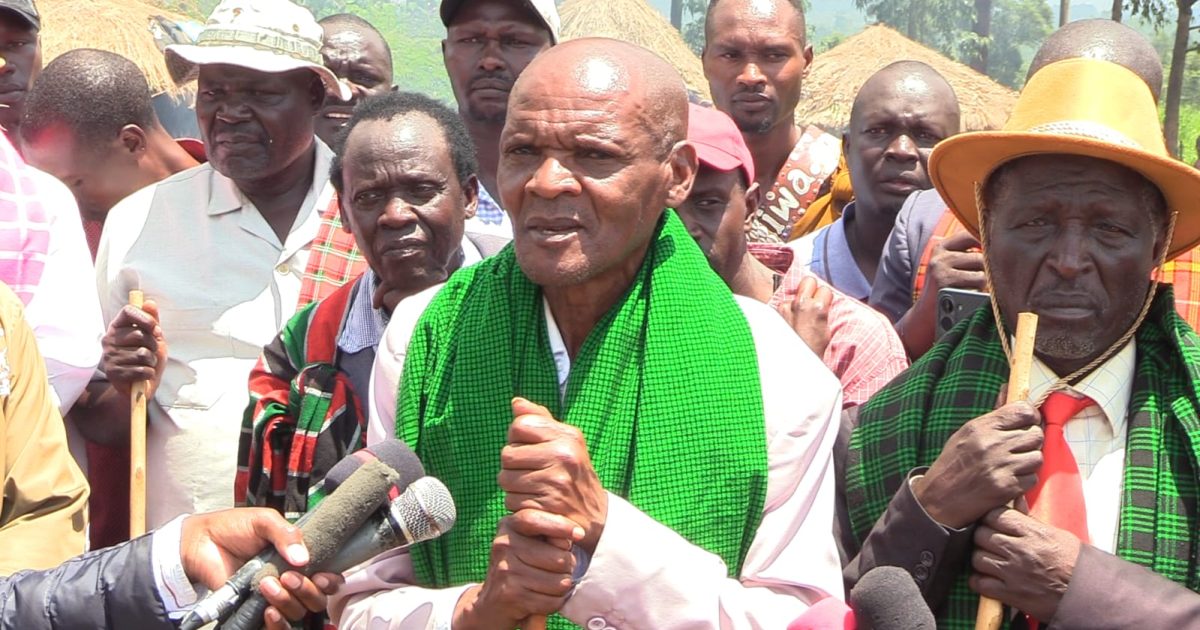
The rare ceremony brought together Sabaot elders who cleansed the land and appeased ancestors in an effort to strengthen peaceful relations within the community and with neighbouring communities.
The elders said reviving the ritual was not only about preserving a tradition passed down through generations but also about reminding the younger generation of the importance of peaceful coexistence at a time when political competition could threaten to divide communities.
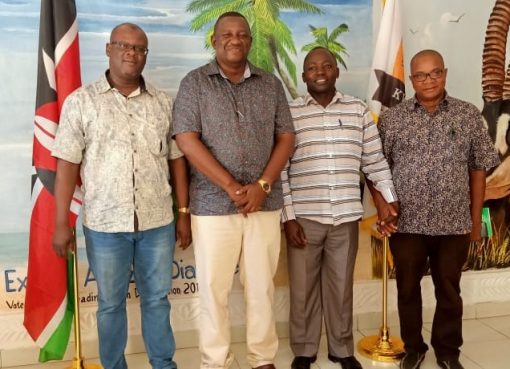
Mr. Jonas Kuko, Chairperson of the Finance and Administration Committee at the Commission on Revenue Allocation (CRA), present at the ceremony, said preserving cultural traditions was important in helping communities understand their identity and strengthen social cohesion.
“I am also a Sabaot, and my tribe’s totem is a dog. If someone visits our home and sees the dog totem, they automatically know they are not guests but fellow brothers, and that is why we need to remember where we come from,” he said.
Kuko said traditional practices had historically provided communities with ways of resolving disputes and maintaining relationships with other communities.
He said the ritual was particularly significant ahead of the 2027 General Election, noting that political competition could create divisions if communities failed to embrace peaceful coexistence.
“We encourage the elders to do the ceremony to prevent tribal clashes over leaders and to accept the leader we choose without using weapons or orchestrating violence,” he said.
Kuko urged young people to avoid being manipulated into political violence, saying their energy and participation should instead contribute to peaceful elections and community development.
Reverend Peter Chemoswe, an elder, said the ceremony was also intended to strengthen the community’s connection with the land while preserving a traditional practice passed down through generations.
Chemoswe explained that, according to the community’s oral history, their ancestors had linked past conflicts to a curse believed to have been placed on the land following a series of historical incidents.
He said the traditional cleansing ceremony was intended to appease the ancestors and remove the curse believed to have contributed to conflicts between the Sabaot and neighbouring communities.
According to Chemoswe, the ritual involves two tribesmen, with one lying down while the other lies on top of him, as the two hold spears facing opposite directions.
He said the ritual was traditionally repeated after every 100 years as a way of renewing the community’s commitment to peaceful coexistence.
“We are doing this ritual to appease our ancestors, to remove the curses placed on the land and unite people from all tribes to live together and reside in harmony and togetherness despite our cultural differences,” he said.
Another elder, David Kapoloman, said cultural traditions could play an important role in promoting reconciliation and peaceful coexistence among communities.
“We want to cleanse our tribe and promote peace not only within our sub-tribes in Sabaot but also with other tribes,” he said.
Kapoloman, an elder and leader of a clan whose totem is a snake, said preserving cultural heritage was important in ensuring that younger generations understood their identity and traditions.
“As an elder and leader of the clan with a snake totem, I am glad to join my fellow tribesmen to promote peace, love and harmony,” he said.
The ceremony brought together community elders who performed traditional chants before slaughtering goats and sharing the meat and milk as part of the cultural proceedings.
The elders later sang and danced, marking the conclusion of the ceremony, which they said was intended to strengthen unity and peaceful relations among communities.
As the country prepares for the 2027 General Election, the elders call on community members to embrace dialogue and peaceful coexistence and reject attempts to use young people to advance political interests through violence.
They said the revival of the century-old ritual demonstrated the role cultural heritage can play in promoting peace, strengthening community identity and encouraging harmonious relations among different communities.
By Isaiah Nayika and Oscar Nalyanya