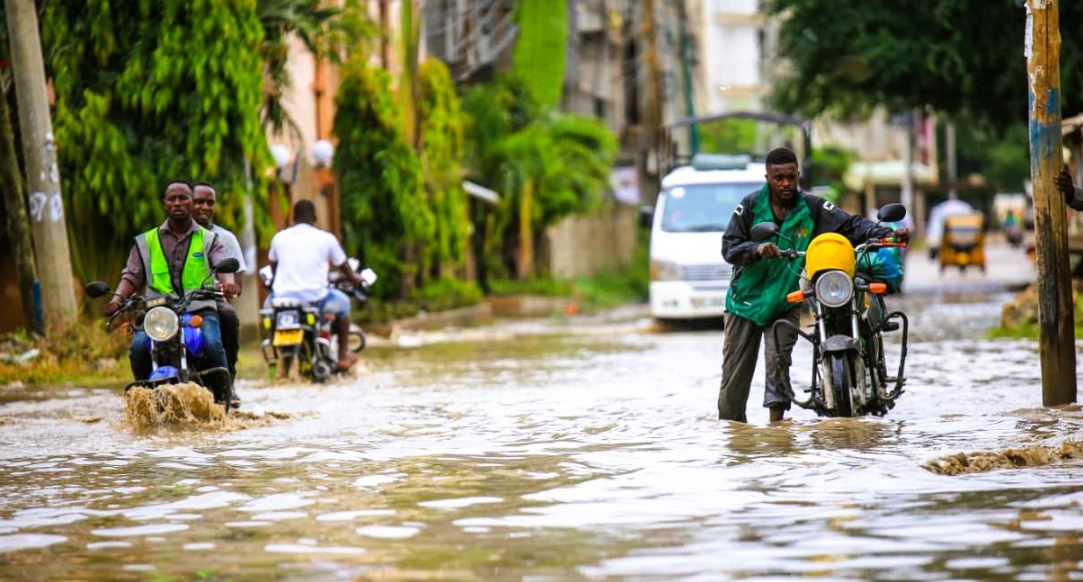
Mombasa County braces for El Niño rains as the Kenya Meteorological Service Authority (KMSA) announces the October to December 2026 short rains season forecast.
The KMSA forecast indicates enhanced rainfall during the season with high temperatures expected in the coastal region.
Mombasa is among the high-risk urban centers flagged by the government to experience heavy, above-average rainfall and potential flooding from the intensifying 2026 El Niño.
Scientists contend that El Niño, as part of a larger climate cycle, is a naturally occurring climate phenomenon characterised by the abnormal warming of the Pacific sea surface temperatures.

The World Meteorological Association warns that the El Niño climate phenomenon could bring droughts, flooding, heat waves and displacement of people around the world later this year.
The international weather agency warned that the anticipated heavy rainfall could have far-reaching consequences across many sectors, including transportation, agriculture, health and infrastructure.
The national government has activated an Ad Hoc Cabinet Committee on El Nino preparedness that will also support the devolved governments.
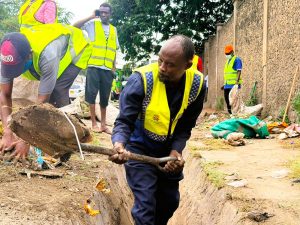
Consequently, Area Governor Abdulswamad Shariff Nassir has ordered the immediate unclogging of all drainage systems ahead of the anticipated El Niño rains.
Governor Nassir says heavy rainfall could trigger floods, noting that the move is aimed at mitigating floodwaters ahead of the El Niño phenomenon that raises the prospect of a historic climate event later this year.
El Niño is a natural climate phenomenon which occurs every two to seven years when sea surface temperatures rise in the tropical eastern Pacific, affecting weather worldwide.
Nassir says the devolved government remains alert and proactive and is putting in place coordinated action to minimise the impact of heavy rains.
He says a multi-agency team is in place to coordinate the coastal city’s preparedness and emergency response.
“We are fully prepared to respond to potential El Niño-linked disasters such as flooding, storm surges, coastal erosion along the shoreline and infrastructure damage,” he said.
He went on, “Proactive action and disaster preparedness remain our best option to cope with the severe weather phenomenon.”
The coastal county boss disclosed that 300 officers drawn from the county government and national agencies have already participated in rescue, marine safety, casualty management and emergency-response exercises.
“This foundation will now be reinforced through closer coordination with security agencies, the Kenya Red Cross Society, maritime and roads agencies, development partners, the private sector, faith organisations and community structures,” he said.
He said priority remains to protect lives, homes, businesses, roads, schools, health facilities and other essential infrastructure, particularly in the most vulnerable communities.
“We call on the residents to heed official early-warning advisories, avoid crossing flooded roads or waterways, keep children away from dangerous areas and desist from dumping waste in drainage channels,” he said.
The national government has identified 18 counties as being at high risk of flooding during the October-December short rains season. Mombasa is among the counties flagged as high risk based on its vulnerability to El Niño-related risks.
“We are intensifying community sensitisation and conducting multi-agency flood-response simulations to test our readiness,” said Nassir. A recent report by the National Disaster Operations Centre (NDOC) has identified Nairobi, Mombasa and Kisumu as among the high-risk urban hotspots.
According to the NDOC, residents of Nairobi, Mombasa and Kisumu are at great risk of flooding, drainage blockages, strain on infrastructure and disruption to essential public services, including transport, healthcare, water supply and power networks.
Nassir said Mombasa has been flagged as a high-risk urban hotspot for severe flooding, storm surges and infrastructure damage due to the upcoming El Niño rains.
The Governor was speaking after chairing the Mombasa County Disaster Risk Management Committee, which was also attended by Area County Commissioner (CC) Mohamed Nur.
The two leaders said the committee will work with all the relevant stakeholders to ensure early warning translates into early action to ameliorate the situation once the rains arrive.
The committee recommended the immediate clearing of choked gutters and desilting of manholes and underground drainage channels as blocked drains worsen flooding situations.
“We have met to review and strengthen our preparedness for the anticipated heavy rains and the associated risk of flooding across Mombasa,” he said.
He went further “our experience during the 2023 El Niño rains, when nearly 3,900 households were affected, underscored the need to move from reacting to disasters to anticipating and preventing them. We have therefore developed a comprehensive multi-agency contingency framework anchored on early warning, early action, coordinated response and rapid recovery,” he said.
According to the Kenya Red Cross, the 2023 El Niño displaced 500,000 people across 43 counties and warns that this season’s severity index is projected to be even higher.
Governor Nassir said his administration has begun the immediate verification of flood hotspots across all the 30 administrative wards in the six sub-counties and the clearing of drainage channels.
He says the county is preparing ward-level evacuation plans and shelters, pre-positioning rescue equipment and emergency supplies, strengthening public-health surveillance, and establishing a 24-hour incident-reporting and escalation mechanism.
CC Nur said the authorities are putting in place a coordinated action from all the relevant stakeholders to respond to El Niño-linked disasters.
“The aim is to coordinate the actions of the national government, county government and humanitarian agencies to enable the rapid mobilization of emergency resources,” he said.
Nur said chiefs and their assistants will be disseminating climate information down to the community level. He said low-lying areas and informal settlements face heavy flood risks from above-average rainfall and remain a cause of major concern for the authorities.
The administrator urged residents to keep drainage areas clear and monitor and pay attention to official weather warnings.
By Hussein Abdullahi