Teenage mothers are set to benefit from a government-funded cash support programme aimed at helping them return to school and rebuild their lives after pregnancy.
The programme will provide Sh1,000 to every adolescent who returns to school as part of the government’s efforts to address teenage pregnancy and keep young mothers in school.
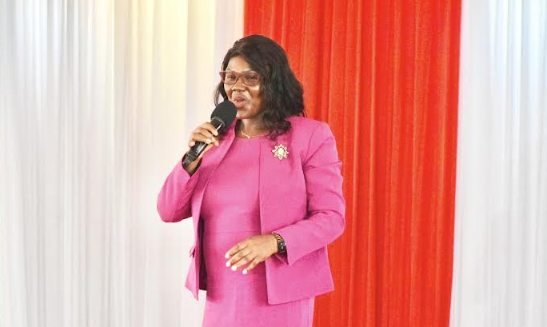
Speaking at an engagement forum in Homa Bay, the Principal Secretary, State Department for Children Services Carren Ageng’o, said the cash support would be implemented under an adolescent cash-plus programme supported by the Child Investment Foundation, with the initiative seeking to reach young people who have dropped out of school, including teenage mothers.
Registration of adolescents eligible for the programme is expected to commence this month, with Homa Bay among the counties targeted.
“We are going to register them in the programme so that we ensure those who are at home are taken back to school,” the PS said.
The programme is part of broader government efforts to tackle the triple threat of adolescent pregnancies, new HIV infections, and sexual and gender-based violence.
The Sh1,000 school re-entry support is intended to complement other interventions aimed at ensuring teenage mothers do not permanently lose their education and future opportunities.
According to the PS, teenage pregnancy remains a major challenge in the country, with 2022 statistics indicating that about 15 percent of girls nationally had been exposed to teenage pregnancy. Homa Bay is at 23 per cent.
Ageng’o said teenage pregnancy often has far-reaching consequences, including school dropout, stigma, HIV infections, and reduced opportunities for young mothers, urging communities to support affected adolescents instead of isolating or stigmatizing them.
The PS said the government was also strengthening family support, psychosocial services, and social protection programmes to protect vulnerable children and adolescents.
She noted that government cash-transfer programmes were already supporting families with vulnerable children, while children’s officers across Homa Bay continue to provide psychosocial support to affected teenagers.
Ageng’o highlighted that communities, schools, government agencies, and other stakeholders must work together to ensure girls who have dropped out because of pregnancy are given an opportunity to return to school.
She also called for stronger families and action against harmful social norms that leave adolescents vulnerable to sexual violence, pregnancy, and HIV.
“Behind every statistic is a child, a family, a dream, and a future that is affected,” she noted.
Principal Secretary for Medical Services Dr. Ouma Oluga, on the other hand, said the government had also allocated Sh1 billion through the Social Health Authority (SHA) to support teenage mothers and their children.
He said the funding was intended to help teenage mothers facing difficult circumstances, including those who have been forced to leave their homes because of stigma or lack of family support.
“We are not saying that we want to encourage teenage pregnancy, but we also know that occasionally these teenagers who get pregnant get stigmatized,” Dr. Oluga emphasized.
He revealed that Sh779 million had been spent from the allocation in the previous financial year to support teenage mothers.
In Homa Bay, 2,891 teenage mothers had benefited from the support, placing the county among the highest beneficiaries nationally.
Dr. Oluga said that the programme provides support for teenage mothers and their children for at least one year as they seek to regain stability and reintegrate into society.
He called for stronger community involvement in identifying teenage mothers who may be in need of assistance, noting that some disappear from their communities because of stigma and only seek help when they develop serious health complications.
Homa Bay County, where about 65 per cent of its population is below the age of 25, is considered a critical area for interventions targeting adolescents and young people.
By Sitna Omar