African countries have been urged to strengthen systems for collecting and using agricultural data to ensure the continent can effectively implement and measure progress under the new Comprehensive Africa Agriculture Development Programme (CAADP) agenda.
Experts at a regional capacity gap assessment workshop in Nairobi said reliable and comparable data on agricultural research, investment, infrastructure and human resources was critical to identifying gaps, directing resources and tracking progress under the Kampala CAADP Declaration and Strategy and Action Plan 2026–2035.
The new framework marks a shift from the previous emphasis on increasing agricultural production and productivity to a broader agri-food systems transformation agenda involving agriculture, trade, finance, water, youth, gender and other sectors.
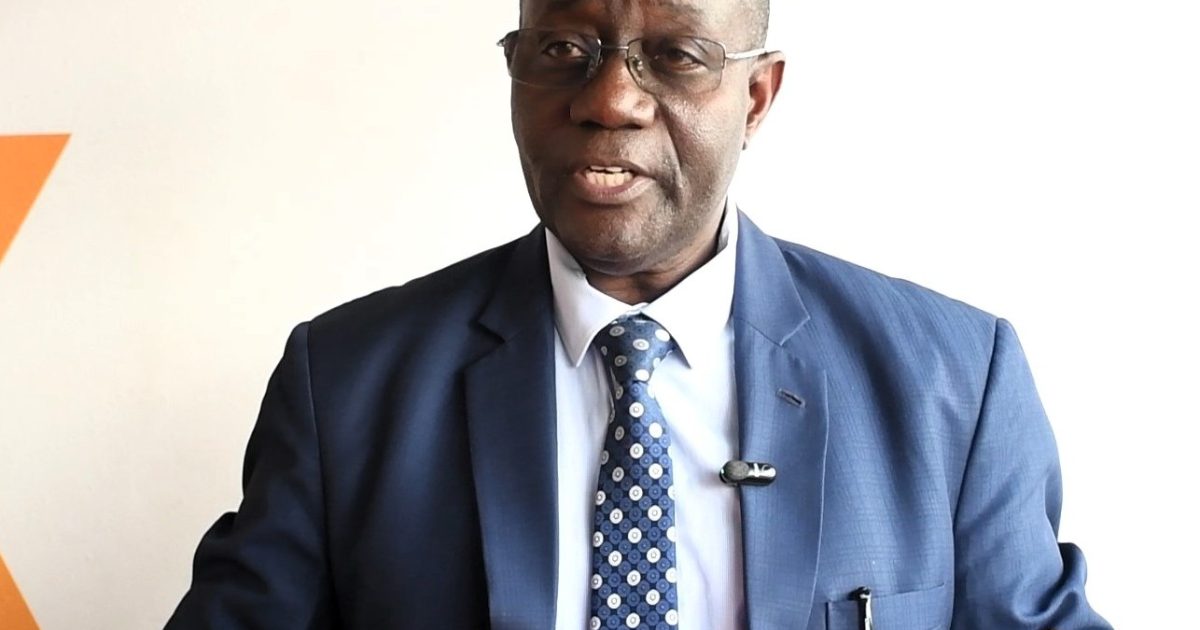
Sylvester Baguma, Executive Director of the Association for Strengthening Agricultural Research in Eastern and Central Africa (ASARECA), said the workshop was examining existing agricultural science and technology indicators and data gaps in the 15 ASARECA member countries.
He said the Kampala CAADP results framework contains 22 targets and 22 indicators, requiring countries to collect reliable data to demonstrate whether they are making progress.
“Once you have results, then you are able to show whether you’re making good progress or not, and results come from data,” Baguma said.
He explained that the information would feed into national food systems investment plans and the CAADP Biennial Review, through which countries report on progress towards continental commitments.
The workshop, convened by ASARECA, the Food and Agriculture Organization of the United Nations (FAO), CGIAR and AU-SAFGRAD, is also assessing capacity gaps at individual, institutional, and systemic levels to help countries meet the broader demands of the new agenda.
Gert-Jan Stads of CGIAR said good data was the starting point for identifying where capacity was available and where additional support was required.
“Without that knowledge, we can’t do anything,” Stads said, noting that existing agricultural science and technology data provided a useful foundation but was not sufficiently detailed to identify specific institutional and individual capacity gaps.
He said the initiative seeks to complement existing data with more granular information covering research infrastructure, human resources, skills, leadership, management and data management.
Stads added that capacity was unevenly distributed across African countries, making it more practical to connect countries with existing expertise rather than requiring every country to build capacity from scratch.

Under the Capacity Sharing Accelerator (CapSha), countries with expertise in particular areas could support others with identified gaps through training, institutional partnerships and South-South cooperation.
Hernan Muñoz of FAO said the organisation was training national experts to collect agricultural science and technology indicators covering areas such as research investment, research priorities, funding sources and research outputs.
He said systematically collected data would allow countries to compare their performance with other countries and, importantly, track their own progress over time.
Muñoz said reliable data could also strengthen advocacy for greater investment in national agricultural research systems by showing where resources were needed most.
The data, he said, would support both national decision-making and international investment decisions, including helping donors identify areas requiring additional resources.
The experts said stronger research, education and extension systems would be essential to achieving the Kampala agenda, which seeks to transform Africa’s food systems and improve the continent’s ability to feed its population rather than continue relying heavily on food imports.
The ASARECA Executive Director said Africa currently spends about USD 100 billion annually on food imports, arguing that stronger domestic food systems could help reverse the trend and create opportunities for production and exports.
The 4-day workshop is expected to help countries identify existing capacities, map gaps, and establish mechanisms for sharing expertise and resources across institutions and countries.
The exercise is also intended to strengthen the evidence base used in future CAADP reviews, ensuring that progress under the new 2026–2035 strategy can be measured using consistent and credible national data.
by Wangari Ndirangu