Sportsmen and women from Uasin Gishu, Elgeyo Marakwet, and Nandi counties—popularly known as the “City of Champions,” “Home of Champions,” and “Source of Champions”—have been urged to register their brands and develop merchandise as a way of strengthening Kenya’s economy and supporting Small and Medium Enterprises (SMEs).
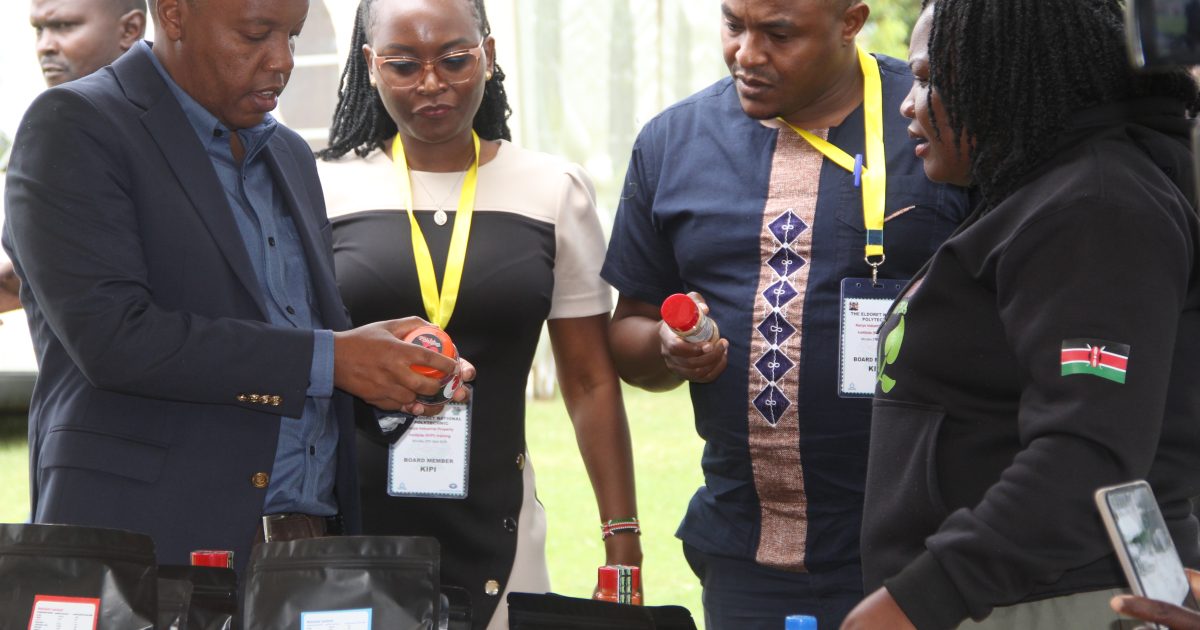
The call was made during the World Intellectual Property Day 2026 celebrations held at Eldoret National Polytechnic on April 27, 2026, a day after the official global observance. The event was held under the theme “IP and Sports: Ready, Set, Innovate.”
Speaking during the event, Kenya Industrial Property Institute (KIPI) Chairperson Allan Kosgey emphasized the importance of athletes protecting their intellectual property through brand registration and trademarking.
“We are here to support our sportsmen and women and urge them to continue protecting their intellectual property rights,” Kosgey said, adding that trademarks help safeguard innovations and open up commercial opportunities for athletes.
He noted that the theme highlights the importance of intellectual property rights—including patents, trademarks, and design protections—in improving performance, encouraging innovation, and strengthening the global sports industry. He added that Eldoret was an ideal host due to its global reputation in athletics and proximity to other leading sports-producing counties.
Kosgey also praised collaboration between the Anti-Counterfeit Authority and the Kenya Copyright Board in raising awareness on protecting intellectual property across the sports value chain, including footwear, kits, and branding.
“This is a critical aspect of the President’s Bottom-Up Economic Transformation Agenda. The creative economy and sports sector are key to building our economy from the grassroots,” he said.
State Department for Industry official Karanja Njora stressed the need to empower innovators with knowledge on protecting their creations, warning that lack of awareness often leads to exploitation.
“It is important that we stop the tradition where people are exploited due to lack of awareness. Athletes and innovators must understand the importance of safeguarding their intellectual property,” he said.
Njora noted that KIPI plays a central role in guiding innovators on protecting inventions and utility models while also encouraging research-driven innovation to support commercialization. He added that the government remains committed to helping innovators bring their products to market and compete effectively.
Participants at the event were encouraged to explore innovation within sports, including designing sportswear and equipment, and to seek protection through KIPI to ensure long-term business sustainability.
However, Anti-Counterfeit Authority CEO Robi Mbugua raised concerns over the rising prevalence of counterfeit sports merchandise in the market, warning that it undermines businesses and endangers consumers.
“Fake sports merchandise undermines businesses, endangers consumers, and denies creators their rightful earnings. Kenya loses billions annually to counterfeit trade,” Mbugua said.
He reaffirmed the authority’s commitment to protecting innovators and consumers, urging the public to support genuine products and reject counterfeit goods.
“To the students, your ideas have value—protect them, nurture them, and turn them into opportunities,” he added.
Mbugua further noted that strong intellectual property protection enables brand owners to expand their businesses without fear of infringement, emphasizing that sports innovation represents a multi-billion-shilling industry in Kenya.
By Ekuwam Sylvester