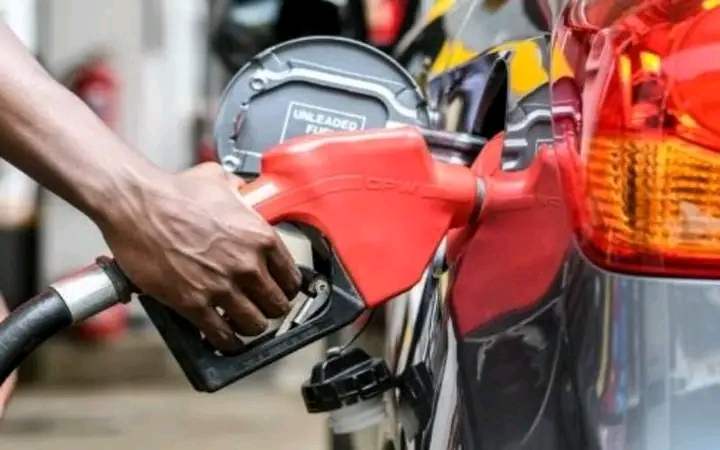
The latest review of fuel prices by the Energy and Petroleum Regulatory Authority (EPRA) has drawn widespread resentment among motorists and other consumers in Awasi, Nyando Sub-County, Kisumu County.
On May 14, EPRA announced that petrol had increased by Sh16.6 to Sh.214. 2 per litre while diesel rose sharply by Sh46.2 to Sh242.9 per litre.
As a result of the hike, transport operators and motorists in Awasi have expressed growing concern over the continued rise in fuel prices, saying the increases had sharply reduced their profits and strained their relationships with customers. They further protested that the hike had drastically worsened the already high cost of living.
The fuel hike, they added has already forced increase in food prices and other items due to the huge transport costs incurred by traders.
Public service vehicles and Boda boda operators regretted that the cost of fuel has become unbearable, forcing them to either increase fares or operate at a loss.
The motorcycle operators further lamented the sharp decline in customers, leading to low incomes that may soon force them out of business.
Elphant Ogutu, a boda boda rider in Awasi town said the high fuel prices had made it difficult for operators to earn meaningful income from daily trips.
“With the high fuel price, the profit we make is low because if you are charging Sh.100 per trip, nearly all of it goes into buying fuel,” he said adding many customers are unwilling to accept increased fares.
“Customers have not accepted that the fuel has increased, so adding fare looks like you are forcing them and many seek alternative transport means,” he said.
He blamed the situation on global economic pressures and taxation but expressed hope that the government would intervene to lower fuel prices.
“I heard the government assuring us that it is determined to reduce fuel prices, so we are just waiting for the good news. If it reduces, we will be okay,” he said.
Another motorist, Aron Ochieng operating along the Kericho–Kisumu route said transport businesses are struggling because passengers are also facing financial difficulties.
“It has really affected us because the customers are not willing to pay additional transport money despite fuel increase, leaving us with nothing as profit,” said Ochieng.
Ochieng noted that attempts to increase fares are often met with resistance from customers who say they cannot afford the additional costs. “When you tell customers to add money, they also cry that they don’t have money,” he explained.
“The number of customers has reduced. Customers know fuel prices have increased, but where do they get the money from?” he posed.
The motorists are now calling on the government to urgently address the issue, arguing that fuel costs have triggered increases in the prices of nearly all basic commodities and services.
“The government should reduce fuel prices because everything now has increased. The only solution is to reduce the fuel prices,” Ochieng said.
Steve Ouma, a local tuktuk driver, operating in the Awasi – Ahero market route echoed similar sentiments saying customers’ traffic has significantly dropped as a majority opt to walk or go for cheaper alternatives.
by Wendy Awuor and Rainhard Ayub