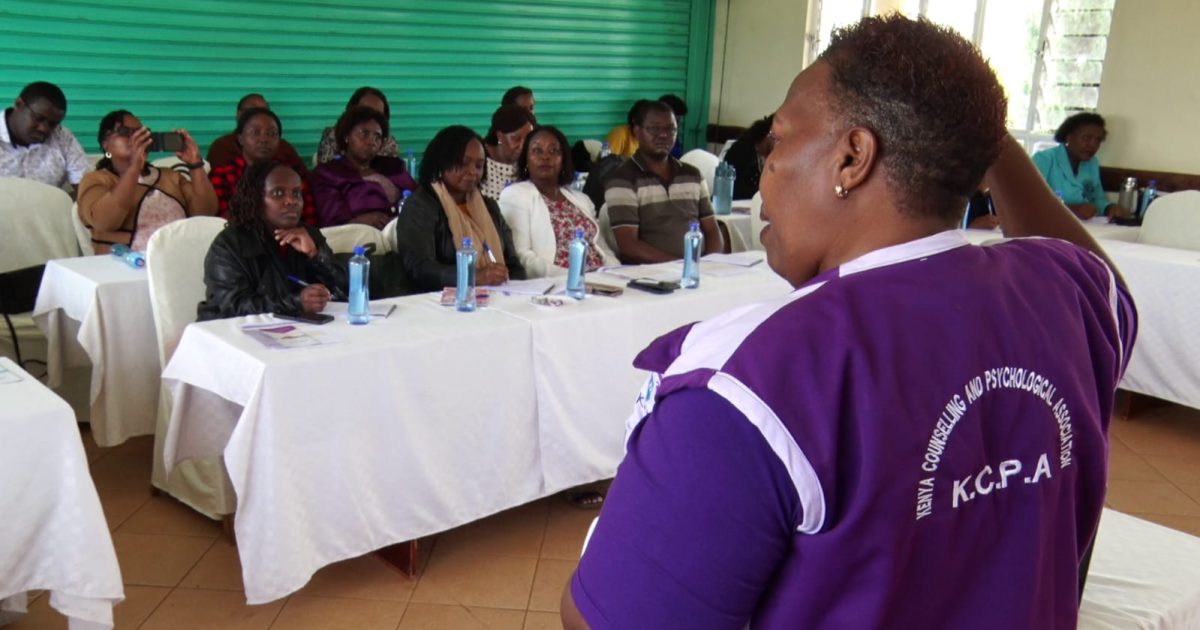
Counsellors have raised concern over rising mental health cases at workplaces across different sectors, affecting productivity and called for the strengthening of workplace counselling programmes, to address the worries.
Speaking during a mental health sensitization forum, the Kenya Counselling and Psychological Association said employees’ economic hardships, pressure to meet targets, job insecurity and family-related stress are affecting productivity in most organizations.
The Association’s CEO, Rachel Kiaritha, noted that although some organizations have introduced employee wellness programmes, the interventions remain inadequate compared to the growing demand for psychosocial support among workers.
“There is a serious need for workplaces to establish counselling units and create safe spaces where employees can openly talk about their struggles and receive professional support without fear of stigma,” she said.
She emphasized the need to equip professionals, including workplace counselors, trainers, teachers and human resource officers with skills to effectively support employees struggling with mental health challenges.
“We must empower professionals within institutions so that they are able to support workers dealing with stress, emotional exhaustion and other psychological challenges affecting performance,” added Kiaritha.
The CEO further encouraged employers to promote work-life balance through flexible working arrangements and self-care programmes, aimed at improving employee well-being.
“Organizations can introduce flexible schedules, allow employees to occasionally work from home or even set aside time for self-care because a healthy workforce is critical for improved productivity,” she said.
At the same event, Edwin Kibe, the Association’s National Secretary, warned that the country is experiencing increasing cases of violence, substance abuse and suicide linked to economic hardships and emotional distress.
“Mental health is taking a toll on employees due to frustrations, unmet expectations and financial pressure. This is affecting performance in many workplaces,” said Kibe.
He urged employers to establish peer counselling programmes and allocate resources for regular mental health sensitization workshops to help employees cope with stress and workplace pressures.
Meanwhile, Jane Muema, a trainer at Kiambu Insititute of raised concern over rising cases of drug and substance abuse among young people.
“The rate of mental health challenges among the youth is very high and urgent action is needed. Social media influence is also contributing to the problem and young people need proper guidance to help them manage life pressures responsibly,” she said.
By Muoki Charles