The Kirinyaga County Government has committed to rehabilitating on-farm roads in the vast Mwea Irrigation Scheme following years of deterioration that have affected the transportation of rice from the farm to market.
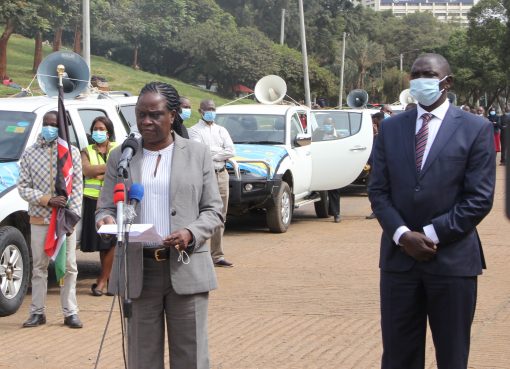
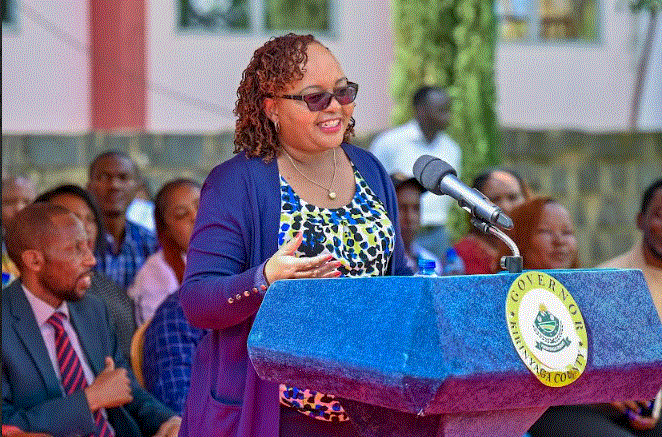
Speaking during a meeting with rice farmers and local leaders, Governor Anne Waiguru said that although the maintenance of on-farm roads falls under the National Irrigation Authority (NIA), which manages the scheme, delays in rehabilitation had badly affected the movement of rice and increased transportation costs for farmers.
Waiguru said the county government will provide machinery and fuel to facilitate the murraming of the roads, a move expected to ease the transportation of farm produce to markets and reduce farmers’ operational costs.
The governor also urged Mwea residents to safeguard the region’s development gains by sustaining support for, and constructive engagement with, both levels of government. She emphasised that the region’s future prosperity depended on protecting existing investments and ensuring ongoing projects were completed.
“Mwea’s future depends on protecting the gains we have made and advancing its prosperity through forward-looking leadership. We must continue engaging both levels of government, following up on commitments and ensuring that ongoing projects are completed. Our shared priority should be to produce more, reduce the cost of farming, improve farmers’ earnings and create more opportunities for our young people,” she said.
Waiguru described Mwea as a strategic contributor to Kirinyaga County’s economy and Kenya’s food security, noting that the region is the country’s leading rice-producing area.
With thousands of farming households dependent on reliable irrigation, affordable agricultural inputs, access to markets and efficient transport infrastructure for their livelihoods, Waiguru noted that government interventions were aimed at addressing practical challenges that constrain agricultural production and profitability.
At the national level, subsidised fertiliser, seedlings, agricultural programmes and measures to support the market for locally produced rice have provided additional assistance to farmers.
Waiguru also highlighted the national government’s efforts to purchase locally produced rice through the Kenya National Trading Corporation (KNTC), saying dependable markets were essential to ensuring farmers benefited fully from increased production.
“The government has released Sh1 billion to cushion rice farmers. This will ensure that before any importation of rice into the country, the government buys rice in Mwea,” she said.
By Mutai Kipng’etich