Health experts have raised concern over the increasing number of eye- and throat-related illnesses in Central Kenya, warning that delayed diagnosis of eye conditions could lead to serious complications, including blindness.
Doctors now say cases of eye diseases, particularly cataracts, are on the rise, a trend they partly attribute to the region’s proximity to the equator and increased exposure to harmful ultraviolet (UV) radiation.
The experts reiterated the need for the public to prioritize their health through regular check-ups and protection from environmental risk factors.
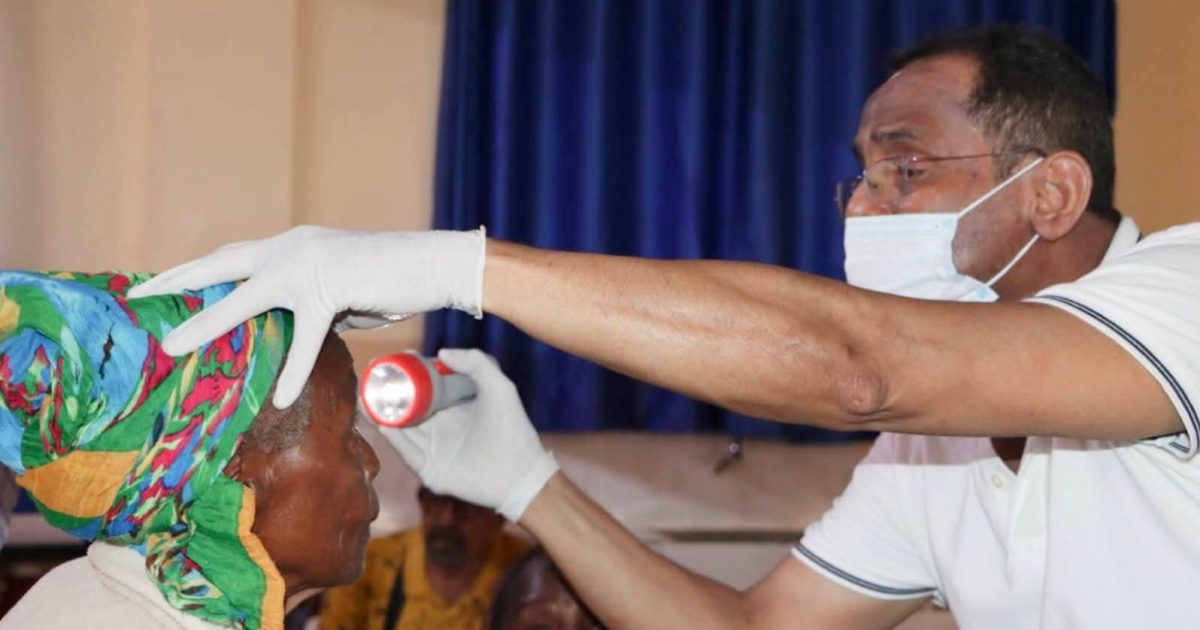
The experts, led by eye specialist Dr. Deepak Bhatra, spoke during a free medical camp offering eye, ear, nose and throat services held at the Michuki National Polytechnic in Kangema Constituency.
Dr. Bhatra said prolonged exposure to direct sunlight without protection is a major contributing factor to eye problems.
“Extended exposure to direct sunlight without protection can significantly affect eyesight and may eventually lead to vision loss,” he said.
The specialist noted that cataracts remain one of the most prevalent eye conditions in the region due to high levels of ultraviolet radiation.
“We are also seeing cases of spring catarrh, an allergic condition where the eyes become red, itchy and watery, and we advise patients to wear dark glasses to avoid aggravating the condition while undergoing treatment,” he added.
Dr. Bhatra further urged people, especially those working outdoors and on farms, to wear protective UV-filtered glasses and maintain proper hygiene, including washing eyes with clean water.
“Continued exposure to harmful sun rays without protection increases the risk of reduced vision and in severe cases, blindness,” he warned.
At the same time, the camp revealed a rise in throat infections, particularly among young people.
ENT specialist Dr. Arpitta Singhal said while tonsils are a normal part of the body’s immune system, frequent infections may require medical attention.
“Tonsils are normal lymphatic tissues that usually regress with age from 12 to 14 years, but if one requires treatment nine to ten times a year due to throat infections, then there is a need for definitive treatment,” she said.
Dr. Singhal advised residents to adopt preventive measures such as drinking warm fluids and avoiding excessive exposure to cold conditions.
Shree Jain Foundation Coordinator Vinay Shah emphasised the importance of outreach programmes in improving access to healthcare.
“Regular screening helps in identifying conditions early and ensures timely treatment, which can prevent long-term complications,” he said.
Michuki National Polytechnic Chief Principal Ann Mbogo urged residents to take advantage of such initiatives, noting that early detection is key to preventing serious health complications.
“Last year, more than 100 people underwent eye and throat surgeries. Anytime we have such camps, I urge people to turn up in large numbers and seek medical attention early,” she said.
A local resident, John Mwangi, who benefited from the camp, welcomed the initiative.
“These services are very helpful to us, especially for those who cannot easily access specialised treatment due to finances and distances we have to cover to access those services,” he said.
By Florence Kinyua