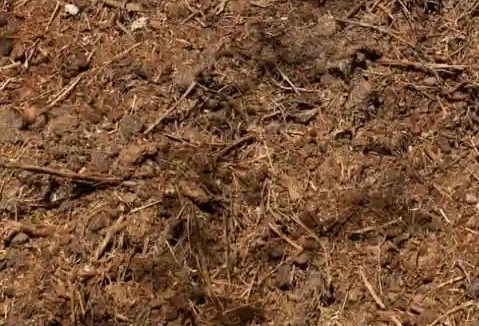
Farming in Songhor-Soba ward in Tinderet Sub County is undergoing a quiet but significant transformation, as farmers increasingly turn to organic manures to sustain their soils and cut production costs.
What was once dismissed as waste is now being embraced as a vital resource, with those who have adopted the practice reporting healthier soils, improved yields, and reduced reliance on expensive chemical fertilizers.
For years, many farmers in the area depended heavily on synthetic fertilizers to boost crop production. However, the rising cost of these inputs has made farming increasingly expensive, forcing smallholder farmers to rethink their strategies.
In response, a growing number are returning to livestock manure and composite as an affordable and sustainable alternative.
“I used to spend a lot of money every planting season buying fertilizers,” says Kiprono Kibet, a maize farmer in Maraba village. “But since I started using cow dung and compost, my costs have gone down, and my soil has become more productive.”
Kibet is among a wave of farmers who are rediscovering the value of organic manure.
By integrating livestock waste into their farming systems, they are not only saving money but also improving the quality of their land.
The shift reflects a broader move toward sustainable agriculture practices that prioritize long-term soil health over short-term gains.
One of the key advantages of organic manure is its accessibility. For farmers who keep livestock, manure is readily available and does not require cash outlay.
This has proven especially beneficial at a time when the cost of chemical fertilizers continues to rise, placing a heavy burden on rural households.
Beyond affordability, farmers say the impact on their soils has been remarkable. Fields that were once hard and unproductive are gradually becoming softer, richer, and easier to work.
Jane Chepkemoi, a vegetable farmer in the area, describes the change in vivid terms. “Before, when it rained, water would just run off my farm,” she says. “Now the soil holds moisture for longer, and my crops are doing much better, even when the rains are not consistent.”
Experts attribute these improvements to the organic matter contained in manure. Unlike chemical fertilizers, which primarily supply nutrients, organic manure enhances the physical structure of the soil.
It improves aeration, increases water retention, and supports the growth of beneficial microorganisms that are essential for plant health.
The Tinderet Sub County Agricultural Officer, Peter Tanui, underscores the importance of this approach. “Manure is not just a fertilizer; it is a soil conditioner,” he explains.
“It improves soil structure, supports microbial activity, and ensures that nutrients are released gradually, which is better for crop growth.”
He notes that livestock manure contains essential nutrients such as nitrogen, phosphorus, and potassium, making it a viable substitute for synthetic fertilizers.
However, he emphasizes that its benefits go beyond nutrient supply.
“Using livestock manure supports agroecological systems,” he says. “It allows farmers to recycle nutrients within their farms, reducing dependence on external inputs and promoting sustainability.”
This nutrient recycling is particularly evident in mixed farming systems, where crops and livestock complement each other.
Crop residues are used to feed animals, while animal waste is returned to the soil as fertilizer. The result is a closed-loop system that minimizes waste and enhances productivity.
Farmers who have embraced this approach say the benefits are becoming increasingly clear.
Kibet reports that his maize yields have improved compared to previous seasons. “I expect to harvest more this time, and I did not have to spend as much money,” he says. “That makes a big difference for my family.”
Chepkemoi also highlights the value of using different types of manure. “Even poultry droppings are useful,” she says. “We are now using everything on the farm. Nothing goes to waste.”
The environmental benefits of organic manure are also significant. By increasing organic matter in the soil, manure helps to build soil carbon, which plays a role in mitigating climate change.
It also reduces the risk of pollution associated with chemical fertilizers, such as nutrient runoff into water bodies.
However, the transition to organic manure is not without its challenges. Some farmers point out that collecting and preparing manure can be labor-intensive.
Others admit that they need more knowledge on proper composting and application techniques to fully realize its benefits.
“There is still a need for training,” Tanui acknowledges. “Farmers need to understand how to handle manure properly, including composting, so that they can maximize its effectiveness and avoid potential risks.”
He adds that combining organic manure with other sustainable practices, such as crop rotation and cover cropping, can further enhance soil fertility and productivity.
Despite these challenges, the momentum behind organic manure use in Songhor-Soba is gradually growing. As more farmers witness the benefits firsthand, the practice is gaining wider acceptance across the community.
The shift represents more than just a change in farming inputs; it signals a deeper transformation in how farmers view their land and resources.
By embracing organic manure, they are investing in the long-term health of their soils and securing their livelihoods against rising costs and environmental uncertainties.
By Sammy Mwibanda