In the past, traditional healers in rural communities have been regarded as alternative healthcare providers, often operating separately from conventional health facilities.
However, traditional healers in Ganze Constituency, Kilifi County, have embraced the referral of patients to health facilities in a move aimed at promoting timely access to medical care and reducing the spread of diseases, including HIV.
The initiative seeks to leverage the accessibility and trust enjoyed by traditional practitioners in rural communities, where they often serve as the first point of contact for people seeking treatment.
Under the programme, traditional healers are trained to identify critical signs and symptoms that require professional medical attention, including conditions requiring specialised screening, surgery or pharmaceutical treatment.
The practitioners are also encouraged to educate their clients and facilitate timely referrals to dispensaries, health centres and referral hospitals whenever a condition falls outside their scope of practice.
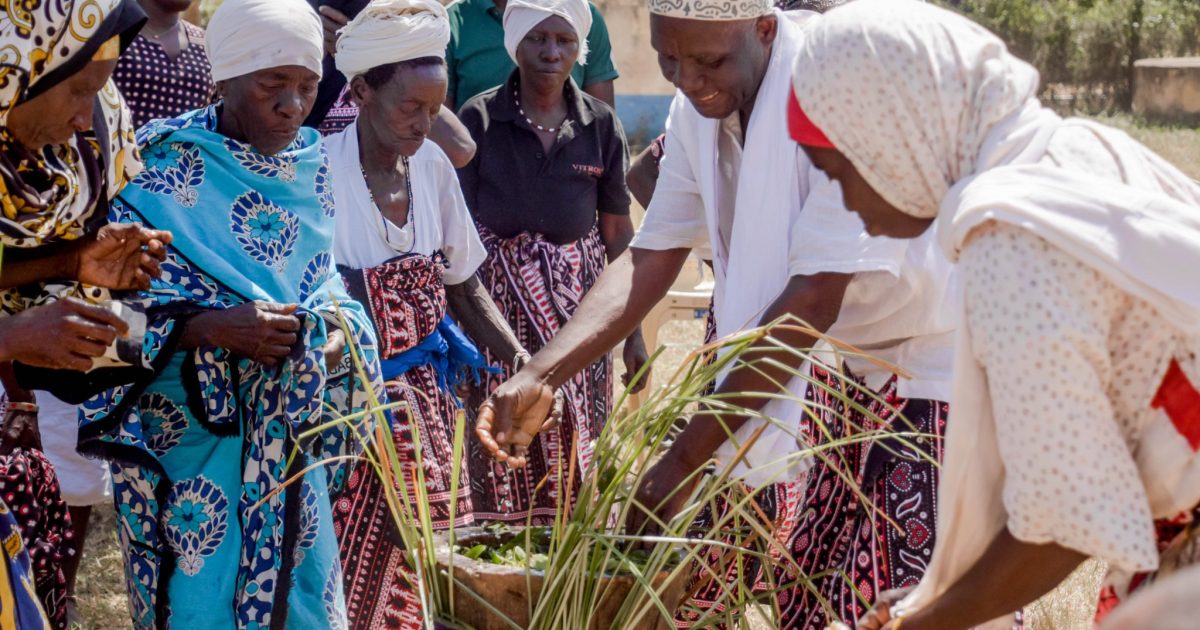
Kadzo Charo, a traditional herbalist who attends to pregnant women, said she previously treated her clients without referring them to health facilities, but training and mentorship had helped her understand the risks associated with delayed specialised care.
Kadzo said she had particularly been sensitised on the importance of pregnant women seeking antenatal and specialised medical services to reduce the risk of mother-to-child transmission of HIV.
“We were told that an HIV-positive pregnant client might visit us for medication, but without specialised knowledge and equipment, there are risks to both the mother and unborn child. I now urge pregnant women who have not started clinic to visit the hospital. When one comes to me without evidence of having attended hospital, I do not serve them,” she said.
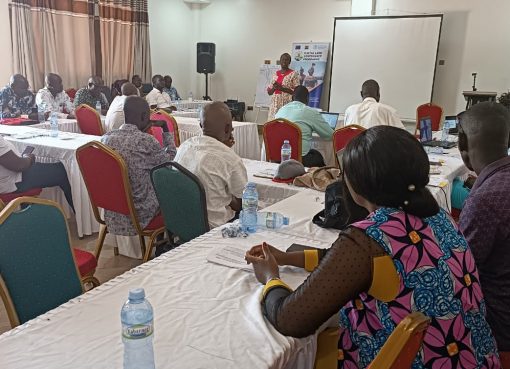
Speaking to journalists during a mentorship meeting organised by the Kilifi County Department of Health through the Stawisha Pwani project, Kadzo said the training had helped her appreciate the importance of working closely with health facilities.
Timothy Kalume Koi, another traditional herbalist, said the partnership and training had encouraged him to refer clients to the nearest health facility for specialised assessment whenever necessary.
“Mostly, when a client comes to me up to three times with the same issue, I refer them to the nearest hospital because it is only there where they can receive specialised treatment,” he said.
The traditional healers said they were particularly referring pregnant women and patients with chronic conditions to health facilities, citing the risks associated with delayed treatment.
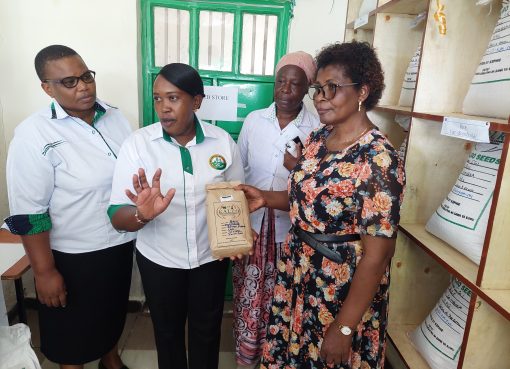
Ganze Sub-county Public Health Officer, Ali Shehi, said the initiative was prompted by concerns over pregnant women delaying or missing antenatal care after initially seeking treatment from traditional herbalists.
“We discovered that women, especially pregnant mothers, either begin their clinics late or visit hospitals when they are due to deliver because of relying on traditional herbalists, hence risking the unborn child,” he said.
Shehi said collaboration between formal health facilities and traditional healers, who are often the first point of contact for patients, would help ensure people receive safe and timely medical services while strengthening community-based healthcare referral networks.
He said the partnership had contributed to an increase in the number of patients, particularly pregnant women, visiting health facilities.
“Through our partnership, the number of patients, especially pregnant women, visiting health facilities has risen eventually leading to a lower mortality rate,” he said.
Stawisha Pwani Project Kilifi County Officer-In—Charge, Stellah Ngare, said the rising number of women defaulting on clinic visits had prompted stakeholders to adopt a multisectoral approach to address prevention of mother-to-child transmission of HIV and other illnesses at the grassroots.
“We developed a Multisectoral approach whereby we discussed why our mothers are not coming to our clinics on time, late interventions and why our mothers are defaulting their clinics. So, we engaged traditional herbalists so as to find an amicable solution,” she said.
Ngare said involving traditional practitioners was important because of their close links with communities and their role as the first point of contact for many patients.
The health officials urged more traditional medicine practitioners to embrace the referral model and work closely with health facilities to improve healthcare outcomes.
They said the approach could help reduce delays in seeking treatment, promote early detection of serious illnesses and strengthen trust between communities and formal healthcare providers.
They also raised concerns over some traditional practices, including the use of blunt instruments to perform procedures, saying such practices could increase the risk of disease transmission.
The partnership is aimed at ensuring traditional medicine practitioners complement, rather than compete with, conventional healthcare services by providing an effective referral pathway for patients in remote areas.
The initiative brings together the Kilifi County Government, LVCT Health through the Stawisha Pwani project and other health partners in an effort to strengthen primary healthcare in Kilifi County.
By Stephen Mrira