Gilgil Sub-County Hospital is set for a major expansion after the national government announced plans to upgrade the facility into a 300-bed Level 5 County Referral Hospital.
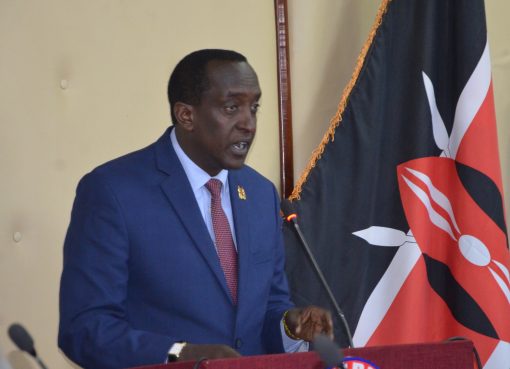
Health Cabinet Secretary Aden Duale announced the proposed upgrade, which is expected to expand access to specialised healthcare for residents of Gilgil and surrounding areas.
The development will include at least 16 Intensive Care Unit (ICU) beds and 10 High Dependency Unit (HDU) beds, alongside modern diagnostic and treatment equipment.
It will also expand the range of specialised services available at the facility, reducing the need for patients to travel to higher-level hospitals for complex medical care.
The announcement follows months of engagement between the Nakuru County government and the national government on the proposed investment.
Governor Susan Kihika said the county is now approaching the final stage of signing an Intergovernmental Partnership Agreement before construction begins.
She said the partnership with President William Ruto, the Ministry of Health, and other national government agencies had helped advance the hospital upgrade.
The proposed development comes as Kenya continues to decentralise specialised healthcare and strengthen referral systems under its Universal Health Coverage agenda.
The Ministry of Health says functional Level 4 and Level 5 hospitals have now been established across all 47 counties. It says devolution has helped bring specialised services closer to communities.
Kenya’s health system classifies Level 5 facilities as secondary referral hospitals, which provide specialised services to larger populations. Level 6 facilities handle the country’s most complex tertiary and national referral services.
The proposed Gilgil facility would therefore add capacity to Nakuru’s secondary referral network while complementing existing services at Nakuru County Referral and Teaching Hospital.
The Kenya Master Health Facility Registry lists Nakuru County Referral and Teaching Hospital as a Level 5 facility with 1,129 inpatient beds, including 861 general beds, 250 maternity beds, six ICU beds, and four HDU beds.
The planned expansion in Gilgil is also significant against the wider national challenge of congestion at specialised hospitals.
The Ministry of Health says Kenya continues to experience high demand for specialised services and self-referrals to higher-level facilities. This has contributed to congestion, delays, and inefficiencies in care.
The government is consequently developing a Kenyan Healthcare Referral Policy to establish clearer referral pathways and improve coordination between different levels of care.
The policy is intended to improve patient transfers, reduce waiting times, and ease pressure on specialised hospitals.
The Gilgil project aligns with this national direction by increasing the number of patients who can receive specialised services within Nakuru County.
The proposed ICU and HDU capacity will also strengthen the county’s ability to manage critically ill patients closer to their communities.
Kenya’s Ministry of Health guidelines identify ICU capacity, operating theaters, inpatient services, and maternity care among the requirements associated with Level 5 referral hospitals.
The national government has also been expanding specialised healthcare infrastructure in other counties.
In December 2025, Duale launched a five-bed ICU and a 14-bed private amenity ward at Chuka Level 5 Hospital in Tharaka Nithi County as part of efforts to expand specialised care.
The Ministry has separately been working with the African Development Bank on proposed Level 6 referral and teaching hospitals in Bungoma and Kericho.
The projects are intended to decentralise highly specialised services and reduce long-distance referrals.
For Nakuru, the Gilgil upgrade is expected to strengthen the county’s referral system while improving access to specialised treatment for communities in the northern parts of the county.
The project will also complement ongoing investments in primary healthcare by creating a stronger referral destination for patients requiring advanced medical attention.
Governor Kihika said the county would continue working with the national government to ensure the proposed agreement is concluded and implementation moves to the construction phase.
The planned 300-bed facility is therefore expected to become an important component of Nakuru’s healthcare infrastructure, bringing specialised services closer to residents while supporting Kenya’s broader push for equitable and accessible healthcare.
By Jefther Simeon Afuyo and Esther Mwangi