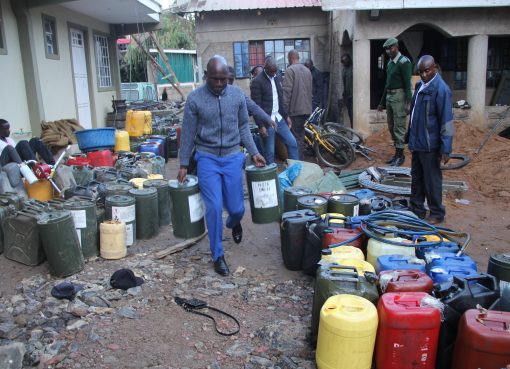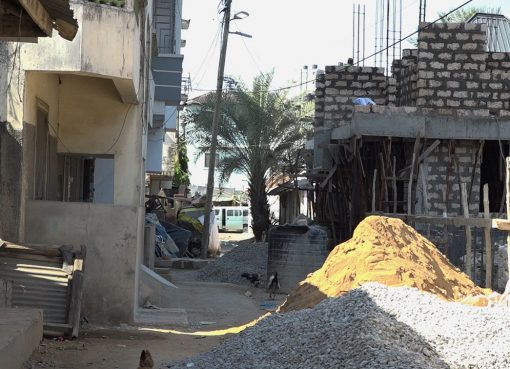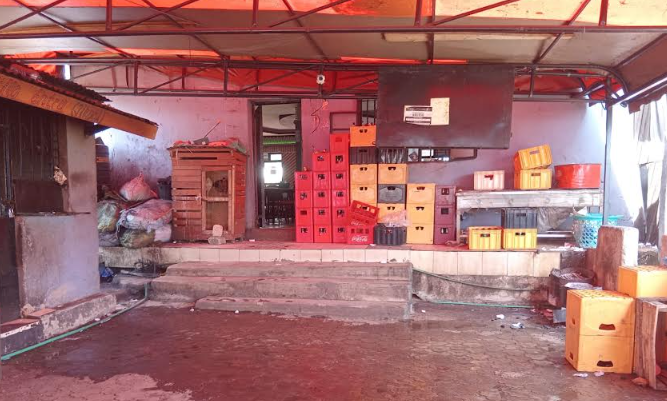
A security guard was killed during a robbery incident on Sunday night, June 14th, at a local entertainment joint in Migori Town.
During the incident, property including television screens, a sound system, and other valuables valued at approximately Sh600,000 was stolen.
According to the bar owner, Mr. Philip Omondi, he was informed by a cleaner early Monday morning that there had been a break-in at the premises and that one of the night guards had been found dead.
Mr. Omondi said that upon arriving at the scene, he found the guard tied up and brutally murdered.
“I was informed by my cleaner today morning that he had found our night guard dead and the business premises broken into,” said Omondi.
He appealed to security agencies in Suna East Sub-County to intensify security operations and expedite investigations into the robbery incident.
Mr. Omondi also urged the police to address the increasing cases of robberies in the town, noting that such incidents appear to be on the rise.
A Migori town resident, Mr. Boy Osire, described the incident as unfortunate, saying residents were increasingly concerned about their safety within the Central Business District.
“How can people feel safe when someone is killed in the heart of the town where security should be guaranteed?” he posed.
Mr. Osire attributed the rising crime cases partly to unemployment among the youth and challenged young people to engage in lawful income-generating activities instead of turning to crime.
Contacted, Suna East Sub-County Police Commander Ms. Harriet Heilley confirmed that police had launched investigations and arrested five suspects.
“We currently have five suspects in custody who are assisting police with investigations,” said Ms. Heilley.
She urged business owners to install and maintain functional CCTV surveillance systems to enhance security and aid investigations.
Ms. Heilley further advised business operators in Migori Town and the wider Suna East area to install adequate security lighting around their premises to help deter criminal activities.
By Polycarp Ochieng and George Agimba