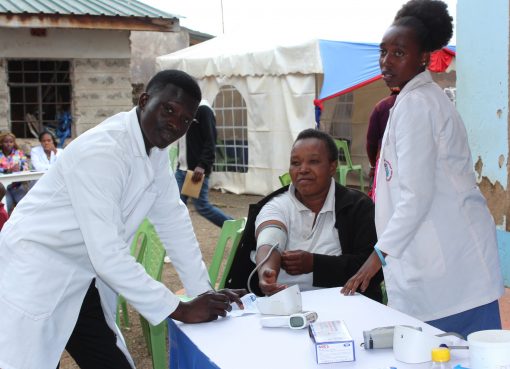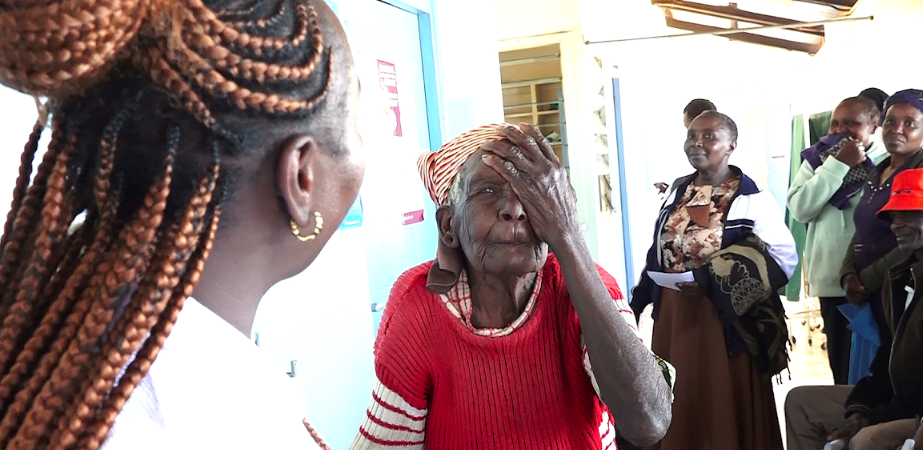
Health experts in Embu County have appealed to local residents to adopt a proactive health-seeking lifestyle to curb rising cases of life-threatening complications resulting from delayed diagnosis.
The health experts particularly asked the locals to be on the lookout for non-communicable diseases (NCDs) such as hypertension, diabetes, and cancers that usually present no signs during the early stages.
County Head of Primary Health Care, Dr. Mercy Wanjala, said early screening and testing remain the most effective defense against these “silent killer” ailments that are on the rise.
Speaking on Wednesday at Kianjokoma Sub-County Hospital in Runyenjes Constituency during the second round of the Madaktari Mashinani (Doctors at the Grassroots) programme, Dr. Wanjala said early diagnosis helps manage the ailments easily rather than handling the full-blown diseases that require urgent intensive care.
“When we diagnose the condition early, we are able to treat it on time,” she said, noting that taking action late means that the patient might end up needing more intense medication or a major surgery.
She said they will also scale down screening outreaches from the sub-county to the ward level to reach more people and catch these silent chronic diseases early.
Additionally, the doctor advised locals to take advantage of the Madaktari Mashinani initiative, especially those who have been having health issues for a long time but have been unable to be attended to due to distance and cost implications.
“This programme has been designed to reach those rural folks who have been suffering in silence so that they can have that long-standing health issue addressed, and we start them off at a specialist clinic where they will be seen regularly,” she said.
The Hospital Board of Management Chair Samuel Njagi termed the initiative a godsend, saying addressing these chronic illnesses early enough will in the long run increase the life expectancy of many people.
“This programme should also be supported through appropriation of the necessary budget from the county government through the county assembly to ensure sustainability,” Njagi said.
Beneficiary Kariuki Njeru, who had brought his wife for imaging services, said he was satisfied with the program that had finally enabled him to diagnose the condition of his wife.
“I was contemplating traveling to Kenyatta National Hospital for the imaging service, but through this program, I have been able to get it done here close to home,” he said.
Through the initiative, residents are also being assisted to register with the Social Health Authority (SHA) that is taking care of the bills.
By Samuel Waititu