The County Government of Kakamega is in the process of finalising the Kakamega County Sustainable Waste Management Bill, 2026, aimed at promoting proper waste management and facilitating the transition from crude dumping to a circular economy.
The framework seeks to establish a strong legal and regulatory foundation for modern waste management, including waste reduction, segregation, recycling, recovery and safe disposal, while aligning county practices with national environmental laws.
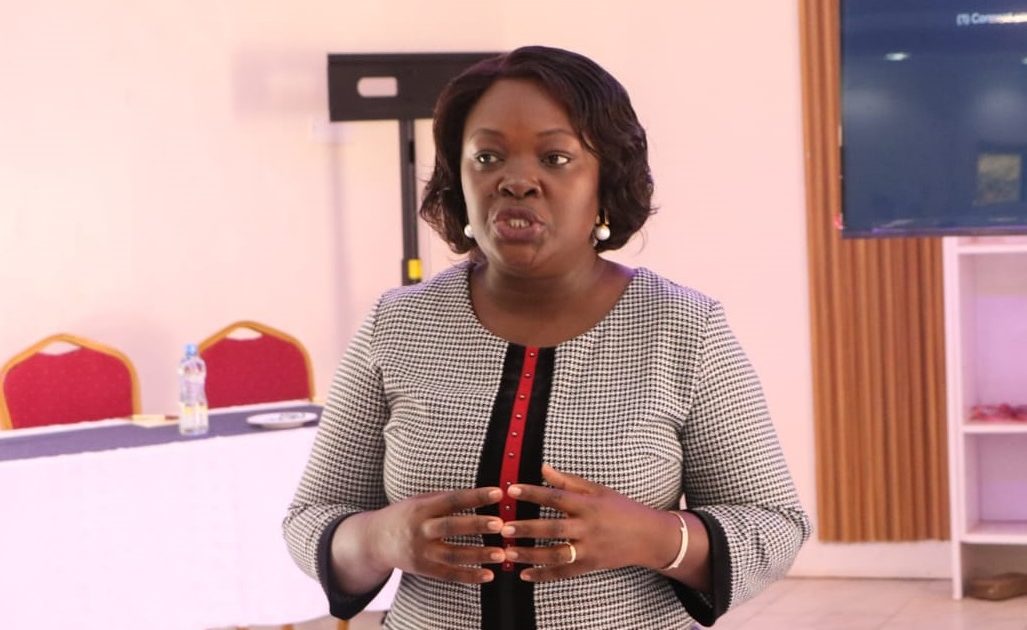
According to the County Executive Committee Member for Water, Environment, Natural Resources and Climate Change Peninah Mukabane, the Bill is being developed to domesticate the national waste management framework while addressing the specific waste management needs of the county.
Mukabane was speaking at a hotel in Kakamega town during a stakeholder’s forum that sought to review, harmonise and finalise the proposed legislation.
The Bill is currently at the draft zero stage but expressed hope that it will progress to draft one after stakeholder consultations before moving to the Cabinet subcommittee stage and subsequently to the County Assembly in accordance with the law.
She said finalisation of the legislation will help deliver better waste-management services to residents, noting that it will create an enabling environment for investors, particularly in inorganic waste management, and attract more players into the waste value chain.
Mukabane said the county had already developed a draft zero of the bill with support from Practical Action – an organisation working in the waste management sector.
“Once enacted into law, the proposed legislation will improve efficiency and effectiveness in handling waste while creating an enabling environment for development partners, donors and private investors to participate in the waste management sector,” she said.
She disclosed that the county already has an investor using inorganic waste to produce fertiliser and other products but noted that more investors are needed to utilise inorganic waste, which she described as the county’s biggest waste management challenge due to the limited number of off-takers.
Mukabane noted that the county is also expected to conclude the development of its environment policy, the County Environment Action Plan and the State of the Environment report.
Chief Officer for Environment Bill Silingi called for continued collaboration among stakeholders, saying the county government is committed to developing a practical and enforceable framework that will turn waste management into an opportunity for environmental protection, resource recovery and economic development.
County Attorney Vivian Mmbaka, who guided stakeholders through the draft, emphasized on the need for the proposed legislation to comply with the Constitution, national environmental laws and other relevant legal instruments.
She urged stakeholders to harmonise the provisions and incorporate views from the consultative process before the bill proceeds to the next legislative stages.
She said the legislation seeks to change the perception of waste by treating it as a resource that can generate economic opportunities.
“Through this Bill, we want to ensure that we are onboarding all the stakeholders in matters relating to waste in the county so that we can have a circular economy,” she said.
Mmbaka added that value addition to segregated waste will not only improve waste management, but it will also create employment opportunities for residents through activities associated with recycling and other forms of waste recovery.
By Annlinda Simiyu and Shilla Nicolle Akinyi