The government is stepping up efforts to unlock investment in Kenya’s circular economy following completion of a nationwide Rapid Assessment Mission aimed at identifying viable investment opportunities, financing gaps and scalable solutions across the country.
The assessment, undertaken by the State Department for Environment and Climate Change in collaboration with the United Nations Development Programme (UNDP), will inform the development of Kenya’s National Circular Economy Programme (NACIP) and support the creation of a national pipeline of bankable circular economy investments.
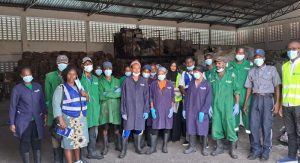
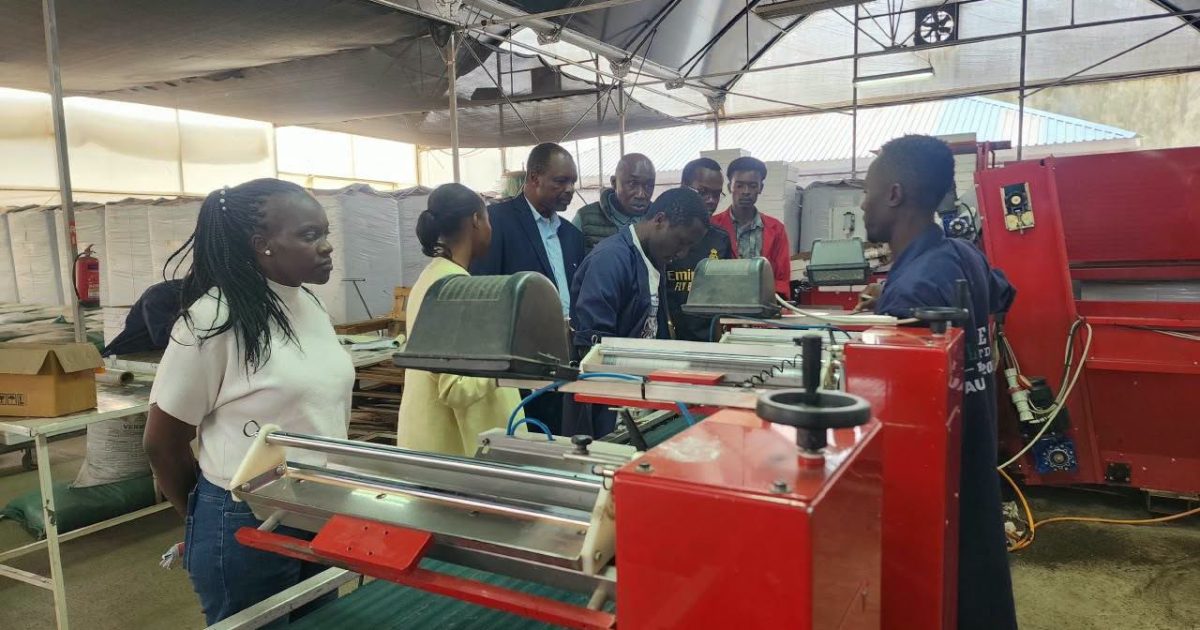
The State Department team, led by Environment Secretary Dr. Selly Kimosop, brought together multidisciplinary technical teams to assess circular economy and waste management infrastructure, existing investments, technological capacity, and emerging opportunities across the counties.
Throughout September 2026, the teams engaged county departments responsible for environment, climate change, and trade; municipal managers; and private-sector actors and innovators to gain insights into opportunities and challenges at the grassroots level.
Counties visited included Mombasa, Kilifi, Lamu, Meru, Isiolo, Nyeri, Laikipia, Machakos, Kajiado, Nairobi, Kiambu, Nakuru, Uasin Gishu, Trans Nzoia, Kakamega, Busia, Kisumu, and Kisii.
The visits enabled the technical teams to assess initiatives on the ground and gain a better understanding of county-specific investment opportunities and implementation challenges.
The mission also explored various circular economy initiatives, including material recovery facilities, plastic recycling plants, e-waste management facilities, reuse and repurposing enterprises, organic composting and fertilizer businesses, and waste-to-energy projects.
Beyond assessing existing infrastructure and investment pipelines, the mission mapped promising value chains, identified priority investment opportunities, and documented financing, infrastructure, operational, and logistical gaps that could hinder expansion of circular economy enterprises.
The findings will guide the development of a robust national investment pipeline and strengthen engagement with development partners, financial institutions, investors, and the private sector.
Through NACIP, Kenya seeks to connect viable circular economy opportunities with catalytic finance, technology, and strategic partnerships to scale proven solutions, stimulate green enterprises, and create sustainable employment opportunities.
The initiative forms part of Kenya’s broader transition towards a resource-efficient, circular, and inclusive green economy, where materials remain in productive use for longer, waste is reduced and economic value is generated while protecting the environment.
By Michael Omondi