The Ministry of Foreign and Diaspora Affairs has initiated a comprehensive review of Kenya’s international engagements to ensure that diplomacy delivers tangible benefits to citizens through increased investment, job creation, technology transfer, and sustainable development.
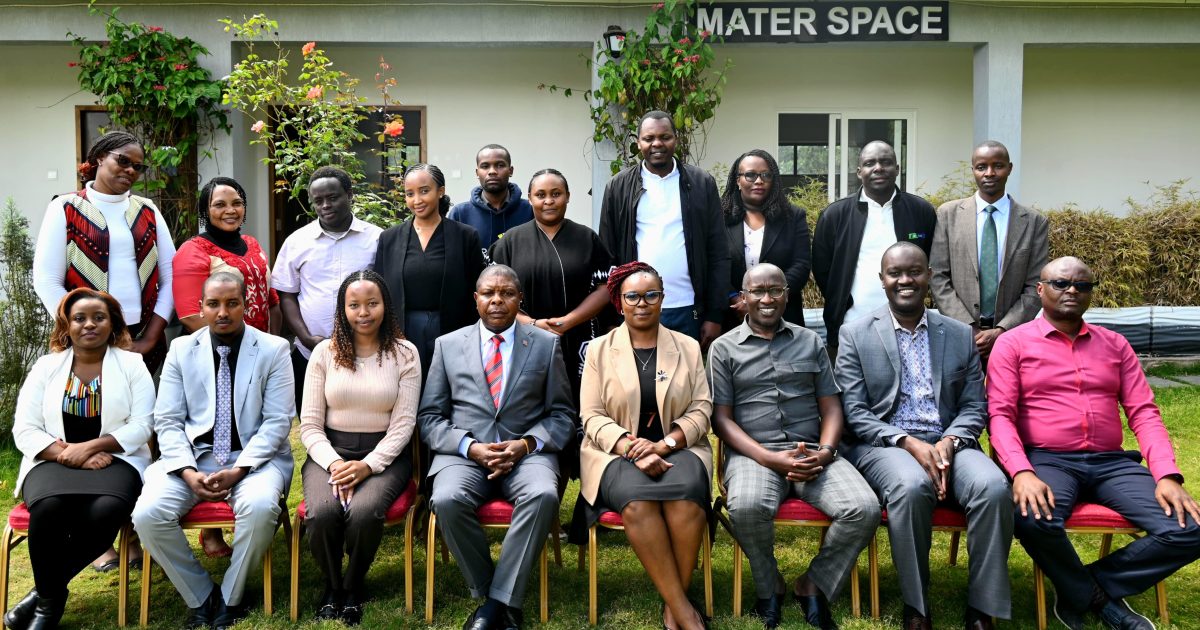
The review is being undertaken through the Foreign Outcomes and Deliverables Review Retreat 2026, which brings together senior government officials and technical experts to assess how Kenya’s bilateral, regional, and multilateral engagements are contributing to national development priorities and improving livelihoods.
Speaking during the retreat held in Machakos, Director-General for Political and Diplomatic Affairs Ambassador Josphat Maikara emphasized the need to shift focus from diplomatic activities alone to measurable development outcomes.
He noted that the success of Kenya’s foreign policy should not only be assessed through signed agreements or high-level meetings, but also through the real economic and social benefits generated for citizens, including expanded markets, employment opportunities, investment inflows, and improved standards of living.
Ambassador Maikara called for a structured reporting framework that tracks commitments from negotiation to implementation, ensuring accountability and demonstrating how international partnerships support Kenya’s socio-economic transformation agenda.
The review process aligns with key national policy frameworks, including the Bottom-Up Economic Transformation Agenda (BETA), Kenya Vision 2030, the Foreign Policy Framework 2024, and Sessional Paper No. 1 of 2025. These frameworks guide the government’s efforts to align diplomacy with national development priorities.
Among the key focus areas under assessment are investments and partnerships secured through State visits, bilateral agreements, and multilateral cooperation. Special attention is being given to sectors that have a direct impact on citizens’ livelihoods, including agriculture, renewable energy, infrastructure, industrialisation, technology, and labour mobility.
The retreat is evaluating initiatives supporting climate-smart agriculture, irrigation, water harvesting, and food security, which are aimed at increasing agricultural productivity and strengthening resilience to climate change.
It is also reviewing progress in green energy investments designed to expand access to affordable and reliable electricity, support industrial growth, and improve energy access for households and businesses across the country.
Infrastructure projects arising from Kenya’s international partnerships, including airport modernisation, port expansion, transport corridors, and railway connectivity, are also under review. These projects are expected to enhance regional integration, improve trade efficiency, and stimulate economic growth.
In the digital sector, the assessment focuses on efforts to attract investment in innovation ecosystems, digital infrastructure, and emerging technologies, as Kenya positions itself as a regional hub for technology and entrepreneurship.
Diaspora engagement remains a critical component of Kenya’s foreign policy. The review is examining labour mobility agreements and skills partnerships that have created employment opportunities for Kenyan professionals abroad, while also strengthening contributions from the diaspora through remittances, investments, and knowledge transfer.
Officials noted that Kenya’s growing international profile has strengthened its influence in regional and global affairs, particularly on issues such as trade, climate change, peacebuilding, and sustainable development. However, the Ministry stressed the importance of ensuring that such engagements translate into measurable benefits for citizens.
Participants at the retreat have been tasked with producing a comprehensive report capturing completed deliverables, tracking ongoing initiatives, identifying emerging opportunities, and highlighting implementation challenges. The report is expected to strengthen accountability and guide future diplomatic engagements.
Director of the Central Planning and Project Monitoring Department, Ms Dorothy Mwera, who moderated one of the sessions, guided discussions on consolidating findings and finalising the review report.
Ambassador Maikara reiterated that Kenya’s diplomacy must remain results-oriented and citizen-focused, ensuring that international engagements directly contribute to inclusive growth and national prosperity.
He added that the Ministry is committed to strengthening coordination, monitoring, and evaluation systems to ensure that every diplomatic engagement delivers measurable value to Kenyans.
The Machakos retreat marks a continued effort by the government to align foreign policy with development priorities and ensure that diplomacy serves as a practical tool for national transformation.
by Hassan Adan Ali