Boda boda operators in Kericho County are increasingly embracing electric motorcycles as rising fuel costs and the push for clean energy reshape the transport sector. The transition is gaining momentum among riders seeking to cut operating expenses and boost daily earnings, with many reporting that electric bikes provide a more affordable and efficient alternative to petrol-powered motorcycles.
A spot check conducted by KNA in the outskirts of Kericho town, including Litein town in Bureti Sub- County, revealed a growing presence of electric motorcycle taxis along busy routes. Within minutes, several of the bikes were observed ferrying passengers and goods, signalling a gradual but noticeable shift in the region’s boda boda industry.
Operators who have already adopted the new technology said the benefits are evident in both performance and cost savings. Bernard Tonui, a rider operating along the Kericho town service route, said he decided to purchase an electric motorcycle after receiving positive feedback from fellow operators who had already made the switch.
Tonui explained that he conducted a one-day test run before committing to the purchase and was impressed by the bike’s power, efficiency and minimal maintenance requirements. According to him, the experience confirmed that electric motorcycles are a practical solution to the challenges posed by fluctuating fuel prices.
“I decided to buy an electric motorcycle after hearing positive feedback from my fellow riders already using them. With the rising fuel costs, I think this electric bike is the way forward,” said Tonui. “The bike can cover up to 100 kilometres on a full charge, and it costs about Sh275 to recharge when the battery is depleted.”
He compared this with his 12-year-old petrol-powered motorcycle, which consumes about Sh400 worth of fuel to cover only half that distance, in addition to requiring frequent servicing and oil changes. Tonui noted that the savings have significantly reduced his daily expenses, allowing him to retain more of his earnings. He now plans to use his petrol motorcycle only for light duties around his farm.
Another rider, Alfred Makori, who has owned an electric motorcycle for two weeks, also expressed satisfaction with his investment. Makori said the global shift towards clean energy influenced his decision, alongside the need to improve his income.
He reported that the electric bike has nearly doubled his daily earnings, citing reduced operating costs as a key factor. “I recharge my electric bike after covering between 80 and 100 kilometres over two days. Within that period, I have already made enough profit, including the cost of recharging the battery,” he said.
Makori explained that before acquiring the electric motorcycle, he earned about Sh700 per day. However, he now earns up to Sh1,200, attributing the increase to lower expenses and improved efficiency. Previously, he would travel around 40 kilometres daily using nearly two litres of petrol. With the electric bike, he now covers up to 90 kilometres over two days at a recharge cost of about Sh240.
“With petrol prices currently at around Sh 194 per litre, I have every reason to smile,” he added.
Despite the advantages, Makori noted that he still uses his six-year-old petrol motorcycle for night operations within Kericho town, mainly due to concerns about access to charging facilities during late hours. He emphasized the need for expanded infrastructure to support the growing number of electric bike users.
Makori pointed out that electric motorcycles offer more predictable and consistent earnings because the primary operating cost is charging the battery. In contrast, petrol motorcycles are prone to various mechanical issues, including spark plug failure, clutch cable problems, and fuel contamination, all of which can reduce profit margins.
“With the electric motorbike, the main expense is the cost of charging,” he said. “Petrol bikes come with a range of issues that can significantly affect operations, especially with the constant fluctuations in fuel prices.”
He called on stakeholders to invest in more charging stations, particularly to support riders operating at night, noting that reliable access to power would further accelerate the adoption of electric motorcycles.
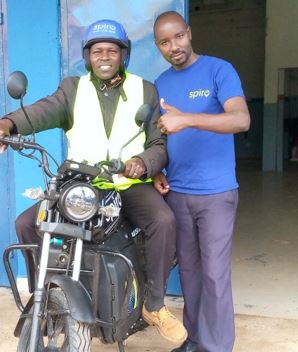
A sales agent with Spiro Company, Aaron Koech, said the firm has been operating in Kericho for one month and has already sold 20 electric motorcycles to boda boda operators across the county. He noted that the company is keen to expand its presence as demand continues to grow.
Koech explained that the electric bikes are designed to be both affordable and environmentally friendly, making them attractive to riders seeking to reduce costs and contribute to sustainability efforts. He added that flexible payment plans have made it easier for operators to acquire the motorcycles.
“The electric bikes are significantly affordable at Sh112,000. They can also be purchased on credit by depositing Sh25,000 and paying weekly installments of Sh1,924 over 18 months,” said Koech.
He further explained that the battery takes about four hours to fully charge, with the motorcycle dashboard displaying battery levels to help riders monitor usage and plan recharging. The company has established five branches in Kericho County, including one in Kericho town along Isaac Salat Road, as well as outlets in Kapsoit, Kiptere, Kapkatet, and Sosiot towns.
Koech added that riders have the option of visiting the company’s offices to swap depleted batteries for fully charged ones at a cost of Sh275, enabling them to continue working without long waiting periods.
The growing adoption of electric motorcycles in Kericho follows a nationwide rollout of e-mobility initiatives launched by President William Ruto in September 2023. The programme aims to promote the use of electric motorcycles across the country as part of broader efforts to reduce fuel costs, lower carbon emissions, and create employment opportunities for young people.
Stakeholders say the shift towards electric mobility represents a significant step in transforming Kenya’s transport sector, particularly in the informal boda boda industry, which plays a critical role in providing livelihoods and last-mile connectivity.
However, they emphasize that sustained investment in charging infrastructure, public awareness, and policy support will be essential to ensure the long-term success of the transition. As more riders in Kericho County embrace electric motorcycles, the region is emerging as a key example of how clean energy solutions can drive economic and environmental benefits at the grassroots level.
By Sarah Njagi