Kiambu County is reviewing its alcoholic drinks control law to strengthen enforcement against illegal alcohol sales, introduce tougher penalties for prohibited traditional liquor and improve inspection procedures.
The County Director of Liquor Licensing Michael Kang’ethe, speaking to Kenya News Agency, said the proposed amendments would address gaps identified during enforcement and strengthen collaboration between county officials and national government administrators.
“We have sat down with the national government and judiciary. We want an instance where county inspection committees revert to sub-county inspection committees so that the deputy county commissioners and assistant county commissioners can participate,” Kang’ethe explained.
He said the current ward-level arrangement limited the participation of senior administrators in inspection exercises, raising concerns about the effectiveness of enforcement.
Additionally, the liquor licensing director noted that they were seeking the county assembly’s approval to introduce hefty penalties to culprits.
“We are also introducing some heavy penalties for the sale of traditional liquor in places where it is not supposed to be sold, like ‘muratina’, which has found itself in our bars, and it has become a problem for us. Anybody found selling these drinks, action is taken against them,” he added.
The proposed changes would also seek to shorten the time taken to lodge and process public complaints against liquor outlets, in a move aimed at strengthening accountability in the licensing and enforcement process.
These reviews come at a time when the National Police Service is undertaking the Operation Maliza Pombe Haramu, Rapid Results Initiative Phase II, which involves an intensified crackdown on illicit alcohol and drug substances.
A report compiled by the County Commissioner George Matundura’s office recorded 267 cases and 443 people arrested across eight sub-counties.
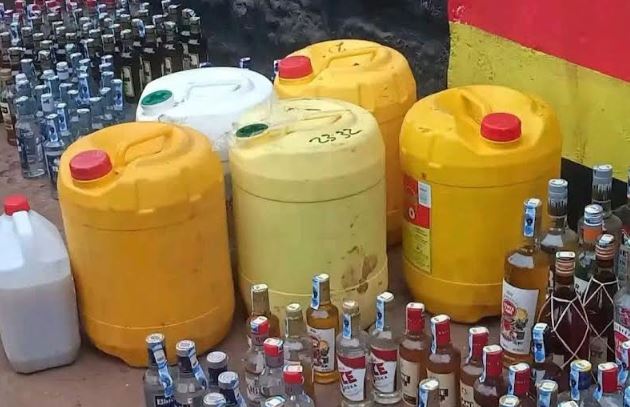
The figures also indicated 2,075 rolls of bhang, 256 litres of chang’aa, 3,334 pieces or bottles of second-generation spirits and 10,000 litres of ethanol were recovered over the past one month.
Kang’ethe disputed claims that unlicensed liquor outlets were widespread, saying the county had achieved about 95 per cent compliance among liquor operators.
“The ones who were denied licences are the rogue ones. The arrests we are making in a day are close to 5 in the whole county, and these are issues of compliance mostly,” he said.
Rural areas are leading in compliance, particularly in Lari, Githunguri, Gatundu North and Gatundu South, with urban centres such as Githurai, which borders Nairobi County, posing compliance challenges.
In conclusion, the liquor licensing director asserted that an effective crackdown on alcohol and drug abuse was a multi-stakeholder responsibility.
“I would call on the community to tell us which members or operators should not be awarded licences. Come, tell us I believe this is the way to reduce the number of licensed outlets in this particular area.’ With the growing population, Kiambu moving to a 24/7 economy, and more people, there are more people delving into the liquor business. These are Kenyans making investments; they have read the law, and so we cannot just deny them licences.” he said
Meanwhile, Kiambu County is currently reviewing liquor license applications, ahead of renewals for the coming year.
By Rose Muthoni