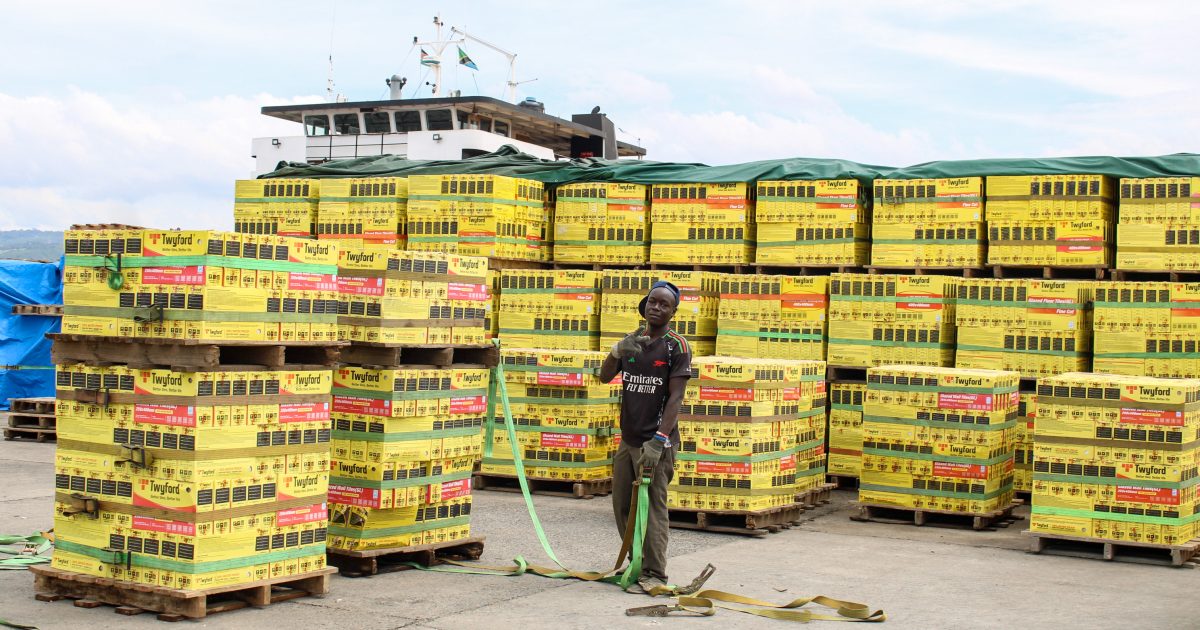
Kisumu Port is on course to handle more than 700,000 metric tonnes of cargo in 2026, riding on a surge in regional trade and expanding commodity flows, that are steadily redefining shipping on Lake Victoria.
Port Manager, Cargo Services, Patrick Makau, said the Lake Port recorded 459,601 tonnes in 2025, with early 2026 figures pointing to accelerated growth driven by petroleum exports and increased intra-regional trade.
In an interview with KNA at his Port office, Tuesday, Makau said the upward trajectory reflects growing demand for lake transport across East Africa.
“The Port has been very impressive in terms of cargo handling. The growth has been very steady. Our projection for this year, 2026, is to hit over 700,000 tonnes because all indications are that there is a lot of business within the East African region,” he said.
Petroleum exports, he said, remain the backbone of the Port’s operations, supported by twice-weekly tanker voyages to Uganda aboard vessels such as MV Uhuru II, serving key destinations including Jinja and Port Bell.
Additional capacity has been injected through larger vessels such as MV Mpungu, capable of carrying up to 1,000 tonnes per voyage, alongside smaller crafts handling a range of goods.
Makau said the Port is also witnessing diversification of cargo, including ceramics, steel products and heavy machinery exports such as excavators and mining equipment destined for regional markets.
“We also have some heavy equipment which we’ve been exporting, particularly mining equipment and excavators destined for Tanzania,” he said, adding that the broader cargo mix, is strengthening the Port’s position as a regional logistics hub.
The increased activity, he said, is reflected in vessel traffic.
From just 10 vessels recorded in 2017, he said, Kisumu handled 124 vessels in 2025, with current monthly averages ranging between 25 and 30 calls.
“In 2017, the whole year, we only received 10 vessels. Last year, the total number was 124 and on average now we are having between 25 to 30,” Makau said.
Cargo throughput in the First Quarter of 2026 reached 145,753 tonnes, marking a 46 per cent increase compared to a similar period last year.
In March this year alone, he said, the Port recorded 26 vessel calls, up from 23 in February and 18 in March 2025.
According to Makau, the Port’s resurgence has been anchored on sustained investments by the Kenya Ports Authority (KPA), including expansion of the quay from 262 metres to 392 metres, dredging works to improve vessel draft and upgraded cargo handling infrastructure.
Makau said ongoing works to deepen berths and remove silt, particularly around the Kenya Pipeline jetty, will enable the Port to handle more vessels efficiently.
Other projects include construction of a passenger terminal, development of a dedicated access road linking the Port to the regional highway network, and installation of modern navigation aids across the Lake in partnership with TradeMark Africa.
Integration of Meter Gauge Rail into the Port yard and plans to introduce oil wagons are also expected to ease cargo movement and reduce pressure on road transport.
“These are the kinds of investments confirming preparedness for the booming business,” Makau said.
Beyond cargo, he said, the Port’s expansion is supporting broader economic activity across the Lake Victoria basin, including fisheries, tourism and inter-county trade.
With plans to handle-up to 4,000 TEUs as containerized lake transport gains traction, Makau said Kisumu is rapidly consolidating its role as a critical inland gateway linking Kenya, Uganda and Tanzania.
By Chris Mahandara