The waiting area outside the Mental Health Clinic at Vihiga Teaching and Referral Hospital (VTRH) is quiet, yet every patient seated there carries a story that is rarely told.
Some are accompanied by anxious family members, others sit silently, waiting for their turn to meet specialists who have become a source of hope in their recovery journey.
Behind every consultation room is a battle against depression, anxiety, psychosis, stress, and other mental health conditions—battles often fought in silence because of stigma, fear and widespread misconceptions surrounding mental illness.
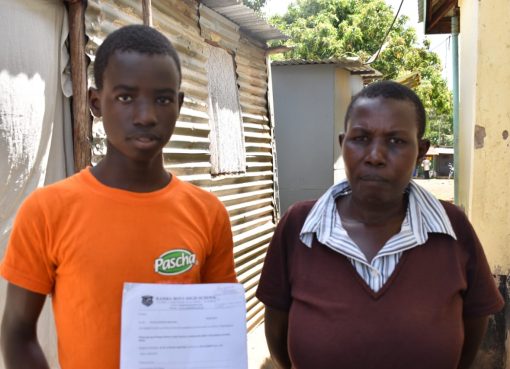
Among those waiting for review is 19-year-old Isaac Chabeda from Busamu Village in Vihiga County.
Seated beside his mother, Margaret Kadara, Isaac appears calm and composed. Looking at him today, it is difficult to imagine that just over a year ago his family feared they were losing him to a condition they could neither understand nor explain.
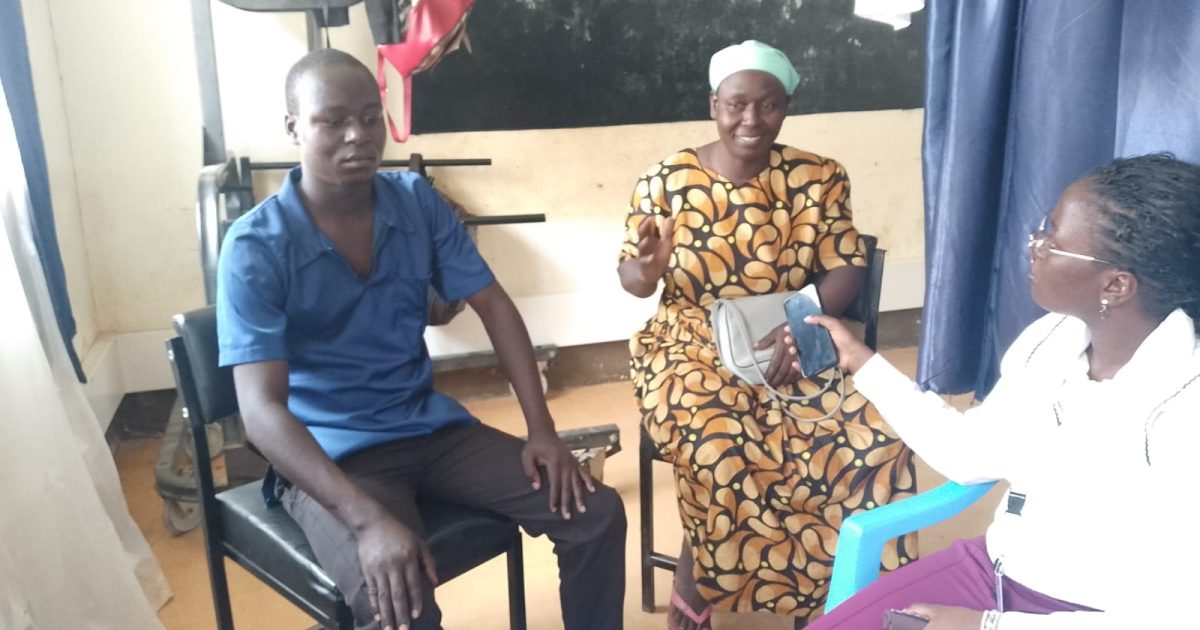
Speaking to the Kenya News Agency (KNA) during a clinic review at Vihiga Teaching and Referral Hospital, Kadara recounted how her son’s ordeal began in March 2025 while he was in Form Four.
“It all started after he recovered from severe malaria. We thought everything was fine until he began complaining of persistent headaches, dizziness and unexplained stress. At first, we assumed it would pass,” she recalled.
As weeks passed, Isaac’s condition gradually worsened.
“He lost appetite, isolated himself from people and became easily irritated during ordinary conversations. Teachers from his school also started reporting changes in his behaviour.”
Like many parents, Kadara initially struggled to understand what was happening.
“I wondered whether he had started using drugs because his behaviour had completely changed, but he kept denying it and I believed him.”
The turning point came one night when Isaac suddenly became restless, jumping uncontrollably around the house while asleep. The family managed to calm him before seeking medical attention the following morning.
His condition continued deteriorating. He occasionally talked to himself and at one point attempted to jump off a moving motorcycle while travelling with relatives.
The family first sought treatment at Mulele Hospital before he was referred to VTRH where he has continued receiving specialized mental healthcare through medication, counselling and therapy.
Despite the difficult journey, Kadara says the gradual improvement has given the family renewed hope.
“He even managed to sit for his KCSE examinations despite everything he had gone through. Sometimes the symptoms become severe again, but because of the medication, counselling and regular clinics, we are able to manage the situation.”
She says caring for a person living with mental illness demands constant attention.
“I cannot leave him alone because he requires close supervision. The treatment is also expensive and sometimes difficult to sustain.”
Margaret says besides the financial burden, the family has had to endure stigma from sections of the community.
“Some people believe it is witchcraft or a curse instead of understanding that mental illness is a medical condition. That has been very painful for us.”
She nevertheless expressed gratitude to the healthcare workers at VTRH for their commitment and professionalism.
“I appreciate the doctors, nurses and counsellors because they have walked this journey with us. Without them, I do not know where we would be today.”
Kadara appeals to members of the public to stop stigmatizing families affected by mental illness.
“Mental health is real. People should not ignore the signs or judge those affected. They should encourage them to seek medical help early because recovery is possible.”
According to psychologist and counsellor Fredrick Endire, mental health encompasses an individual’s emotional, psychological and social well-being and influences how people think, feel, make decisions and relate with others.
Speaking to KNA during an interview at VTRH, Endire said most of the clients he attends suffer from conditions such as depression, stress and anxiety.
“The common warning signs include withdrawal from social activities, isolation, irritability and frequent anger outbursts,” he explained.
Endire said every patient’s journey begins with establishing trust.
“We first introduce ourselves, build rapport with the patient, conduct assessments and diagnosis before developing an appropriate management plan. Depending on the condition, treatment may involve counselling, therapy sessions and medication.”
He noted that one of the greatest challenges facing mental healthcare is the widespread misconception that mental illness only affects people who are insane.
“Many people deny the problem, ignore the symptoms or associate mental illness with witchcraft or other supernatural beliefs. Because of these misconceptions, many patients delay seeking professional help until the condition becomes severe.”
He added that mental health professionals also face challenges managing patients with severe mood disorders, violent behaviour and poor insight into their condition.
“Another major challenge is inadequate facilities and equipment. We need better resources to enable us to provide comprehensive mental healthcare.”
Despite these challenges, Endire said the greatest motivation for healthcare workers is witnessing patients recover.
“Our joy comes from seeing patients improve, regain stability and return to their families and society.”
Clinical Psychiatrist Wilson Akalla told KNA that mental illness affects people of all ages, although most patients handled at the facility fall between 12 and 45 years.
He said treatment does not end after diagnosis.
“Patients are placed under structured follow-up programmes where we continuously monitor their progress and adjust treatment whenever necessary.”
Akalla noted that specialised mental healthcare remains constrained by inadequate infrastructure.
“We need properly equipped offices for psychology, psychotherapy and psychiatry, admission wards specifically for mental health patients and fully established inpatient and outpatient facilities. Currently, most of our services are offered on an outpatient basis, limiting the kind of care we can provide.”
Senior Nurse Esther Anekaya, who works in the hospital’s mental health unit, told KNA that the facility attends to an average of 250 mental health patients every month.
She said men account for nearly 70 per cent of the patient’s seeking treatment.
“Within Vihiga County, Luanda Sub County records the highest number of mental health cases, followed by Emuhaya and Hamisi.”
According to Anekaya, substance and drug abuse remains one of the leading causes of mental illness, alongside genetic factors, prolonged stress, psychological disorders and congenital conditions such as attention deficit hyperactivity disorder (ADHD) as well as acute psychosis.
She observed that although awareness has improved, stigma continues to discourage many people from seeking treatment.
“In the past, families often hid patients instead of taking them to hospital. We are now seeing encouraging support from religious leaders who sensitize communities, provide counselling and encourage affected families to seek medical care.”
Anekaya appealed to both the county and national governments to prioritize mental healthcare through increased investment.
“We need better infrastructure, adequate equipment, sufficient drug supplies, more specialised healthcare workers, continuous awareness campaigns and financial support for patients because mental healthcare is expensive.”
She also called on healthcare providers to offer holistic treatment.
“Some patients have mental illness alongside other medical conditions. We should never overlook those illnesses simply because someone has a psychiatric condition.”
As awareness of mental health continues to grow, healthcare professionals agree that early diagnosis, timely treatment, community support and public education remain the strongest tools in reducing the burden of mental illness.
For Kadara, however, the greatest hope lies in seeing her son regain his future.
“I believe one day he will fully recover and continue pursuing his dreams. My prayer is that society will understand that mental illness is not witchcraft or a curse but a condition that requires compassion, understanding and professional medical care.”
As Chabeda quietly waits for his next appointment, his story echoes those of many other families across Vihiga County who continue to battle mental illness away from public view.
Their experiences serve as a reminder that behind every diagnosis is a person deserving dignity, support and hope—and that breaking the silence surrounding mental health could be the first step towards healing both individuals and communities.
By Kelly Barasa