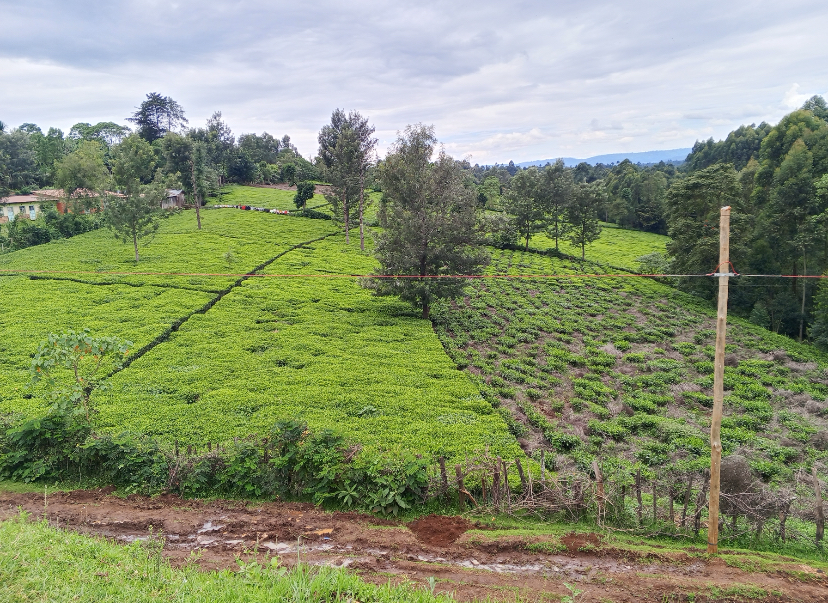
For 32-year-old budding farmer, Victor Yegon from Kapmachumo in Bureti Sub-county, ponders the decision over what to do with his half-acre tea farm, as it is becoming increasingly difficult to eke out a living.
Like many other young farmers in Kericho’s tea-growing belt, Yegon is weighing whether to retain the crop that sustained his family for decades, or uproot it in favour of avocado farming, which many in the region now view as a more lucrative alternative.
Standing beside rows of mature tea bushes planted by his parents more than two decades ago, Yegon says the once dependable crop is no longer guaranteeing predictable returns.
“I grew-up seeing tea educate children and build homes, but today things are different. The cost of labour, fertilizer and maintenance keeps rising, while earnings remain uncertain. I am seriously considering replacing part of it with avocado trees,” he says.
His dilemma mirrors a broader shift among young farmers across Bureti, where sections of tea farms are increasingly giving way to Hass avocado seedlings, fodder crops and horticulture.
For many growers with less than one acre, the economic arithmetic is becoming harder to justify.
Tea requires year-round maintenance, frequent plucking and constant input application, yet many farmers say the margins of profit are gradually shrinking.
By contrast, avocado farming, buoyed by strong export demand, is attracting younger farmers seeking quicker and potentially higher returns.
Recent data from agricultural extension officers indicate that a mature half-acre avocado orchard under proper management, can fetch significantly higher seasonal returns than a similar tea acreage, depending on market access and fruit quality.
The growing attraction to diversification has not escaped the attention of national agriculture officials.
Agriculture Principal Secretary (PS), Dr. Kipronoh Ronoh, has repeatedly urged tea farmers not to abandon the crop, insisting that the ongoing reforms will restore profitability.
“Farmers should not uproot their tea bushes. Instead, we will uproot the cartels,” Dr. Rono said during a recent tour of tea factories in the South Rift, while outlining government interventions aimed at stabilizing farmer earnings.
The PS noted that monthly tea payments have risen from Sh16 to Sh26 per kilogram, following reforms targeting transparency, factory efficiency.
However, while tea remains deeply tied to local heritage, avocado appears increasingly attractive because of stronger margins and lower recurring labour costs.
With avocado, once the trees mature, maintenance is manageable and returns can be substantial if one accesses export aggregators, unlike tea which demands attention every week.
Other farmers in Kapkatet and Litein share similar sentiments. Some have already uprooted portions of their tea fields to create room for avocado orchards, citing better profit projections.
Recho Mosonik, a farmer from Kelunet near Sotik Highlands, said her one acre tea farm earned her less than expected last year after deductions, prompting him to convert a section into avocado production.
Agricultural experts, however, caution against abrupt abandonment of tea. They note that while avocado offers attractive margins, it remains vulnerable to export market fluctuations, quality compliance challenges and delayed maturity periods.
County agricultural officers have instead encouraged mixed farming models that combine tea with avocado and dairy production.
Such diversification, they say, spreads risk while maintaining steady income streams. The government has also invested heavily in modernization of tea factories countrywide in a move expected to improve efficiency, reduce processing costs and enhance farmer bonuses.
Factory autonomy, digitized payments and expansion into orthodox tea production are among reforms expected to strengthen Kenya’s competitiveness in international markets.
For Bureti’s younger farmers, however, the debate is less about policy and more about immediate household economics.
Yegon says his final decision will depend on whether the reforms produce tangible results within the next two seasons.
“If tea starts giving better returns consistently, I will keep it because it is part of our identity. But farming must also make business sense,” he says.
His predicament captures the crossroads facing many tea farmers in Bureti, that is balancing loyalty to a crop that built generations, against the growing pull of alternatives promising a more profitable future.
by Kipngeno Korir