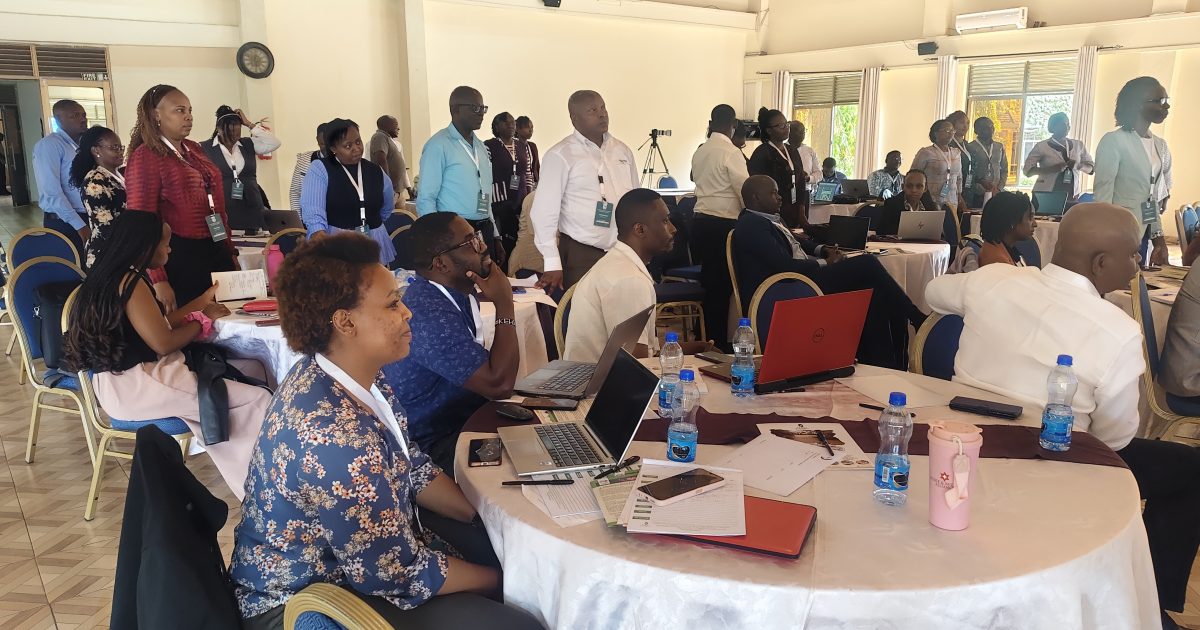
Patients suffering from multiple non-communicable diseases (NCDs) could soon receive treatment for different conditions under one roof in a new health model being piloted in Murang’a County. The five-year M-Care project will establish a one-stop clinic approach where patients with conditions such as diabetes, hypertension and other chronic illnesses will also be screened and managed for mental health conditions during the same visit.
The project is being implemented by the African Population and Health Research Center (APHRC) in partnership with the Ministry of Health and Murang’a County Government, with funding from the European Commission (EU).
Speaking during the launch of the project in Murang’a on Monday, Dr Gershim Asiki, a senior research scientist at APHRC and the Kenyan principal investigator, said the model seeks to address a major gap in the management of patients who often suffer from more than one condition but are treated through separate clinics.
He said the current system can result in some conditions going undetected, particularly mental health problems among patients attending chronic disease clinics.
“Most often people present for care with more than two conditions, either hypertension and depression or anxiety and diabetes, but when they are assessed, one condition is missed,” remarked Asiki.
Under the new model, health workers will assess patients for both physical and mental health conditions during the same visit, reducing the need for patients to move from one clinic to another.
He added cases of NCDs are on increase especially in Kenya, Ghana and South Africa thus the need for better ways to treat and manage the diseases.
“The M-Care project will focus on One-stop clinics, training of health workers, and use of electronic health records, improvement of diagnosis process and provision of quality medicine.” Explained the Doctor.
On his part, Prof Charles Agyemang of Amsterdam University Medical Centre said the one-stop approach would make it easier for patients with multiple conditions to access comprehensive care at a single facility.
“The aim is to have a one-stop shop at one health facility where they get all the care they need rather than moving between different clinics,” he said.
He said the model could particularly benefit patients in rural and low-income communities by reducing transport expenses and the time spent travelling to different health facilities.
The project will initially involve 100 health facilities in Murang’a, which will be randomly assigned to either an intervention or control group. The facilities will then be followed for 12 months to assess the effectiveness of the integrated care model.
Healthcare workers in participating facilities will receive training on integrated NCD and mental health care, while electronic medical records will be used to provide clinical decision support.
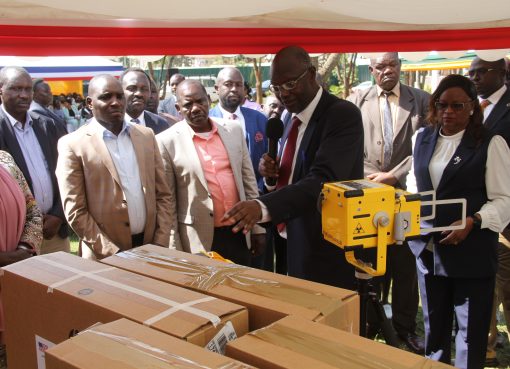
The project will also strengthen diagnostic capacity by providing equipment for monitoring blood pressure, blood sugar, height and weight, among other services.
Dr Mercy Karanja, head of the Division of Mental Health at the Ministry of Health, said integrating mental health screening into NCD services would help identify patients who might otherwise go untreated.
She said the one-stop model was in line with the Ministry’s efforts to bring mental healthcare closer to communities and improve the treatment of people living with chronic illnesses.
Dr James Mburu, Murang’a County Director for Health, said the county was ready to support the initiative as it sought to improve management of the growing burden of NCDs.
He said Murang’a had invested in health infrastructure, digital health systems, medicines and healthcare technologies, creating a favourable environment for the project.
Mburu said the county was keen to move away from treating diseases in isolation and instead adopt a more integrated approach that focuses on the overall wellbeing of patients.
The project targets adults aged 18 years and above and will also assess the readiness of health facilities to provide integrated screening and treatment.
The researchers hope that if the model proves effective, it can be expanded to other health facilities in Murang’a and eventually rolled out across Kenya and other African countries.
The APHRC is also implementing M-Care project in Ghana and Uganda.
by Bernard Munyao