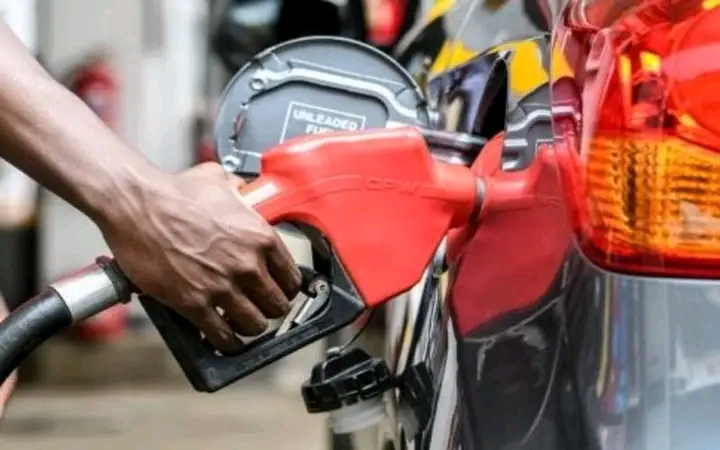
Residents in Nandi County have expressed outrage over the latest fuel price increment announced by the Energy and Petroleum Regulatory Authority, warning that the move will worsen the already high cost of living and push many families deeper into financial hardship.
Under the new prices released by the regulator, petrol rose by Sh16.6 to Sh 214. 2 per litre of petrol while diesel, which powers the majority of public service vehicles, trucks and farm machinery, increased sharply by Sh46.2 to Sh 242.9 per litre in Nairobi.
The upward adjustments have triggered anxiety among transport operators, farmers, traders and ordinary wananchi who say the increases will have a ripple effect on nearly every sector of the economy.
In several shopping centres across Songhor-Soba ward in Tinderet Sub-county, residents lamented that the government had previously assured Kenyans that mechanisms had been put in place to stabilize fuel prices and cushion consumers from abrupt increases.
Many now feel betrayed by the latest announcement, saying the promises have not translated into relief on the ground.
Matatu operators plying the Timboroa–Meteitei-Kopere route said the diesel increment would force them to review fares upward in order to remain in business.
According to several drivers and vehicle owners, fuel accounts for the biggest operational cost and the steep increase will make it difficult to maintain current charges.
“We are being pushed to the wall. Spare parts are expensive, insurance costs have gone up and now diesel has risen drastically. We may have no option but to increase fares,” said Gilbert Kiptoo, a matatu driver operating between Meteitei and Kopere.
Passengers, however, pleaded with transport operators to exercise restraint, saying many households are already struggling with high food prices, school fees and medical expenses.
Some residents feared that increased transport costs would eventually lead to higher prices of essential commodities transported from major towns to rural markets.
Small-scale traders at Maraba market noted that transporters had already begun hinting at increased charges for delivering goods such as maize flour, sugar, cooking oil and vegetables.
The traders warned that consumers in rural areas often bear the heaviest burden whenever fuel prices rise.
“Everything depends on fuel. Once diesel goes up, the prices of food and other commodities automatically rise because transportation becomes costly,” said Mary Jelagat, a cereal trader.
Farmers in Tinderet, an area known for maize, tea and dairy farming, also voiced concerns that the fuel hike would increase production costs at a time when many are already grappling with low earnings and unpredictable weather patterns.
They said the prices of farm inputs and machinery operations are likely to rise in the coming weeks.
Tea farmers in particular expressed fears that transport charges for delivering green leaf to factories could rise, reducing their already strained earnings.
Dairy farmers also warned that milk transportation costs would affect profits and potentially increase consumer prices.
Motorcycle riders popularly known as boda boda operators described the petrol increment as a major setback to their businesses.
Many said customers were already negotiating fares due to economic hardships, making it difficult to transfer the added fuel costs to passengers.
“We expected the government to keep its promise on stabilizing fuel prices because many young people depend on boda boda business for survival,” said Dennis Kitur, a rider at Songhor trading centre. “Now our profits will shrink further.”
The people have also proposed to the government to invest more in affordable public transport systems and alternative energy solutions, to reduce overreliance on petroleum products.
By Sammy Mwibanda