Nurses and midwives have called for increased investment in the profession, improved staffing levels and greater recognition of their contribution to healthcare delivery as the country marks International Nurses Week.
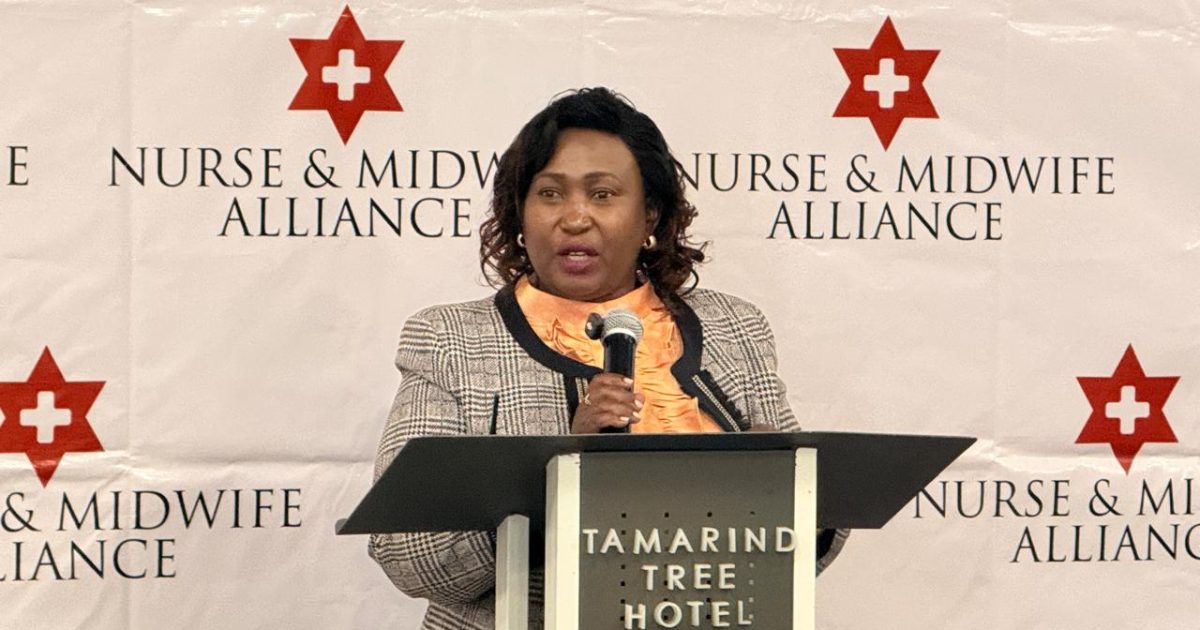
Speaking during a media roundtable ahead of the launch of the Nurse of the Year Awards (NOYA) in Nairobi, Director of Nursing Services and Head of Nursing and Midwifery Services at the Ministry of Health Dr. Judith Awinja said nurses remain the backbone of Kenya’s healthcare system and are central to patient care across the country.
Dr. Awinja said the profession should use the celebrations to showcase the role nurses play in healthcare delivery and national development.
“We need to celebrate our week, showcase who we are and let the public understand what nurses do and the role they play in healthcare,” she said.
She noted that nurses make up nearly 70 per cent of the healthcare workforce, adding that the health system would struggle to function without them.
Dr. Awinja also announced the launch of the Nurse of the Year Award initiative aimed at recognising nurses making exceptional contributions in healthcare service delivery.
She said the award process would be fully digitised to ensure transparency and accountability.
“The process will be purely online, and the selected winner will genuinely deserve the recognition,” she said.
Organisers said the award programme will begin at the county level to ensure nurses from all parts of the country have an equal opportunity to participate.
The initiative will recognise excellence in nursing leadership, clinical care, primary healthcare, nursing education, research and innovation, and entrepreneurship.
Kenya Progressive Nurses Association Chairman Michael Nyongesa said the nursing profession in Kenya had evolved significantly from certificate-level training to specialised degree and postgraduate qualifications.
Nyongesa noted that modern nursing practice is increasingly evidence-based and specialised, enabling nurses to provide quality healthcare services.
Despite the progress, he said the sector continues to face severe staffing shortages due to low absorption of trained nurses into the healthcare system.
According to Nyongesa, Kenya currently has about 11 nurses per 10,000 people, far below the recommended ratio of 25 nurses per 10,000 population.
“This means Kenya has not attained even half of the required nursing workforce, yet over 80 per cent of patients in hospitals interact directly with nurses,” he said.
He added that shortages are more severe in remote areas, while many health facilities continue relying on poorly paid casual nurses to bridge staffing gaps.
“A qualified nurse earning between Sh15,000 and Sh20,000 on casual terms is a reality in many facilities,” he said.
Nyongesa warned that understaffing has placed immense strain on nurses, affecting healthcare delivery and patient outcomes.
Nairobi Hospital Head of Nursing Services and Chairperson of the National Nurses Association of Kenya Margaret Muiyuro said nurses have continued to adapt to emerging healthcare demands through technology, innovation and evidence-based practice.
Muiyuro said nurses play a leading role in health promotion, disease prevention, maternal healthcare, rehabilitation and palliative care.
She cited the role nurses played during the COVID-19 pandemic through public health education and adoption of virtual systems for training and professional engagement.
“We saw nurses embracing innovation, from virtual training to digital healthcare systems, to ensure continuity of care and improve patient outcomes,” she said.
Muiyuro noted that digitisation has improved patient monitoring, documentation and patient safety in hospitals.
Vice President of the Midwives Association of Kenya and Kenyatta University lecturer Eunice Atsali underscored the importance of mentorship and leadership development within the profession.
Atsali said mentorship plays a key role in shaping competent healthcare professionals and preparing future leaders in nursing and midwifery.
“You cannot become a good nurse or midwife without proper mentorship and guidance from experienced professionals,” she said.
She also called for stronger institutional support to nurture emerging healthcare leaders.
Registered Nurses Connect representative Wairima Maina called for improved public visibility and appreciation of nurses, saying negative perceptions were discouraging young people from joining or remaining in the profession.
Maina said nurses continue to make major contributions in cancer screening, maternal healthcare and end-of-life care despite difficult working conditions.
She warned that poor nurse-to-patient ratios were affecting service delivery and contributing to burnout among healthcare workers.
“When one nurse is attending to 30 patients, quality of care is affected because the nurse is overstretched,” she said.
Maina urged policymakers to address staffing shortages through increased employment and improved working conditions, while also calling for balanced media coverage highlighting the positive impact of nurses in society.
The stakeholders said strengthening nursing leadership, expanding employment opportunities and recognising excellence in service would be critical in improving healthcare delivery and motivating healthcare workers across the country.
By Anita Kariuki