In the heart of Nyalenda informal settlement in Kisumu, a community-led initiative is transforming waste management while creating income opportunities for residents through an innovative buy-back centre that links waste collectors directly to recycling markets.
Operated by the Amazing Grace Action Community-Based Organisation (CBO), the buy-back centre has become a model of circular economy practices, turning discarded materials into valuable resources while contributing to cleaner neighbourhoods and environmental conservation.
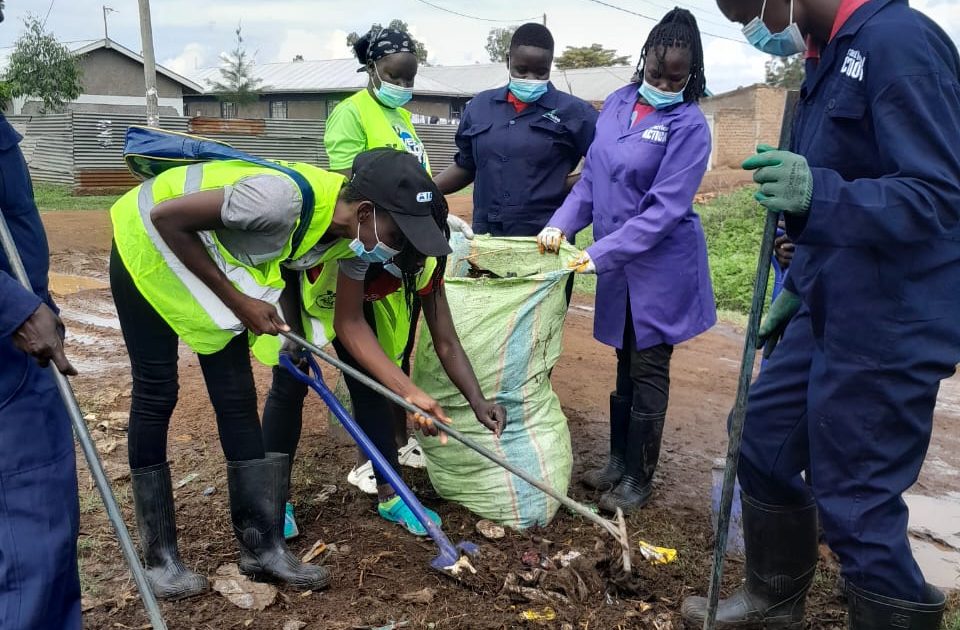
At the centre, residents and waste pickers bring recyclable materials including plastic bottles, cartons, scrap metal, and hard plastics, which are sorted, weighed and purchased for cash. The collected materials are later sold to recycling companies and aggregators, creating a sustainable waste recovery system within the informal settlement.
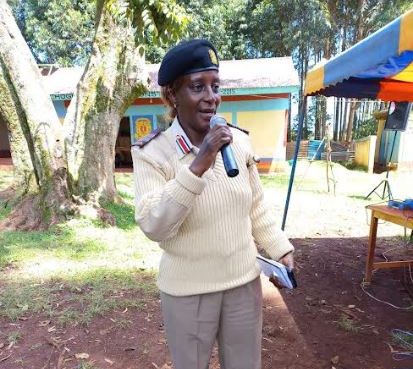
“We run a community buy-back centre working directly with waste pickers and community members,” said Operations Lead Renise Olwal. “When they bring recyclables, we sort them into categories such as PET plastic, hard plastic, cartons and metals. After weighing, we pay them cash immediately.”
Different materials attract varying prices depending on their value within the recycling chain. PET plastic fetches Sh7 per kilogramme, while hard plastics earn up to Sh30 per kilogramme. Metals command higher prices, with copper selling at up to Sh800 per kilogramme, brass at Sh450, aluminium at Sh250, and lighter metals ranging between Sh47 and Sh55 per kilogramme. Cartons are purchased at between Sh7 and Sh10 per kilogramme depending on quality.
Beyond recycling, the centre provides waste collection services to approximately 150 households within Nyalenda at a subscription fee of Sh40 per week. The service ensures proper waste handling while guaranteeing a steady supply of recyclable materials to the centre.
On average, the facility processes about 100 kilogrammes of recyclable waste, with plastics accounting for the largest proportion. Organic waste collected from households constitutes about 20 percent of the total waste stream.
To manage biodegradable waste, the organisation has adopted Black Soldier Fly (BSF) technology. Through this innovation, food waste is fed to larvae that break it down within 10 to 14 days. The larvae are later processed into protein-rich animal feed for poultry, fish and pigs, while the residue is converted into organic fertiliser for farming.
The technology has significantly reduced the amount of waste destined for dumpsites while generating useful products that support local agriculture and livestock production.
Despite its success, the initiative continues to face several operational challenges. Limited storage space remains a major concern due to the growing volume of recyclables received at the centre.
“Storage is a major challenge because we have a small buy-back centre,” said Olwal, adding “We do not shred recyclables, so they occupy a lot of space. Insecurity within the informal settlement is also a concern.”
The organisation also relies heavily on handcart-based waste collection, which is labour-intensive and less efficient compared to motorised transport systems.
“We are using handcarts, which requires a lot of energy,” she added. “We also struggle with personal protective equipment because it wears out quickly and is not always sufficient.”
Currently, about 20 waste pickers work with the centre by supplying recyclables and assisting in household waste collection services. While they are not permanently employed, they earn income from the materials they collect and through shared proceeds from household subscription fees.
In addition to waste management, the organisation runs Youth Savings and Loan Associations (YSLAs) and Village Savings and Loan Associations (VSLAs) to promote financial literacy and encourage a savings culture among residents.
It also conducts Sexual and Reproductive Health and Rights programmes through its Teen Holiday Engagement Forum, which educates young people on menstrual hygiene, gender-based violence prevention and general health issues during school holidays.
The impact of the initiative is increasingly visible across the settlement. Residents are gradually embracing waste segregation, while cleaner streets and reduced illegal dumping have improved environmental conditions.
“Through our buy-back centre and sensitisation during clean-up drives, we have reduced waste that would otherwise end up in open spaces, drainage systems and water bodies,” Olwal noted.
The organisation has partnered with the Kisumu County Government, which supports the initiative through awareness campaigns, capacity building and waste disposal services. Since the centre lacks transport to move waste to the Kasese disposal site in Muhoroni Sub-County, the county allows it to use designated skips for waste disposal.
Despite logistical and financial challenges, the Nyalenda buy-back centre continues to demonstrate how community-led waste management solutions can generate livelihoods, promote environmental sustainability and improve living conditions in informal settlements.
Olwal also noted that the initiative is helping break gender stereotypes in waste management, encouraging more women to participate in a sector traditionally viewed as male-dominated.
“Anyone can do waste management regardless of gender,” she said. “The challenge is changing community perceptions, but we are making progress.”
by Dorothy Pamella