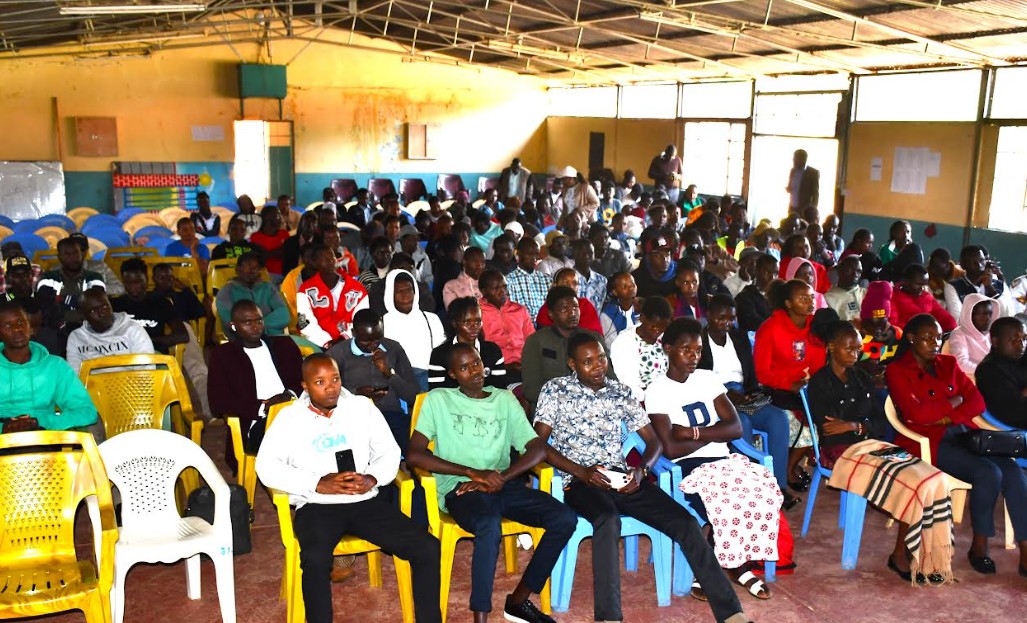
Kericho County has steadily expanded youth empowerment initiatives under the NYOTA programme, with 1,959 young people receiving the first tranche of business grants, after completing mandatory entrepreneurship training, boosting self-employment.
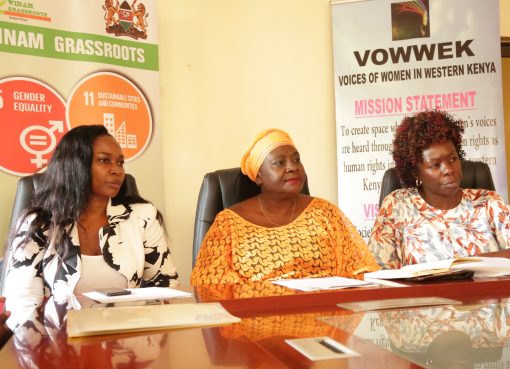
Speaking during the National Government Development County Implementation Coordination and Management Committee (NGD-CICMC) meeting, held at the County Commissioner’s Boardroom, Kericho County, Senior Enterprise Development Officer, Michelle Aburilli, revealed that the County had targeted 84 youths per ward, translating to a total of 2,520 beneficiaries across the 30 wards in Kericho County.
However, out of the targeted number, she said only 1,959 youths met the training threshold and qualified for the initial disbursement, indicating strong but not full participation.
Following the disbursement, Aburilli said the programme moved to the mentorship phase, where beneficiaries are currently undergoing one-on-one mentorship sessions, aimed at strengthening their enterprises.
She added that the mentorship exercise has achieved 100 percent completion, with mentors visiting individual businesses to provide tailored guidance and support.
“Data from spot checks conducted across 25 wards showed that 70 percent of beneficiaries are first-time entrepreneurs who started businesses after receiving the grant, while 20 percent have less than one year of experience.” added Aburilli
A further 8 percent of the beneficiaries have between one and three years of business experience, while only 2 percent have been in business for more than three years, highlighting the programme’s focus on nurturing new enterprises.
In terms of gender distribution, Aburilli said the programme has achieved near parity, with 50.6 percent female beneficiaries and 49.4 percent male beneficiaries.
Aburilli noted that the first group of beneficiaries underwent a four-day classroom training in entrepreneurship conducted from November 14th to 17th, 2025, as part of the programme’s business development services.
She explained that participants were required to meet a minimum attendance threshold of 75 percent, meaning they had to attend at least three out of the four training days to qualify for the next phase of the project.
“The youths who met the attendance requirement proceeded to receive the first tranche of the grant, which is part of a two-phase disbursement system designed to ensure accountability,” she said.
She mentioned the two-tranche disbursement model acts as a safeguard, ensuring that beneficiaries who misuse the first grant on non-business activities are disqualified from receiving additional funding.
She noted that agriculture, livestock, forestry and fisheries dominate the enterprises at 72 percent, followed by wholesale and retail at 24 percent, while fashion, design, beauty and cosmetics each account for 2 percent.
Despite the success, Aburilli outlined key challenges facing beneficiaries, including the need for stronger market linkages, continuous mentorship, compliance with regulatory requirements, and high business licensing costs.
She said some youths have yet to start businesses due to insufficient capital and the high cost of doing business, urging for possible waivers or support from county authorities.
As a way forward, Aburilli said the project has incorporated linkage sessions in upcoming training phases and will engage stakeholders, including county departments and funding agencies, to expand opportunities for beneficiaries.
She emphasized the importance of continuous mentorship and adherence to regulatory frameworks to ensure sustainability and growth of the enterprises.
Kericho County Commissioner, Jeremiah Mwai Gicheru, who chaired the meeting, commended the NYOTA team for the commendable progress achieved in empowering youth across the county, noting that the programme is steadily transforming livelihoods and promoting entrepreneurship at the grassroots.
Gicheru said the gains realized so far demonstrate the effectiveness of well-coordinated government initiatives, and urged all stakeholders to sustain the momentum to ensure more young people benefit from the programme and build sustainable enterprises.
He further called for proper documentation of success stories among beneficiaries, saying this would not only showcase the programme’s impact but also inspire more youths to embrace entrepreneurship as a viable path to economic empowerment.
By Dominic Cheres and Kibe Mburu