Small-scale meat traders in Homa Bay County are concerned over the rising cost of cows, which has subsequently reduced profits, forcing them to increase meat prices for consumers.
The traders said the increasing livestock prices have made it difficult for small business owners to sustain their butcheries, despite the high demand for meat in local markets.
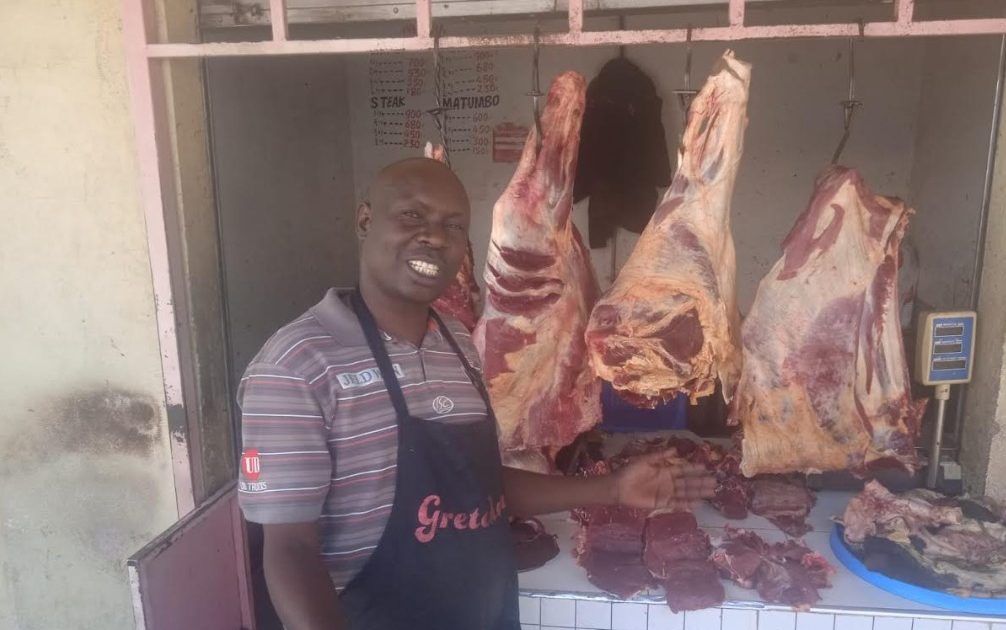
Wycliffe Omondi, a local meat trader, explained that buying cows from suppliers has become more expensive in recent months, forcing traders to increase the retail price of meat in order to cover operational expenses.
Omondi said one kilogram of meat currently sells at about Sh700, up from Sh600 recently, attributing the price hike to the high cost of livestock, transportation, slaughter fees, and other related costs.
He noted that many small-scale traders are now earning lower profits because the amount spent on purchasing cows is too high compared to the returns made after selling the meat.
“The cost of buying cows has gone up significantly, making it difficult for traders to make enough profit. We are now struggling to keep our businesses afloat because of this,” Omondi lamented.
The situation, he added, worsens during periods of low sales when customers reduce meat consumption due to tough economic conditions.
He said many families prioritize other essential expenses such as school fees, leaving traders with reduced sales and unsold meat.
On his part, Fred Juma expressed similar feelings, saying the price of meat has remained high because traders spend large amounts of money acquiring cows from suppliers in the Rodi Kopany area.
Juma explained that despite paying annual taxes of about Sh5,000, traders still face the challenge of balancing business expenses while trying to maintain affordable prices for customers.
He further noted that meat preservation has become important because low sales sometimes cause meat to stay longer before being sold. To avoid losses, he preserves meat through refrigeration and sun-drying.
Another meat vendor, Joseph Onyango Ochieng’, who has operated a butchery business for the past three years, described the cost of buying cows as one of the biggest obstacles facing traders in the meat business.
According to him, the meat business requires a large amount of starting capital because traders must first purchase cows before slaughtering and selling the meat.
“The business requires heavy investment, yet the profits are not always guaranteed,” Ochieng’ said.
Apart from the high livestock prices, Ochieng’ highlighted transportation delays and stiff competition among butcheries as additional challenges affecting the sector.
The traders are now calling on the government and other stakeholders to intervene by helping small-scale meat sellers access affordable livestock and improved storage facilities to reduce losses and sustain their businesses.
By Barasa Irene and Sitna Omar