Trans Nzoia County government has kicked off a process which will lead to approval and implementation of a policy paper in the agricultural sector in an effort to enhance productivity.
The Approval and implementation of Trans Nzoia County Agro-Ecology Policy Paper 2026 expected to enhance sustainable farming entered a critical stage following consultations with stakeholders and later presented to the County Executive.
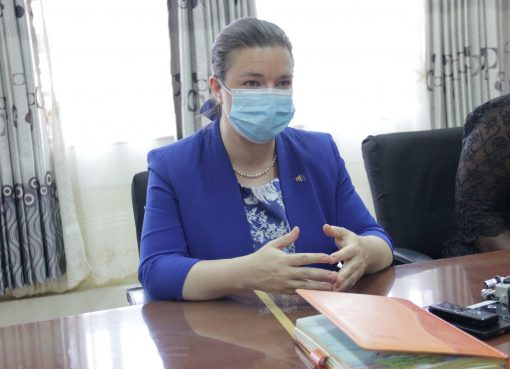
Leading the consultations was County Secretary, Truphosa Amere, who pointed-out land degradation and effects of climate change as main challenges affecting agricultural sector.
“These factors have reduced productivity, farmer incomes and food security. The Agro-Ecology Policy 2026, gives us a chance to promote safe food production by addressing standards, reducing costs, creating green jobs and building resilience against climate change,” she noted.
She explained that agro-ecology as a holistic approach combines indigenous knowledge, scientific innovation and local practices relevant to promotion of soil regeneration, biodiversity conservation and integration of crops and livestock.
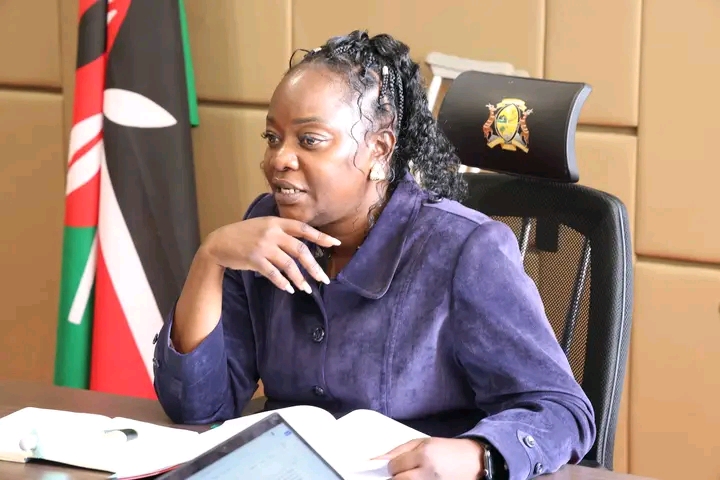
Present was County Executive Committee Member for Agriculture, Phanice Khatundi, who regretted that unsustainable practices have led to loss of indigenous seeds, traditional livestock breeds and beneficial organisms.
“Heavy use of chemicals, monoculture farming and habitat destruction have weakened our resilience to pests, diseases and climate variability,” she pointed out.
Director of Agriculture, Simon Mwombe, echoed her sentiments, adding that overreliance on maize by most households with limited vegetables, fruits and animal products has led to poor dietary diversity, resulting to malnutrition and other health risks.
Mwombe added that poor market systems and lack of modern storage facilities has resulted to almost 40 per cent post-harvest losses, thus making most farmers fetch less.
He explained that the Agro-Ecology Policy Paper 2026, will among other benefits help accelerate adoption of agro-ecological practices, strengthen biodiversity and promote farmer-managed seed systems.
“We want to reduce over-reliance on chemicals, support community seed banks and promote nutrition-sensitive farming. With a proper policy framework we will go a long way to cushion farmers and enable them fetch more from their produce,” he said.
Others present were Executive Committee Members Sam Ojwang (Public Service), Eliud Tormoi (Gender Sports, Culture and Tourism), Pepela Wanjala (Finance), Janerose Mutama (Education), Patrick Gacheru (Trade and Industry), Robert Wamalwa (Water, Environment, Natural Resources and Climate Change) and Gideon Barongo ( Public works) among others.
by Isaiah Nayika