Women in Suba Sub-County are set to benefit from a free three-month tailoring skills training programme aimed at equipping them with practical vocational skills to boost household incomes and promote their economic independence.
The initiative, spearheaded by a non-profit organization dubbed Lilian Ngala Foundation, will offer participants free tailoring training and certification, enabling them to pursue self-employment and sustainable livelihoods.
Speaking at Kibuye Primary School, Ms. Ngala said empowering women through practical skills was a sustainable way of reducing poverty and improving the economic well-being of families.
“We believe in empowering women in practical ways. Leadership is not about the title one holds, but about the number of lives one transforms,” she said.
The programme will culminate in the award of certificates to successful trainees, after they attain skills and qualifications needed to establish tailoring businesses or secure employment in the garment industry.
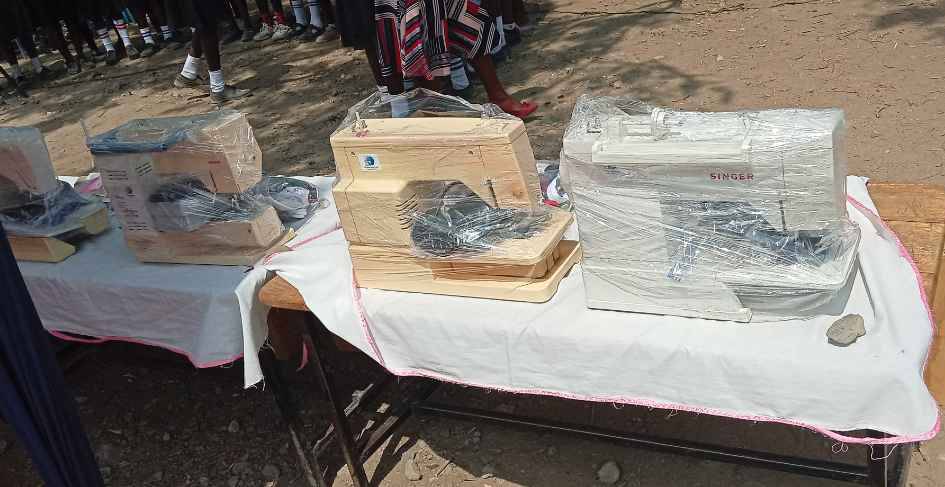
To support the initiative, the foundation donated 40 sewing machines to train the beneficiaries.
Ngala called on leaders to support empowerment programmes, noting that while women should be economically empowered, men should also be included in development initiatives. “Giving people fish is not the solution. They need to learn how to fish so that they can sustain themselves,” she said, emphasizing the importance of equipping people with practical skills rather than offering temporary assistance.
She said the training will initially be conducted at Kibuye Primary School as the foundation works towards establishing a permanent vocational training centre.
A total of 45 women were enrolled on the first day of registration, a turnout the patron described as encouraging and a reflection of the community’s growing interest in vocational skills development.
The programme currently has three tailoring instructors, with plans to recruit more trainers as enrolment increases to ensure quality training.
Residents welcomed the initiative, saying it would provide women with an alternative and more reliable source of income.
A beneficiary Ms. Akinyi Akito, thanked the Lilian Ngala Foundation for donating sewing machines and introducing the programme, saying the skills acquired would enable many women to support their families through self-employment.
Another trainee, Lucy Atieno Ouma, said she had previously relied on vending omena from Lake Victoria but joined the programme in search of a more stable source of income.
She noted that many women in the area depend on the omena trade, but declining fish catches have significantly reduced earnings, making alternative livelihoods increasingly necessary.
Atieno expressed optimism that the tailoring programme would improve household incomes and create sustainable economic opportunities for women in the community.
By Lucy Jotham and Sitna Omar