Approximately 3.1 million Kenyans are living with Chronic Kidney Disease (CKD), a growing public health concern largely driven by the rising prevalence of non-communicable diseases (NCDs) such as hypertension and diabetes, the Ministry of Health has said.
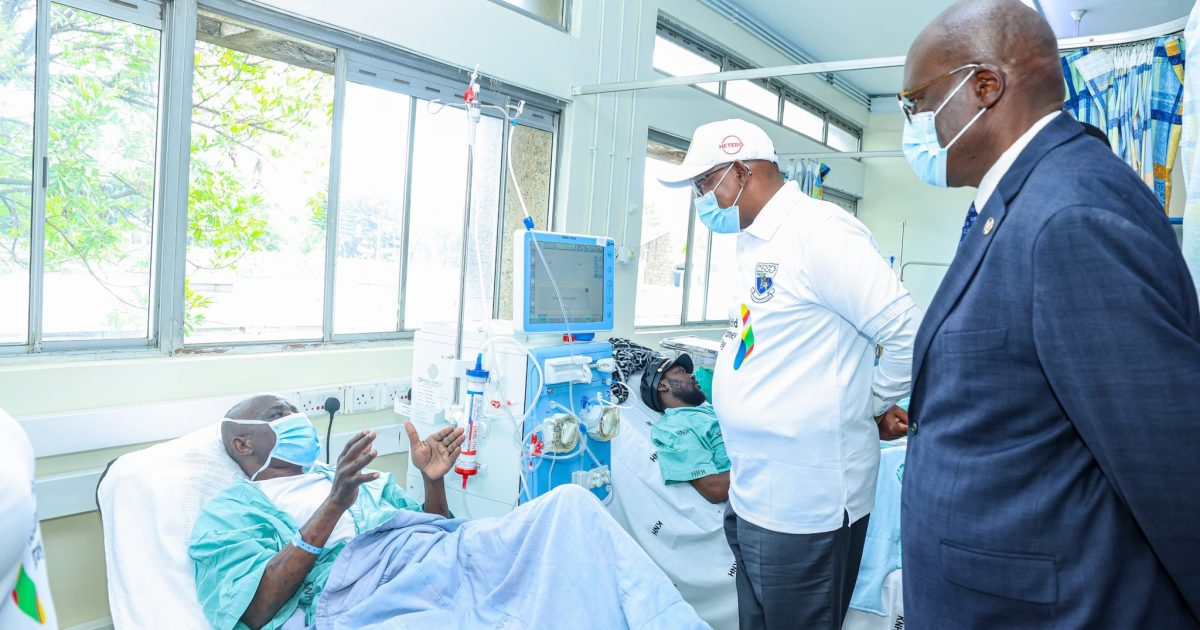
Speaking during the national World Kidney Day commemoration at Kenyatta National Hospital, Health Cabinet Secretary Aden Duale revealed that NCDs currently account for about 43 percent of all deaths in Kenya, underscoring the need to strengthen prevention, early diagnosis and management of kidney disease.
The CS noted that the Government is prioritising preventive and promotive health services, with greater emphasis on routine screening for blood pressure and blood glucose at community and primary healthcare levels to enable early detection and reduce complications associated with kidney disease.
In addition, he observed that access to specialised kidney care is expanding under the Social Health Authority (SHA), which has processed over Sh104 billion in healthcare claims, supporting essential services including dialysis, nephrectomy and kidney transplantation.
“The Ministry is also strengthening partnerships with accredited healthcare providers to widen access to transplant services, with patients now able to receive kidney transplantation at Aga Khan University Hospital Nairobi under SHA-approved benefit packages,” added Duale.
To strengthen governance and ethical oversight in organ donation and transplantation, CS Duale announced that the Ministry has established an independent review committee following concerns raised last year and has initiated the development of a National Transplant Registry to enhance transparency and accountability within the transplant programme.
Equally, the CS disclosed that further investments are being made in specialised training and infrastructure through initiatives such as the East Africa Centre of Excellence in Urology and Nephrology, while additional renal units are being rolled out across counties to improve access to kidney care services.
In addition, he projected that the forthcoming Kenya National Guidelines for Kidney Diseases 2026 will help standardise quality care across the country, supported by integrated health data systems under the Government’s Digital Superhighway initiative.
Duale also encouraged Kenyans to adopt healthy lifestyles including regular medical check-ups, physical activity, adequate hydration and reduced salt consumption to help prevent kidney disease and other non-communicable illnesses.
Present at the event were Director-General for Health Dr Patrick Amoth, Kenyatta National Hospital CEO Dr Richard Lesiyampe among others.
By Michael Omondi