The government has made foundational investments in primary healthcare, health products and digital systems to strengthen service delivery and expand access to quality care.
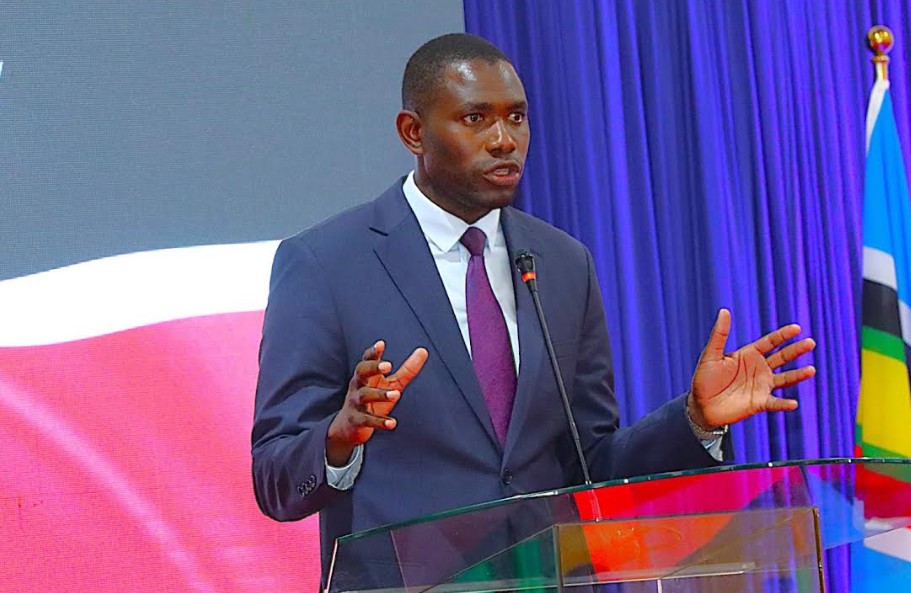
Medical Services Principal Secretary (PS), Dr Ouma Oluga, noted that Kenya’s experience during the COVID-19 pandemic exposed the risks associated with overreliance on imported vaccines, saying delays in accessing vaccines during the global crisis underscored the urgent need to build local manufacturing capacity.
Speaking Wednesday during a tour of the Kenya BioVax Institute facility in Embakasi by the French Minister for International Development, Ms Éléonore Caroit, Dr. Oluga highlighted Kenya’s commitment to strengthening local vaccine and biotherapeutics manufacturing to enhance health security, reduce reliance on imports, and improve access to essential health products across the region.
Having chaired Nairobi’s COVID-19 task force during the pandemic, the PS recalled the pressure faced by health authorities, amid rising infections and delayed vaccine supplies, describing the BioVax initiative as a critical investment in future pandemic preparedness and public health resilience.

Dr. Oluga said reliable access to vaccines and essential health products remains central to safeguarding populations against emerging health threats, adding that the Kenya BioVax institute is a strategic national investment in pandemic preparedness, routine immunisation security, and regional supply resilience.
He noted that significant progress has been made at the facility, including infrastructure development, systems establishment and technical preparations required for safe and quality-assured vaccine production.
The PS said that the next phase will focus on installation and validation of fill-and-finish equipment, strengthening quality control systems, building specialised workforce capacity, and preparing the facility for compliant vaccine manufacturing.
Dr. Oluga emphasized that the government’s immediate priority is to support BioVax’s transition from facility readiness to actual production and eventually full end-to-end manufacturing through partnerships in technology transfer, financing, skills development, regulatory strengthening, and market access.
He also highlighted ongoing government investments in competent and compassionate health workers and the use of digital systems to strengthen data management, planning, and policy implementation across the health sector.
The PS called for increased collaboration and investment from development partners, including the French Government and the World Bank, noting that stronger partnerships will accelerate Kenya’s ambition of becoming a regional hub for vaccine and pharmaceutical manufacturing.
The visit was attended by World Bank Vice President for Development Finance Mr. Akihiko Nishio; French Ambassador for Global Health Ms Anne-Claire Amprou; Kenya BioVax Board Chair Dr. Charles Githua Githinji; Kenya BioVax Institute CEO Dr. Wesley Ronoh; members of the French delegation; development partners; senior Ministry officials and staff of the Kenya BioVax Institute.
By Joseph Ng’ang’a