Vihiga County has launched a Non-Communicable Diseases (NCD) drugs programme worth Sh 7.5 million aimed at strengthening healthcare delivery across the county.
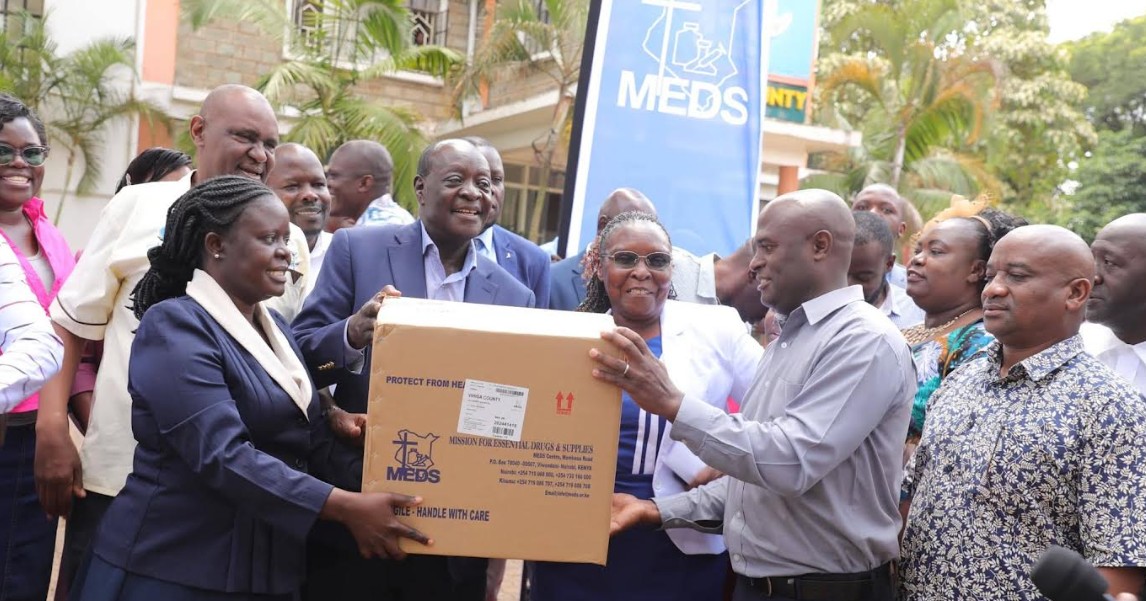
The initiative, unveiled on May 18 at the county headquarters, will benefit 25 health facilities.
The NCD commodities were flagged off for distribution to various health facilities, including Kimogoi Dispensary, with the goal of improving access to essential medicines and services at the grassroots level.
The programme is funded through the Ward Development kitty following a joint agreement between the County Executive and the County Assembly, with each ward contributing Sh 300,000. The initiative is expected to enhance the management and treatment of NCDs across Vihiga County.
The supplies are set to support NCD clinics in Hamisi Sub-county and other facilities by ensuring residents access essential medications promptly and closer to their communities.
The programme also seeks to curb the rising burden of NCDs through strengthened primary healthcare systems.
Speaking during the launch, Vihiga Governor Dr Wilber Khasilwa Ottichillo said the county has made significant strides in improving healthcare over the past year through the upgrading of facilities and enhanced service delivery.
On NCDs, the governor underscored the importance of public awareness, describing them as “silent killer” diseases.
He urged residents to adopt healthy lifestyles, including regular physical exercise such as walking, to prevent conditions like diabetes, hypertension, and cancer.
He added that the county government will continue expanding NCD drug programmes and awareness campaigns to ensure more residents access treatment and preventive information.
The governor also commended healthcare workers, county officials, partners, and residents for their support in advancing the county’s healthcare agenda.
The event brought together key healthcare partners, including the Ministry of Health, UNICEF Kenya, Mission for Essential Drugs and Supplies (MEDS), and the NCD Alliance Kenya, all working collaboratively to improve healthcare services.
Speaking at a community health event, NCD Alliance Kenya Executive Director Dr Catherine Karekezi praised the county government for what she termed a major milestone in improving care for patients living with non-communicable diseases.
She noted that access to treatment, medicines, and diagnostic services for NCDs have remained a significant challenge in many counties, adding that the new initiative would help bridge existing gaps in care.
Dr Karekezi said the establishment of Centres of Excellence at the ward level would bring diagnosis, treatment, and management of NCDs closer to communities, thereby improving accessibility and supporting the realisation of universal health coverage.
She further lauded the County Government of Vihiga and the County Assembly for committing resources to improve the lives of people affected by NCDs.
The health expert also recognised the role of the Vihiga County NCD Advocacy Chapter, comprising caregivers and individuals living with NCDs, for championing the needs of affected communities through advocacy and public participation.
She revealed that the group had presented key concerns to county leadership, leading to the implementation of the new healthcare interventions.
Dr Karekezi further acknowledged the county’s support in implementing the PEMPlus programme, a global initiative targeting severe non-communicable diseases. She noted that Vihiga is among only three counties in Kenya implementing the programme.
The programme supports patients living with conditions such as sickle cell disease, type 1 diabetes, rheumatic and congenital heart diseases, and severe asthma, as well as complications arising from hypertension and diabetes, including stroke, heart attacks, and chronic kidney disease.
She urged the County Department of Health to continue improving health facilities to ensure a consistent supply of medicines and diagnostic services, noting that NCDs account for two out of every five deaths in Vihiga.
Dr. Karekezi also called for continuous training of healthcare workers, particularly mid-level providers, to strengthen diagnosis and treatment at the community level.
Additionally, she emphasized the importance of supporting community health promoters, describing them as key in identifying, referring, and supporting patients living with NCDs.
By Anna Achieng and Henry Ananda