The County Government of Nakuru is prioritizing eye care within its health care system in a move aimed at ensuring that access to clear vision becomes a basic service rather than a privilege.
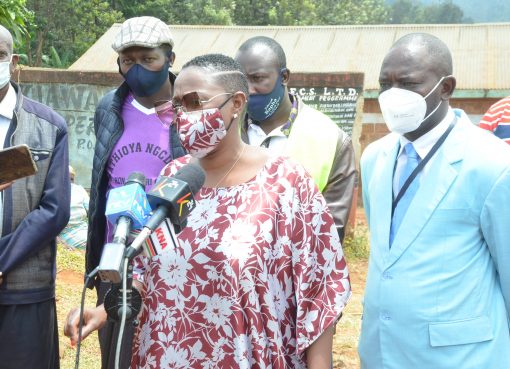
County Director for Medical Services Dr Daniel Wainaina said that eye health was not just a medical issue but central to education outcomes, work productivity, road safety, and the country’s economic resilience and emphasized the importance of integrating eye health into the broader health system to achieve universal health coverage.
To achieve universal health coverage, the Director explained that eye health should be fully integrated into the health system, ensuring equitable access for all, especially the most vulnerable populations. “Eye health plays a very critical role in Kenya’s socioeconomic development,” Dr Wainaina added.
Speaking during deliberations with a delegation from the Eye & U Kenya team towards strengthening ophthalmic care services in the 11 Sub-Counties, the Director indicated that low access to eye care services reflected a major gap in Kenya’s health system that required urgent and coordinated intervention.
He said the objection of their partnership with Eye & U Kenya was to enhance access to specialized eye care services, particularly in county health facilities that currently lack adequate eye treatment capabilities.
“The collaboration aims to ensure residents receive quality ophthalmic care at subsidised costs,” Wainaina added.
He pointed out that through the partnership, Governor Susan Kihika’s administration will establish and strengthen facility-based eye care services while also rolling out periodic medical outreach eye camps across various sub-counties.
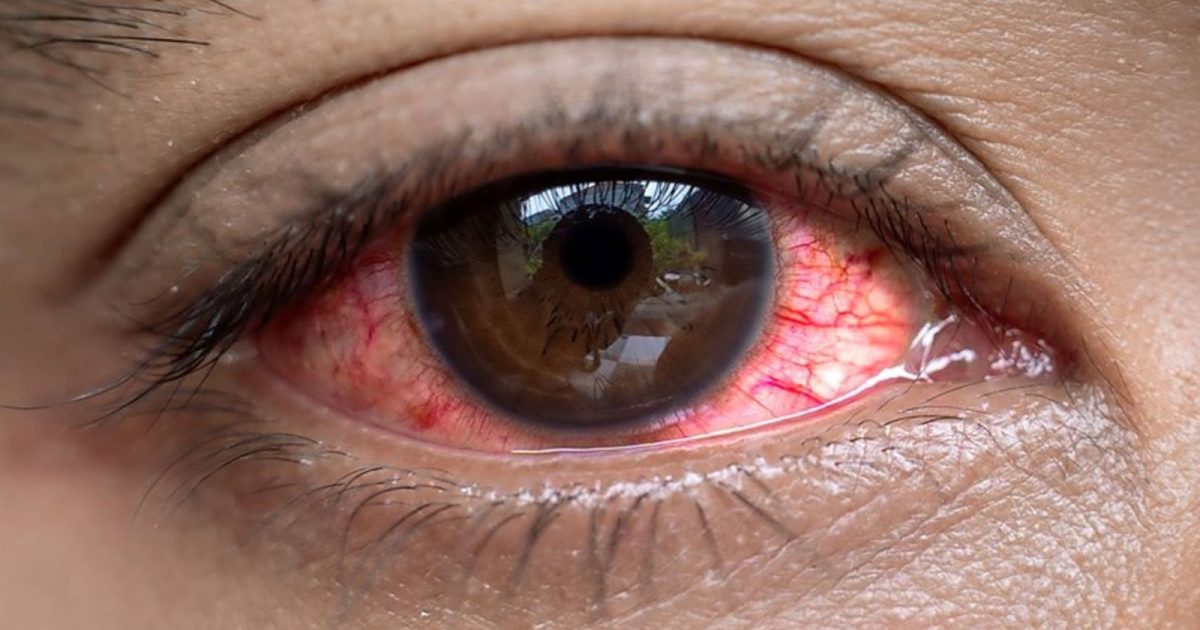
The initiative, the medic elaborated, will further support mass screening and treatment of eye conditions such as cataracts, glaucoma, diabetic retinopathy, corneal dystrophies, pterygium, and refractive errors, especially in remote and underserved areas.
“Ophthalmic care is one of the critical health services that has not received the attention it deserves over the years. However, we remain committed to strengthening eye care services as part of the broader agenda to improve healthcare outcomes across the county,” the Director assured.
He also assured that as a leader in healthcare in the region, the County will continue investing in eye health to meet global targets and protect the sight of the area community members.
According to official statistics, only 6.7 per cent of people who need eyesight correction can access care.
Ministry of Health records reveal that Kenya’s current effective refractive error coverage stands at approximately 6.7 per cent. This means that millions of Kenyans who need simple vision correction, something as basic as a pair of spectacles, do not have access to it.
The statistic underscores the scale of the problem, with health experts warning that uncorrected refractive error is one of the leading causes of visual impairment in Kenya.
Despite being easily treatable, the condition continues to limit opportunities for millions across the country.
Dr Wainaina emphasized that the impact of poor vision extends beyond health, affecting education, economic productivity, and public safety.
“Behind this statistic is a child failing in school simply because they cannot see clearly, a worker whose productivity is limited not by lack of skill but by poor vision, and even road traffic accidents that could have been prevented,” he noted.
The Director said that health workers across the devolved unit were also being urged to champion accessible and quality eye care services, especially at the community level, where the need is greatest.
Experts have described poor vision in Kenya as a “silent public health crisis”, noting that its effects are often overlooked despite their significant impact on individuals and the economy.
In addition, poor eyesight has been linked to increased risk of accidents, including on the roads, posing a broader public safety concern.
According to the 2026 Nakuru Eye Disease Cohort Study, the most prevalent eye conditions in the region are vision impairment and blindness among the population, including cataracts, uncorrected refractive errors, age-related macular degeneration (AMD), and conjunctivitis/allergies.
By Esther Mwangi